Choosing the Best Fiber for Gut Health


Because of carbon’s ability to form diverse and flexible bonds with other things, it is considered the building block for all organic, living organisms on earth. Carbohydrates are hydrated carbons, or rather, carbons that are hydrated, hence the term, ‘carbo’-‘hydrates’. Carbohydrates could have easily been also called, “carbo-oxy-hydrates”, since they consist of carbon, hydrogen and oxygen. Carbohydrates are used for energy and to store energy, both for plants, animals and other living organisms. These carbohydrates consist both of simple and complex sugars and are divided into: simple sugar, starch and fiber. In this article, I will be discussing the fiber constituent of carbo-hydrates, the best forms, specifically that of soluble fiber. As an added bonus, I’ll also be discussing resistant starch, and the beneficial short chain fatty acids that can also be derived from them.

Carbohydrates include both fiber and starch. Fiber is divided into soluble and insoluble. Soluble fiber dissolves in water and may form a gel. Insoluble fiber does not dissolve in water. Insoluble fiber is not recommended for regular use, since it is harsh on the digestive system and does not feed the probiotics soluble fiber and resistant starch are known for doing. Insoluble fiber is therefore for temporary use only, for severe constipation. 

In simple terms, the best fiber for gut health, is soluble fiber! This is beneficial for maintaining gut mobility, keeping the microbiome healthy and sufficient, blood sugar balance, cholesterol lowering, the removal of toxins, weight management and cancer prevention.


Soluble Fiber

Soluble fiber might help you to move your bowel more efficiently, but that’s probably not its main job. Its main job is to provide nourishment and fuel for your gastrointestinal microbiome, and to manage blood sugar levels.  

There are many forms of soluble fiber. Some are frankly, better than others. If psyllium husk, Metamucil, Citrucel, and inulin come to mind when you think about soluble fiber, keep in mind there may be safer options. Keeping it short and simple, think the best forms of soluble fibers might be pectins, acacia gum and beta-glucan.

Pectins: Pectins are found in fruits like apples and citrus peel, including the “modified”, Modified Citrus Pectin (MCP)

Modified Citrus Pectin is an altered form of pectin where large pectin molecules are broken down into smaller, low-molecular-weight fragments. This modification makes it water-soluble and bioavailable, creating a higher absorption rate within the body, and for use as a detoxification agent by binding to bile acids and heavy metals.

Acacia (Senegal) gum: Also known as gum arabic, this can be found from the sap of the Acacia senegal tree and is sold as a powder; shown to be particularly beneficial for constipation patients with IBS.

Beta-glucans: A type of polysaccharide found in grains, particularly oats and barley. The “best” form of beta-glucan depends on the health goal, with yeast and mushroom-derived beta-glucans being superior for immune support, while oat and barley-derived beta-glucans are most effective for lowering cholesterol and blood sugar. Yeast and chaga beta-glucans, for instance, have shown stronger immune-modulating effects in studies compared to grain-derived versions.


Resistant Starch 

Some types of starches are resistant to digestion, hence the term resistant starch. Resistant starch acts like insoluble fiber in the stomach and small intestine. But don’t let that discourage you. In the large intestine, it acts like soluble fiber — fermented by gut bacteria as a food source. This fermentation process produces beneficial short-chain fatty acids (SCFAs) — particularly butyrate — that promote gut health and other physiological benefits. Resistant starch is also known to produce even more beneficial butyric acid than regular soluble fiber; and by specifically bypassing other cells to travel to and seek out colon cells, it offers unique benefits there, like reduced inflammation, and potential protection against colon cancer. 

Perhaps the best sources of resistant starches are from green bananas and green plantain. 


Food-source fiber

Perhaps the best sources of food-derived fibers are simply from beans, specifically adzuki beans and black beans. These beans should be soaked for about 12 hours, then thoroughly rinsed, before boiling. Do not expect that these food-derived fibers will resolve constipation!


Daily Recommendation 

The current RDI for daily fiber intake for male and female are about 30 and 25 grams, respectively. I find this an impossible number to achieve. Most food-source fiber is only 2 or 3 grams per serving, such as carrots. Furthermore, soluble vs insoluble fiber was not distinguished in the RDI data. 

Instead of 30 grams of fiber to create peristalsis (bowel movement), I think it would be more practical to focus on increasing vitamin B1 intake, which actually helps create peristalsis.  And I may prove it. The same things often mentioned for increasing fiber, are the same things needed to increase B1: [black] beans, green peas, oats, [sesame] seeds, [sunflower] seeds , etc.


What to do!

If you are confused about which is the best fiber to take for your particularly situation, think soluble fiber is your best bet. If your goal is to manage IBS, think Acacia Senegal (fiber). If your goal is to detoxify heavy metals from your body, think pectin, especially MCP. If your goal is to build your immune system, lower inflammation and prevent cancer, think beta glucan.

Resistant starch may also be more beneficial than soluble fiber for feeding the microbiome of the colon.

Insoluble fiber — such as wheat bran, flaxseed, quinoa and chia seeds — should serve as your last resort for stubborn and chronic constipation. Consider supplementing with vitamin B1 for a few days instead, as chronic constipation is often more of a muscular coordination disorder rather than a direct, digestive problem.
Defeat Diabetes

­

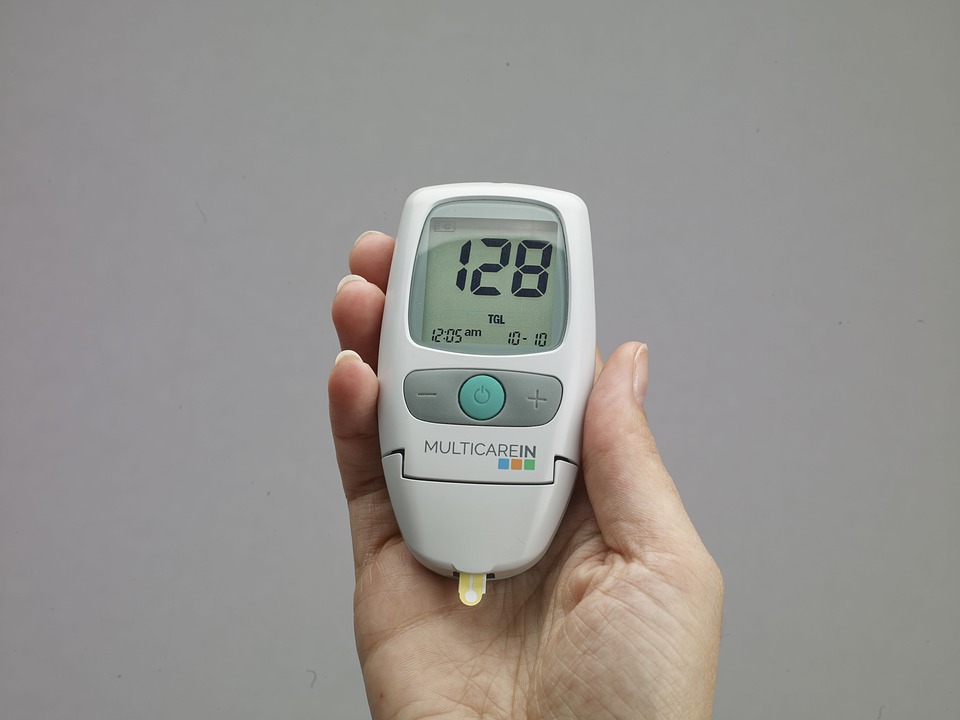
Diabetes — type 2 diabetes i.e. — cannot simply be defined as high blood sugar or having too much sugar in the blood. High blood sugar is only a symptom of diabetes. What diabetes really is is a metabolic dysfunction affecting the entire biological system of the body, including the endocrine system, the circulatory system and the lymphatic system. These systems malfunctioned because of a disruption of the flow of energy into cells and the metabolic waste out of cells. We often think of insulin as the hormone that guides glucose into cells. But insulin has a greater, multipurpose task — to guide potassium, magnesium and other minerals out of and back into cells. If there is not adequate potassium or magnesium in these cells, then these cells cannot utilize glucose — the birth of insulin resistance.

So, we see that insulin resistance happens for a reason — because the cells do not have the minerals to metabolize the carbohydrates and protein we digest. You might think the simple solution may be to add potassium and magnesium to our diet, so that insulin can then allow glucose into the cells. But that would be the case only if enough damage has not already been done.

In the days, weeks, months or years that cells were not allowing insulin to usher glucose into them — insulin resistance — these cells were suffering malnutrition and dying. The blood vessels on the farther regions of our body, like the toes and feet, where blood circulation was jeopardized, took the brunt of the hit. Hence we often hear of diabetics becoming amputees. During those years when these cells were suffering from malnutrition, the blood took a hit, with high levels of insulin and glucose roaming, with no place to go, and causing destruction where ever they lay. The blood then became thick. Then the liver took a hit — because the liver needs aging, thin blood to turn into bilirubin and to make bile for that liver. Then the liver took a greater hit, by becoming congested with thick glue-like bilirubin from thick blood, that was not properly becoming the constituent of bile.

Furthermore, the cholesterol ingested from food and made by the liver piled up with no where to go due to the lack of proper bile formation and flow. Then the bile in the liver and gallbladder became sludge. Then the sludge became intrahepatic stones, and extrahepatic stones in the gallbladder. Then the gallbladder became clogged, unable to release bile for digesting fats and other nutrients from foods. Then the cholesterol that constituted a part of bile raised circulating cholesterol numbers because of being stuck in bile. Then our triglycerides — the stored sugars in fat cells — started rising in the liver and in the blood. So now, not only do we have high blood sugar and high insulin, but we also have high blood cholesterol, high bilirubin, high triglycerides, and yes, eventually even high blood pressure!

Then that clogged blood and clogged liver now clogs the pancreas. Now the pancreas which delivers enzymes and hormones across its narrow pancreatic duct or directly into the bloodstream, begins to misfire, producing either too much insulin and then as time goes by, too little insulin. Now not only do we have a fatty liver, from high triglycerides forming — we now have a fatty pancreas, an exhausted fatty pancreas working on overdrive.

Now the lymphatic system which usually drains large metabolic waste, and large protein debris, turns into a highway with a major traffic jam at all of the hundreds of major lymph nodes. This is manifested visibly with an enlarged stomach, and a stiff neck desperately needing a massage.

Then the kidneys — which do the hardest work – filtering junk from the blood, take a hit. They can no longer filter these large particles and other toxins that should have been processed already by the liver, the pancreas and the lymphatic system. The kidneys then become like a clogged fishing net that is unable to drain out the seaweeds of filth caught in the mesh lines of its net. Now we have high uric acid building up in the kidney walls and the ureter, leading to sciatic pain for some people. Now we have kidney stones slowly forming, constituting mainly of calcium, for some other people.

So now we see that diabetes is not just a high blood sugar problem — it is an internal pandemic of great bodily proportion. Reducing sugar intake at this point will not fix the problem — it only delays it. Fixing the problem involves nourishing the cells with the nutrients they need, like potassium, magnesium, copper, zinc and sodium, while simultaneously repairing the damages that cascaded from a lack of such nutrients, and the great damages that high insulin and glucose in the blood created.

Fixing this internal diabetic pandemic involves reshaping a fatty liver into a healthy liver, a fatty pancreas into a vibrant pancreas and opening the pancreatic ducts and bile ducts that have been clogged with sludge or gallstones; and removing uric acid or kidney stones from the walls of the kidneys. All of this involves eating healthy foods, staying properly hydrated, staying away from unhealthy foods and unhealthy drinks, using herbs and other supplements that nourish the body instead of harming it.

These herbs that help the system work properly again include bitters, like artichoke, kutki, guduchi, andrographis, ginger, bitter melon and others like them. Manjistha is needed to help clear the traffic jam in the lymphatic system. Things that help the system also include lumbrokinase enzymes to help rebuild and clear up the pancreas. (Boluoke is a patented lumbrokinase enzymes product made from real earthworms.) Dandelion is also needed for proper kidney function, and olive leaf extract for the blood.

In dealing with slowing the rate of glucose absorbing or building in the blood, there are excellent herbs to deescalate the process of hyperglycemia, namely fenugreek (my favorite); quality, organic jiaogulan tea (gynostemma pentaphyllum) and banaba leaf (not banana).

There are vitamins that will help metabolize glucose more efficiently, especially vitamin B1 (thiamine), which is greatly depleted when there is too much sugar in the blood. So we need to replace this vitamin. Brands like allithiamine or thiamax in small doses, for a short period of time, would be ideal.

There are minerals that will help metabolize glucose more efficiently, especially chromium, potassium and magnesium. A natural food-base source of chromium is: Nutrigold Chromium Gold. Potassium rich food include yam and coconut water. Magnesium is found in leafy greens and supplements like magnesium malate or taurate.

But what are the main culprits that causes us to develop diabetes in the first place? Perhaps that answer lies in the world of consuming excess animal products, like muscle meat, fish, chicken, eggs and milk. These foods when used in excess, and especially when fried, often, cause insulin to raise higher than even consuming sugary foods. Furthermore, often eating these foods fried or grilled create damaging advanced glycation end-products (AGEs) to develop in the blood and clog blood vessels and capillaries from receiving the nutrients they truly need.

But how do we know we have diabetes in the first place? Good question! Frequent thirst and irritating nightly urination are classical indicators. Diabetes is a silent killer, and most people who have it, or are developing it, do not know either, until some dramatic event calls them into action. Most doctors test glucose levels which indicate the amount of glucose in the blood at that specific moment. But the glucose test can be deceptive. It may show normal even when something is terribly wrong. A more accurate test is the HbA1c test. This test tests for glucose attached to haemoglobin in blood from the prior two or three months. An ideal number should be between 4% to 5.6%. And 5.7% to 6.4%  indicates pre-diabetes. And 6.5% or greater is full blown diabetes. Another test is called the HOMA-IR (i.e. Homeostatic Model Assessment of Insulin Resistance). This tests for the amount of fasting insulin in the blood, that your body needs to keep your blood sugar levels in check. An ideal number should be less than 1.0. The normal HOMA-IR value for a healthy adult ranges from 0.5 to 1.4. And 2.0 to 2.9 indicates some insulin resistance. And 3.0 or greater is full blown insulin resistance! High fasting insulin is indicative of inflammation. Inflammation raises LDL cholesterol.

So where should we start in preventing or reversing diabetes?

  • To manage excess glucose and excess insulin in the blood immediately, use chromium, vitamin B1 and fenugreek, as mentioned above.
  • Other powerful herbs to manage high glucose include jiaogulan, guduchi and bitter melon.
  • To fix the liver, try a bitter herb, like artichoke extract or kutki.
  • To keep the lymphatic system flowing, try manjistha.
  • To fix the pancreas, try lumbrokinase enzymes, specifically Boluoke, which is a natural product and not synthetic.
  • To heal the kidneys, try dandelion root.
  • To revitalize the blood, try olive leaf extract. 
  • And of course, eat properly, avoiding the wrong type of milk, excess animal muscle meat, and avoid excess fried foods, while simultaneously increasing magnesium and potassium rich vegetables like bok choy, yu choy, asparagus, yam, black beans, kohlrabi, parsnip, (crimini) mushrooms and black garlic.

Addendum:

  • Intermittent fasting done correctly will also help
  • So does exercise
  • So does reducing stress, thereby improving sleep quality
  • Aim for less than 50 mg of total sugar per day
  • Keep in mind that the most effective herbs for high blood sugar and high insulin are: jiaogulan, bitter melon, guduchi, and fenugreek.

Healing Chronic Constipation


We need to move our bowels everyday, at least once a day — otherwise toxins build up, and poison our blood and tissues. These toxins are created by the fermentation of putrefying food, and the bacteria that feed on them, the metabolic waste produced by our cells, the indigestible toxins in food, and others. It is critical that these poisonous agents be removed from the bowels daily. If they are not removed on a timely basis, they reabsorb back into our blood and settle in vulnerable tissues throughout the body.

Chronic constipation can be very stressful and debilitating to the mind. It can also be very uncomfortable and painful for the body. But healing it — when you discover how — can be amazingly simple and invigorating. What many people don’t know is that the stomach, small intestine and colon are made of: muscle. When you ingest food, this muscle (called smooth muscle) pushes the food along via automatic variations of contractions and expansions. The nutrient most responsible in aiding in the automatic process is none other than vitamin B1 (otherwise known as thiamine).

I recommend you take 50 mg of this vitamin for a week or two, and I can assure you, you will never have chronic constipation again. Do NOT take it with other B vitamins at the same time during this process: B vitamins compete with each other, and reduce each other’s effectiveness if you take them at the same time.

I may not know you personally, but I can assure you, if you have had chronic constipation for many years, your brain cells are being affected. The colon has direct connection to the mind and brain. That is why depressed people often get constipated, and vice versa. I recommend you start taking these four (or five) other herbs, and I’ll tell you why:

a.) Shatavari or Triphala: Shatavari is good for maintaining a healthy colon, thus a healthy mind. It also balances the hormones.

Shatavari, used excessively, may increase estrogen levels in the body over time — so I only recommend using this for a few days at a time.

An everyday supplement that can be used to keep the bowels relatively healthy is a very popular ayurvedic herb-berry blend called Triphala. This herb-berry blend contains amla, haritaki and bibhitaki.


b.) Olive leaf extract: this herb acts as a natural antibiotic, killing bacteria, viruses, fungi/funguses such as mold and yeast, and other pathogens. Unlike synthetic drugs such as penicillin, whereby these germs can build up a resistance, they CANNOT with olive leaf extract. (Watch out for the Herxheimer-reaction. I can assure you, you will experience it for about a week. It’s natural.)

c.) Turmeric with coconut oil: This is good for the brain cells and to prevent cancer tumors from forming/developing in the colon. 1/4 teaspoon once per day, and no more. Too much of a good thing — even that can lead to bad things.

d.) Guduchi: If I could only recommend three herbs to people, this herb would be one of them.

I personally suffered from chronic constipation every time I used the restroom for the entire first 20 years of my life. It was not until I read about the muscular coordination of the digestive tract and that vitamin B1 was the solution to fix that, that I finally received relief. It took three days of me using 50 mg of B1 to resolve my chronic constipation forever. Depending on your situation, you may need to try the other supplements I recommended to resolve the further damage long term, chronic constipation may have contributed to.