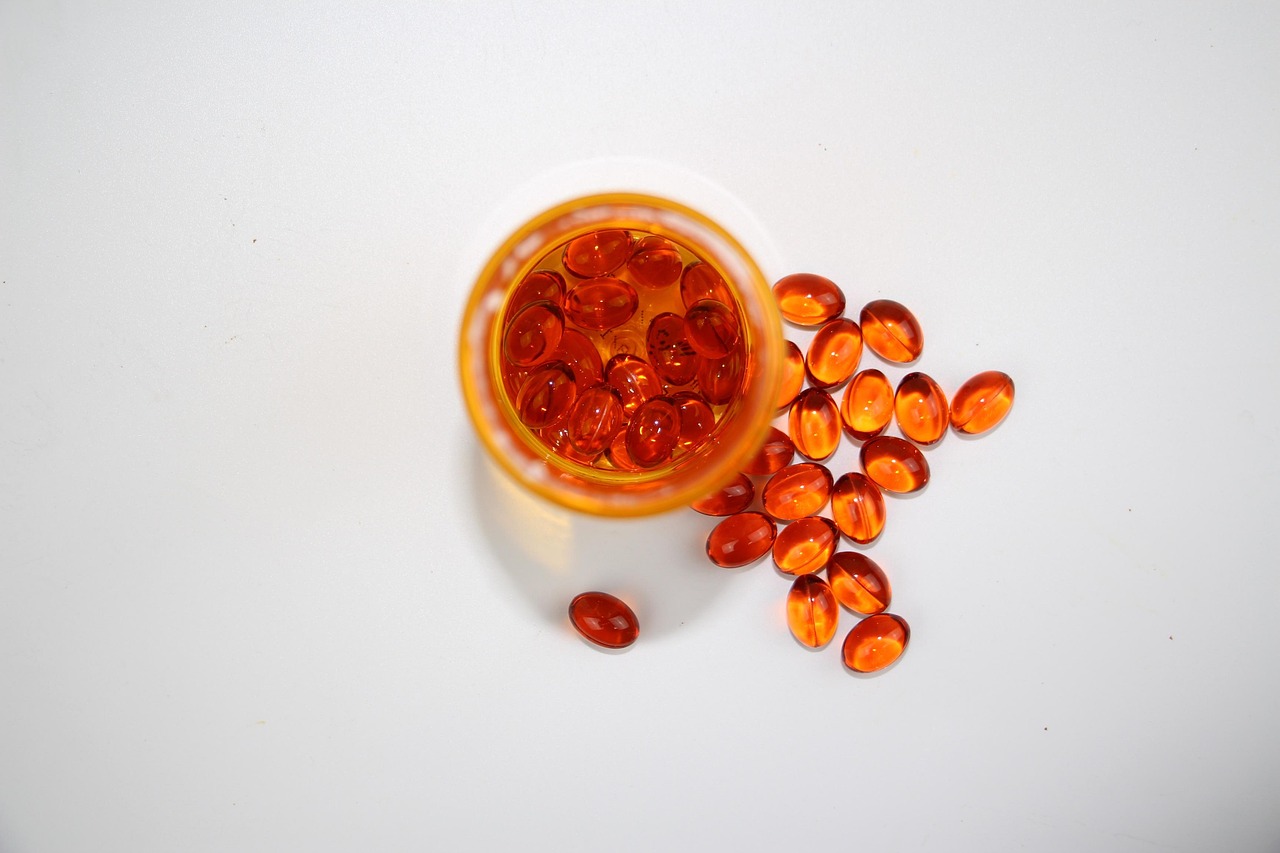
The Golden Era of Sea Buckthorn Oil


Sea Buckthorn oil has very specific qualities: high in vitamin A and E, and in possession of the rare omega 7 and omega 9 fatty acids. With these glaring qualities, there are specific benefits: to the eyes, skin and mucosal membranes throughout the body. Of note, is its specific ability to lubricate vaginal dryness in postmenopausal women! There is also a specific plant sterol that constitutes much of this oil, called beta-sitosterol, that may confer cardiovascular benefits to individuals with abnormal or high cholesterol levels. Let us discuss these benefits.

Because of their ideal cold-temperate and semi-arid regions, more than 90% of the world’s natural sea buckthorn habitat is found primarily in China, then Mongolia and Russia. The two forms of oil extracted by man lay within the seed and berry (pulp). They differ in nutrient status and how they affect the body. The seed oil is extracted from the seeds, and is light, both in color and weight, and rich in essential fatty acids like omega-3 and omega-6, making it a good external daily moisturizer. The berry oil is extracted from the fruit pulp, and is thick, dark red, and contains much higher levels of omega-7 and carotenoids, making it ideal as an oral supplement for skin repair, hydration and anti-aging.


Vitamin A and E

Unlike cod liver oil which focuses on a high vitamin A and vitamin D content, sea buckthorn (berry) oil focuses on a high vitamin A and E content. Vitamin A is beneficial for the eyes, skin and immune system. Vitamin E helps oxygenate internal tissues, and helps prevent blood clots.

Sea buckthorn (berry) oil contains vitamin A precursors in the form of carotenoids—specifically β-cryptoxanthin, β-carotene (abundant), lycopene, lutein, and zeaxanthin (the most abundant). β-cryptoxanthin and β-carotene can be converted by the body into retinol (vitamin A). In contrast, lycopene, lutein, and zeaxanthin do not convert to vitamin A but instead act primarily as antioxidants.

Lycopene is being studied for potential benefits in supporting prostate health, including possible protective effects against prostate cancer.

Lutein and zeaxanthin are the only known dietary carotenoids that selectively accumulate in the retina, forming a protective layer of macular pigment. They may help protect the eyes by filtering high-energy blue light and supporting overall retinal function.

Omega 7 and Omega 9 Fatty Acids

Omega-7, found primarily in the berry oil, as in macadamia nuts, helps maintain moisture and elasticity in skin and mucosal tissues (eyes, mouth, and vaginal lining). Commonly used for dry eye and vaginal dryness.

Omega-9, found also in olive and avocado oil, may improve cholesterol metabolism in the body. May also improve glucose metabolism.

Dry Eyes

The eye contains a mucous membrane called the conjunctiva, which can become dry. The conjunctiva is a thin, clear tissue that covers the front of the eye and the inside of the eyelids. It helps keep the eye moist by producing the mucus layer of the tear film. Sea Buckthorn Berry oil supplementation has proven beneficial for reversing dry eye conditions.

Vaginal Dryness

Also called vulvovaginal atrophy or genitourinary syndrome of menopause (GSM), vaginal dryness causes thinning of and decreased elasticity of the vaginal and vulva tissues as estrogen levels decrease during menopause. Sea Buckthorn Berry oil supplementation has proven beneficial for reversing dry vaginal conditions.

Skin Protection and Rejuvenation 

Sea Buckthorn seed oil is moisturizing to the skin, and may regenerate damaged skin tissue on a cellular level and improve elasticity. Also good as a sunscreen with other carrier oils, such as coconut oil, reducing sunburn. Has been used to treat skin burns. The oil was used to help treat the skin of burn victims in the aftermath of the 1986 nuclear accident in Chernobyl, Ukraine. Russian cosmonauts also use[d] it for protection against radiation exposure in space. 

May also help treat wrinkles, acne, rosacea and eczema.

Other Benefits 

There may be mild cardiovascular protection from the flavonoids and other antioxidants in sea Buckthorn. The plant-sterol it contains — beta sitosterol — may compete with and replace cholesterol numbers in the human intestines. Whether or not this is a plus, is an ongoing research. There is research that indicates that increased plant sterols may actually increase the risk of adverse coronary events! There may, however, be mild lowering of triglycerides and blood sugar levels while using this oil.


How to Use Sea Buckthorn Oil

Berry oil may be taken orally for systematic dryness: dry mouth, dry eyes and vaginal dryness. May also be taken orally to enhance cholesterol and glucose metabolism.

Seed oil may be taken topically for dry skin, sunburn or general skin burns. Both the seed and berry oil can be combined for enhanced topical benefits.


Precautions

  • Sea Buckthorn oil may be for occasional use only, instead of a daily supplementation routine.
  • If you have any heart condition, and are on heart medications or blood thinners, use caution when taking sea buckthorn, which is considered a blood thinner. Stop taking if any unusual symptoms develop.
  • Pregnant or breastfeeding women should probably avoid this oil since interaction is relatively unknown.
  • People with existing allergies to the Elaeagnaceae plant family should be aware and on alert for any unusual symptoms.
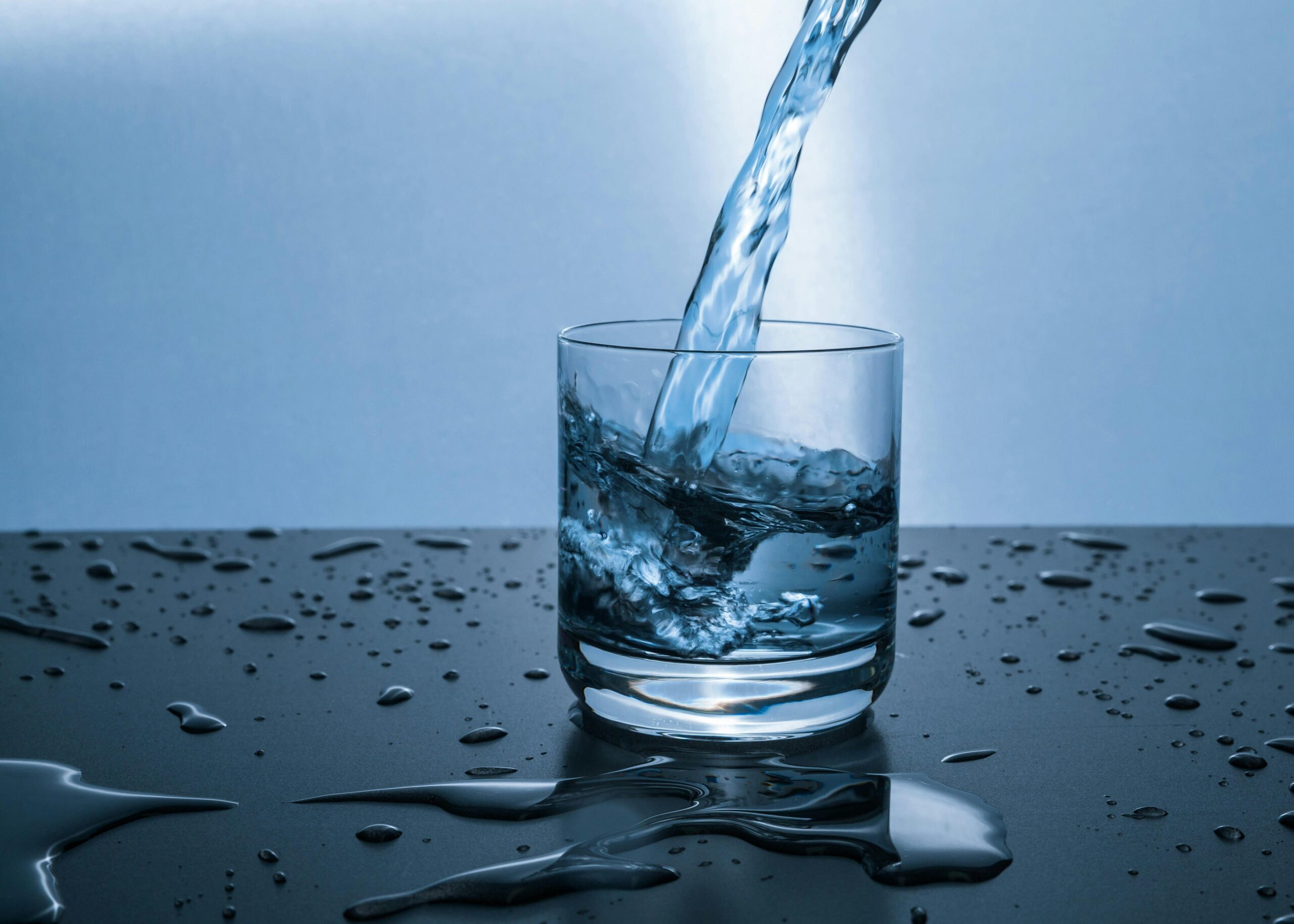
The Proper Way(s) to Hydrate Your Body


Congratulations — you have decided to add adequate water to your daily hydration routine! If someone simply recommends for you to drink five, six or eight glasses of water per day to hydrate your body, don’t listen to them! Hydration entails much more than that. I 100 percent (%) agree that hydration should equal both clean water mixed, with minerals. And when I say minerals, I’m not just talking about salt, like some people are. Ultra-pure water is very corrosive — the same corrosion that happens when the power of river-water breaks up rocks into sand particles, over time. Ultra pure water strips away things — like the delicate mucus membrane that lines the wall of the stomach and intestines, while also depleting the body of minerals it already has. Ultra pure water also acts like a bleach, making things so clean, that it dissolves the color of the surface it comes in contact with. In this article, I will therefore discuss the best ways to hydrate or rehydrated the human body, and without all those ill-effects.

Many people falsely believe they have found the Holy Grail of hydration by adding reverse osmosis (RO) or distilled water to their hydration routine. These methods remove toxins, but also remove necessary minerals out of the water, with reverse osmosis using a semipermeable membrane to filter out contaminants, and distillation involving boiling water to evaporation, leaving dissolved solids behind. Though these processes of removing contaminants from water is worthy of praise, the additional removal of needed minerals should raise the alarm; and calls for a plan B. That plan B involves properly replacing these needed minerals.

If you think you have nothing to worry about drinking ultra pure water, such as RO or distilled water, and you will continue to do so without worry or regret, you are sadly mistaken. The human body runs on minerals. These are what keeps us alive. The heart runs on minerals like potassium and magnesium. If your body runs out of these minerals, then the cells that depend on them will not only run out of energy — they will run of of life and die.

Our blood mimics ocean water?

I’ve been hearing this argument about blood mimicking the electrolyte balance of the ocean. That sounds good on paper. But the reality is the ocean is four times saltier than human blood. That is why we can’t drink ocean water — it will dehydrate us quickly, while destroying our kidneys!

Yet some companies offer hydration drinks called hypertonics, heavily and disproportionately mixed with sodium.

Since salt keeps water outside of the cells, and potassium encourages water into the cells, potassium would therefore be the preferred mineral for hydration. Sodium/salt has a tendency of holding onto water; plus a tendency of causing edema and high blood pressure, and potassium loss.

I find coconut water very hydrating, with a potassium/sodium ratio of 10:1, meaning potassium is 10 times higher!

Like I said, I am a little skeptical about the argument of blood mimicking ocean water — we cannot drink ocean water because it’s too salty.
I would prefer the less sexy argument that mimics the sodium -potassium pump — where sodium ions are pushed out of the cells during ATP to make room for potassium ions into cells. And that is what hydrates cells!

In simple terms, if all of this is confusing, it is potassium that is needed to hydrate cells.

So — though a good start and heading towards the right track — probably the view of hydrating the blood is too broad to talk about in terms of hydration — so maybe we should talk about hydration within cells, where real hydration ultimately takes place.

Main minerals needed for hydration:

As previously mentioned, potassium is the main mineral needed to hydrate within the cells. Other important minerals are: magnesiumchloride and copper. Magnesium helps keep potassium in place or to stay in place (to hydrate cells), and chloride — which is 60 percent of salt — works with sodium, to maintain the correct pressure between cells and the surrounding fluid. Copper is needed to ignite the electrical (electrolyte) system within each cell. And sodium is needed for extra-cellular hydration.

Be careful with electrolyte drinks!

Science defines three types of dehydration: isotonic, hypertonic and hypotonic.

Isotonic dehydration involves a mineral plus water loss that is equal to each other. Hypertonic dehydration involves water loss greater than mineral loss. And hypotonic dehydration involves a mineral loss greater than water loss. The common denominator used as a mineral is usually sodium.

Using these as examples, companies tailor drinks that maintain water retention by increasing particular electrolytes, especially sodium, to curtail hypertonic dehydration. This may be useful for someone who has just lost a lot of water through heavy exercise and sweat — but not useful (even dangerous) for the common person, who didn’t dehydrate from sweat loss.

Electrolyte drinks are also heavy on sugar, which increases energy, but in the long term, may also increase cellular dehydration.

What water is best for hydration?

The safest way to rehydrated your body is to consume water that comes already with natural electrolyte balances. It is called spring water.

Another natural way to rehydrate is with pure coconut water, with no sugar added.

If there are concerns about the containers these water sources comes in, consider plastic bottle alternatives, such as plant-based carton or glass.

Another way to hydrate is to filter and boil for 20 minutes, tap water. The clock begins as boiling starts!

Adding sea buckthorn berry oil occasionally as a supplement will help hydrate the mucus membrane of your internal tissues, like that of the stomach, intestines and vaginal area.

In simple terms:

If you are confused about what this article is suggesting for you to do, simply start adding spring water or coconut water to your hydration routine. Or if you’re using RO or distilled water, simply start adding mineral drops — particularly potassium and magnesium — to buffer the ill-effects of ultra-pure water. You may also filter and boil tap water for 20 minutes. And occasionally add sea buckthorn berry oil as a supplement to hydrate your internal mucus membrane.

So, how much water should we drink per day?

The amount of water needed for each adult person must be tailored to each individual need. What may work for one person, may be too much or too little for another. Using common sense, drinking gallons of water per day may be a dangerous routine for anyone to follow; and also making it a habit of drinking only one glass of water per day may be dehydrating for anyone and everyone. If I must give a number, I’d guess on average if you’re 100 pounds, somewhere around 4 to 5 cups of water may be necessary; and if you’re around 200 pounds, 6 to 8 cups of water may be necessary. As a visual guide, if your urine is too clear, you may be over-hydrating; if it is too dark (yellow), you may be under-hydrating.