The Golden Era of Sea Buckthorn Oil


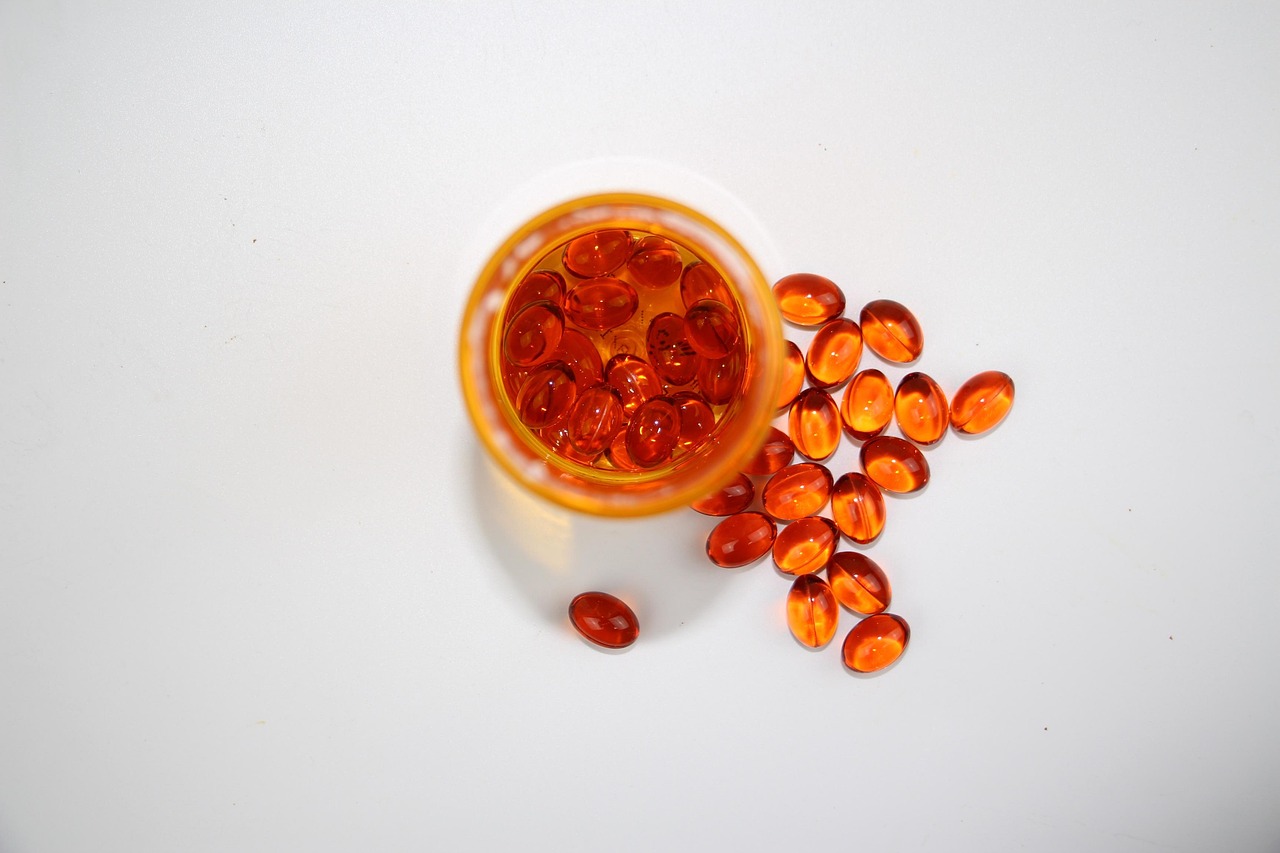
Sea Buckthorn oil has very specific qualities: high in vitamin A and E, and in possession of the rare omega 7 and omega 9 fatty acids. With these glaring qualities, there are specific benefits: to the eyes, skin and mucosal membranes throughout the body. Of note, is its specific ability to lubricate vaginal dryness in postmenopausal women! There is also a specific plant sterol that constitutes much of this oil, called beta-sitosterol, that may confer cardiovascular benefits to individuals with abnormal or high cholesterol levels. Let us discuss these benefits.

Because of their ideal cold-temperate and semi-arid regions, more than 90% of the world’s natural sea buckthorn habitat is found primarily in China, then Mongolia and Russia. The two forms of oil extracted by man lay within the seed and berry (pulp). They differ in nutrient status and how they affect the body. The seed oil is extracted from the seeds, and is light, both in color and weight, and rich in essential fatty acids like omega-3 and omega-6, making it a good external daily moisturizer. The berry oil is extracted from the fruit pulp, and is thick, dark red, and contains much higher levels of omega-7 and carotenoids, making it ideal as an oral supplement for skin repair, hydration and anti-aging.


Vitamin A and E

Unlike cod liver oil which focuses on a high vitamin A and vitamin D content, sea buckthorn (berry) oil focuses on a high vitamin A and E content. Vitamin A is beneficial for the eyes, skin and immune system. Vitamin E helps oxygenate internal tissues, and helps prevent blood clots.

Sea buckthorn (berry) oil contains vitamin A precursors in the form of carotenoids—specifically β-cryptoxanthin, β-carotene (abundant), lycopene, lutein, and zeaxanthin (the most abundant). β-cryptoxanthin and β-carotene can be converted by the body into retinol (vitamin A). In contrast, lycopene, lutein, and zeaxanthin do not convert to vitamin A but instead act primarily as antioxidants.

Lycopene is being studied for potential benefits in supporting prostate health, including possible protective effects against prostate cancer.

Lutein and zeaxanthin are the only known dietary carotenoids that selectively accumulate in the retina, forming a protective layer of macular pigment. They may help protect the eyes by filtering high-energy blue light and supporting overall retinal function.

Omega 7 and Omega 9 Fatty Acids

Omega-7, found primarily in the berry oil, as in macadamia nuts, helps maintain moisture and elasticity in skin and mucosal tissues (eyes, mouth, and vaginal lining). Commonly used for dry eye and vaginal dryness.

Omega-9, found also in olive and avocado oil, may improve cholesterol metabolism in the body. May also improve glucose metabolism.

Dry Eyes

The eye contains a mucous membrane called the conjunctiva, which can become dry. The conjunctiva is a thin, clear tissue that covers the front of the eye and the inside of the eyelids. It helps keep the eye moist by producing the mucus layer of the tear film. Sea Buckthorn Berry oil supplementation has proven beneficial for reversing dry eye conditions.

Vaginal Dryness

Also called vulvovaginal atrophy or genitourinary syndrome of menopause (GSM), vaginal dryness causes thinning of and decreased elasticity of the vaginal and vulva tissues as estrogen levels decrease during menopause. Sea Buckthorn Berry oil supplementation has proven beneficial for reversing dry vaginal conditions.

Skin Protection and Rejuvenation 

Sea Buckthorn seed oil is moisturizing to the skin, and may regenerate damaged skin tissue on a cellular level and improve elasticity. Also good as a sunscreen with other carrier oils, such as coconut oil, reducing sunburn. Has been used to treat skin burns. The oil was used to help treat the skin of burn victims in the aftermath of the 1986 nuclear accident in Chernobyl, Ukraine. Russian cosmonauts also use[d] it for protection against radiation exposure in space. 

May also help treat wrinkles, acne, rosacea and eczema.

Other Benefits 

There may be mild cardiovascular protection from the flavonoids and other antioxidants in sea Buckthorn. The plant-sterol it contains — beta sitosterol — may compete with and replace cholesterol numbers in the human intestines. Whether or not this is a plus, is an ongoing research. There is research that indicates that increased plant sterols may actually increase the risk of adverse coronary events! There may, however, be mild lowering of triglycerides and blood sugar levels while using this oil.


How to Use Sea Buckthorn Oil

Berry oil may be taken orally for systematic dryness: dry mouth, dry eyes and vaginal dryness. May also be taken orally to enhance cholesterol and glucose metabolism.

Seed oil may be taken topically for dry skin, sunburn or general skin burns. Both the seed and berry oil can be combined for enhanced topical benefits.


Precautions

  • Sea Buckthorn oil may be for occasional use only, instead of a daily supplementation routine.
  • If you have any heart condition, and are on heart medications or blood thinners, use caution when taking sea buckthorn, which is considered a blood thinner. Stop taking if any unusual symptoms develop.
  • Pregnant or breastfeeding women should probably avoid this oil since interaction is relatively unknown.
  • People with existing allergies to the Elaeagnaceae plant family should be aware and on alert for any unusual symptoms.
Heal Acne Permanently!


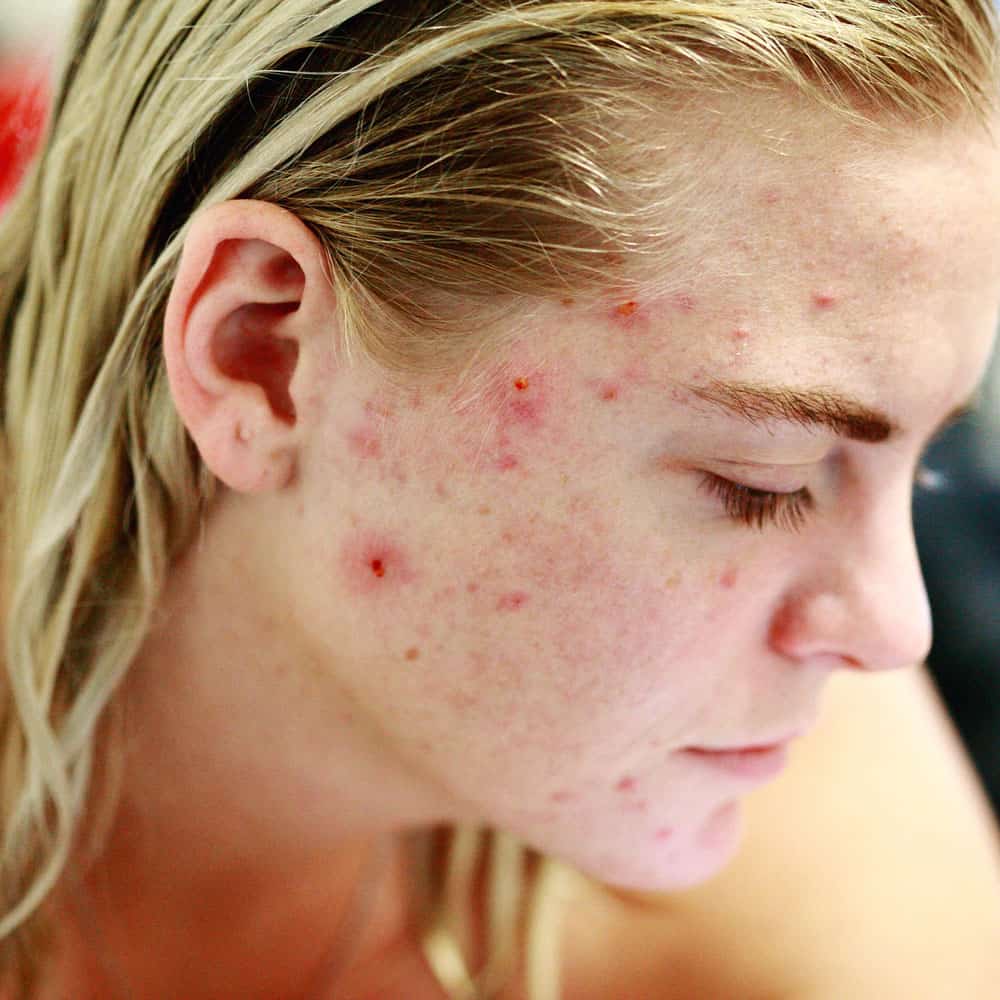
Acne (acne vulgaris) is manifested as a skin condition, affecting the bust of the human profile, i.e., the face, neck, chest, back and shoulders, and sometimes even extending to the buttocks — often causing extreme self consciousness and indignation to its victim. Acne is materialized when the oily secretion of sebum, that lubricates the hair follicles and skin pores become congested with dead skin and condensed sticky oil debris. Bacteria then proliferate to agitate the condition and cause further inflammation. Many of the alcohol-laden and dehydrating creams and techniques used today do more harm in exacerbating than in fixing an acne problem.

This skin disorder is often a condition caused by some sort of repressed hatred for something, or someone. Hate in traditional Chinese medicine is stored and built up in one particular organ: the liver. Furthermore, if you have strong emotions stored in the liver, then you also have clogging of that liver, with either sludge, gallstones or intrahepatic stones. If these things occur, then bile — a substance that the liver produces to digest fat — is reduced. Our liver should ideally produce one quart or over of bile per day — that’s a lot! If your liver is compromised, then you may not be even producing fifteen percent of that. If you have acne problems, most likely, you have bile problems.

Why is bile so important? Bile helps digest fat, turning it into smaller molecules so the digestive system can handle and the small  intestines can absorb it. If fat is not being digested, then retinol also is not being metabolized. Retinol is needed to nourish the skin and keep it oily. Otherwise, you have dry skin, or sticky skin, susceptible to toxins and bacteria. Furthermore, if bile is not being produced to digest fat, then the animal protein you eat is also not being digested, since protein needs fat to digest properly.

Furthermore, if bile is not being produced properly to digest fat, then calcium is not being digested and absorbed properly; then vitamin D, E and K are also not being absorbed properly. Then carbohydrates and other sugars are not being digested properly. Thus the lack of bile, caused by an angry liver, causes a cascading event leading to a toxic liver, and toxic blood, and congested lymphatic system, and toxins ultimately depositing in our skin from the inside-out. The manifestation of acne is only the visible iceberg to the real chunk of ice beneath the layers.

On surface, we see acne manifested as pores consisting of blackheads and whiteheads — from air and non-air exposure respectively. We also see it as nodules and pustules — bump-like growth beneath the skin and pimples with pus respectively. And then sometimes we see it as devastating cysts — a form (cystic acne) that penetrates deep from within the skin! Many suffering from this condition, in desperation, overly wash and scrub their faces hard — spreading the infection and making things worse.

So, what is the solution? There are fortunately many avenues you can take to heal acne. But your focus should be on fixing the liver, increasing bile flow, reducing anger, and cleaning toxic blood.
As a superficial quick-fix, guduchi powder mixed with amla powder into a paste will quickly heal up acne when applied for a period of time to the infected areas. As a prolonged healing process, these two herbs should be used internally, as a tea or in capsule form for a time to help heal the root of the problem.

Another topical application would be to make a paste out of a fine clay called pascalite. This clay differs from regular bentonite clay in that it doesn’t swell up when wet. It may very well remove acne when applied regularly over a period of weeks or months! You can order at pascalite.net.

As previously mentioned, since your liver is clogged, this produces toxins in the blood and clogs the lymphatic system. An herb called manjistha will reinvigorate the blood, and will help unclog the lymphatic system, so that it may drain toxins properly once again.
To speed up the process of detoxifying the blood, you can also add modified citrus pectin, which binds to toxins, and take them out of the body through the alimentary canal.

Food-wise, you want to reduce artery clogging animal muscle meat and dairy, while simultaneously start eating more grassfed/grassfinished liver (6 ounces per week). Why? This contains bioavailable retinol, copper, zinc and vitamin B12 — critical nutrients needed for someone with acne. You may also use oysters, (about 3 ounces per week) for its very bioavailable copper, zinc and selenium content. Oysters from the Atlantic ocean is ideally free from toxins.

You may also want to donate blood every six months to a year if you are suffering from amenorrhea. Bacteria thrives in a body filled with unbound iron. Unbound iron causes rust and inflammation of the organs. Donating blood will help mitigate this.

And finally as an added bonus, you may want to try organic bee pollen for its natural B vitamin content. B vitamins are essential for anyone with digestive, neurological or skin problems. Particularly vitamin B5 in a derivative form called Pantethine (in moderation) will nourish the  adrenal glands, thus reducing cortisol, thus reducing stress, thus reducing eventually, acne. (Taste test the pollen to make sure that you are not allergic.)

So in summary, acne, as well as many other skin conditions are caused by an angry liver, lack of proper bile flow, congested blood and a clogged lymphatic system. To effect healing, try

Externally: Guduchi + amla + manjistha paste to affected area: Honey or coconut oil can be used to make the paste

Externally: Pascalite clay (paste) applied for twenty (20) minutes to an hour, per day

Internally: Guduchi + amla + manjistha in tea or capsule form

– modified citrus pectin (on an empty stomach)

– Reducing muscle meat and dairy

– adding grassfed/grassfinished liver (organic)

– adding Atlantic oysters [or sesame seeds] (for copper content)

– Donating blood every six months to a year to reduce unbound iron (optional)

– adding organic bee pollen + Pantethine (for B vitamins).

Skin Rashes from Sun Exposure: How to Deal with It


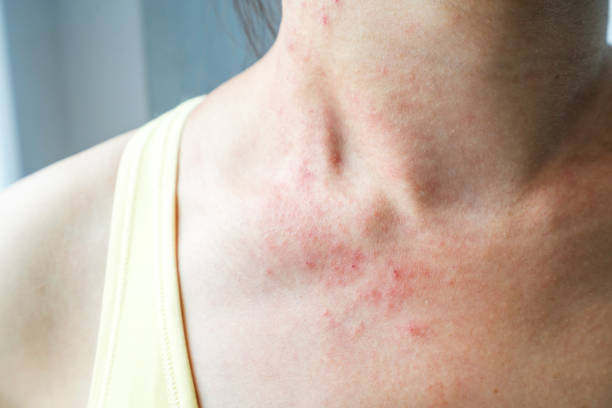
If you suffer skin sensitivity from sun exposure, the sun is not your problem: your liver, colon, lymphatic system and kidneys are your problem. They are not doing a good job, for whatever reason, detoxifying your body. It could be due to chronic constipation, gallstones in the gallbladder, lack of bile flow, unbound iron in the blood, metabolic wastes and dead cellular debris building up in the lymphatic system. It could also be chronic nutritional deficiency. It could be heavy metals such as aluminum, cadmium, mercury or lead. It could even be the very minerals and vitamins meant to nourish your body, acting as toxins. However, the cascade almost always starts with gallstones originating from the liver clogging up the gallbladder and obstructing bile-flow.

If you are not moving your bowels everyday, undigested food will rot, and toxins will build up. These undigested food releases putrefying toxins in the bloodstream, then the tissues and organs. If the body is unable to digest food protein, for example, it will store it as collagen fiber in the blood vessel walls. If it is unable to store as such, then this protein is converted into nitric-, sulfuric- and phosphoric- acids — similar to battery acid. Your body then becomes more acidic, creating an ideal environment for pathogens. If you have chronic constipation, you must increase your vitamin B1 level, until problem is resolved.

Many people with this condition will discover that they may have low vitamin D levels. If you do have a low vitamin D problem, what that really means is that you have a low magnesium and high calcium problem. Please read that again. The vitamin D in your body is actually keeping low on purpose to save you from calcium toxicity, and magnesium deficiency. Your body is inflamed internally. What you really need to do is increase your magnesium level. In fact, the root of depression is an imbalance between the calcium/magnesium ratio.

Okay, your skin is reacting to the sun, even though the sun is supposed to be a natural healer. The reason for your rashes is because your liver is no longer able to detoxify toxins efficiently, causing your blood and lymphatic system to become “polluted.” These pollutants/toxins then lodge in the basal wall membrane of your capillaries, depriving your skin of oxygen and nutrients.

Your skin essentially can’t “breathe” because of these toxins clogging it. Ideally, the sebaceous glands in your skin produces a fluid called sebum. This fluid nourishes the hair follicle and adds luster to the hair. It also serves as a natural anti-pathogenic agent for the skin. The lack of it will hasten dry, sensitive skin.

Here’s also what I would do in order of importance to help heal a sun sensitive skin — these may work for other skin conditions such as acne, psoriasis, etc:

  • Wild Siberian chaga
  •  Guduchi
    Add 1/4 teaspoon each of these in hot water… Or boil them for an hour or so. Sip hot in a thermos throughout the day. I personally do this three times per week. Discard the sediment that settles on the bottom. Wild Siberian chaga is better than any other type. Both guduchi and chaga heals the liver.
  • Manjistha: this herb WILL unclog any congestion in your entire lymphatic system. Red root is also another good herb for this. I use them often, when needed.
  • Magnesium glycinate/malate 400mg daily. These absorbable forms of magnesium will increase your vitamin D3 level EVEN if you stop supplementing on D3.
  • Grass-fed/grass-finished (organic) liver. This contains natural vitamin A, B12, choline, iron, folate, zinc, copper. Consume 4 to 6 ounces about once per week — even if you are vegan/vegetarian. You can also buy desiccated grass-finished liver online.
  • Atlantic oysters. These contain ideal levels of copper, zinc and selenium. Try this also once per week.
  • Organic bee pollen. This contains natural B vitamins and copper. Taste test on your tongue first to make sure you’re not allergic. Natural vitamin B is needed for so many things.
  • Natural vitamin C found either in amla or acerola. I consume these supplements almost everyday. They heal damaged, oxidized tissues.
  • Try to donate about 1 liter of blood once every six months to a year. You are iron toxic. Iron toxic means you have a lot of unbound iron, acting as a heavy metal or free radical, destroying your tissues. Unbound iron is not attached to hemoglobin, or anything, like it should be. Glaucoma is an iron toxicity problem. Unbound iron has an affinity for lodging itself in the liver, and destroying it, and causing skin problems.

In summary, to alleviate skin rash caused by sun exposure to the skin:

– Be sure to be moving your bowels daily ( Vitamin B1 helps)

– Try chaga/guduchi tea for its whole-body healing effect

– Try manjistha for your lymphatic system

– Try magnesium to reduce inflammation

– Eat grass-fed/finished liver once per week for its rich mineral content

– Eat oysters once per week

– Try organic bee pollen for its copper and B vitamin content

– Try natural vitamin C (amla/acerola) for wound healing and nourishment

– Donate blood once or twice per year.


Update:

I’ve recently discovered another herb that appears to possess protection against the effects of Sun-induced damage, specifically against Ultraviolet-induced damage to the skin, when taken orally. Skin damage was reduced from both UVA and UVB radiation. That herb is called polypodium leucotomos.

It is also said to be effective against some cases of psoriasis, while also boosting the immune system.