Could Oxalates be the Root Cause of Your Pain?


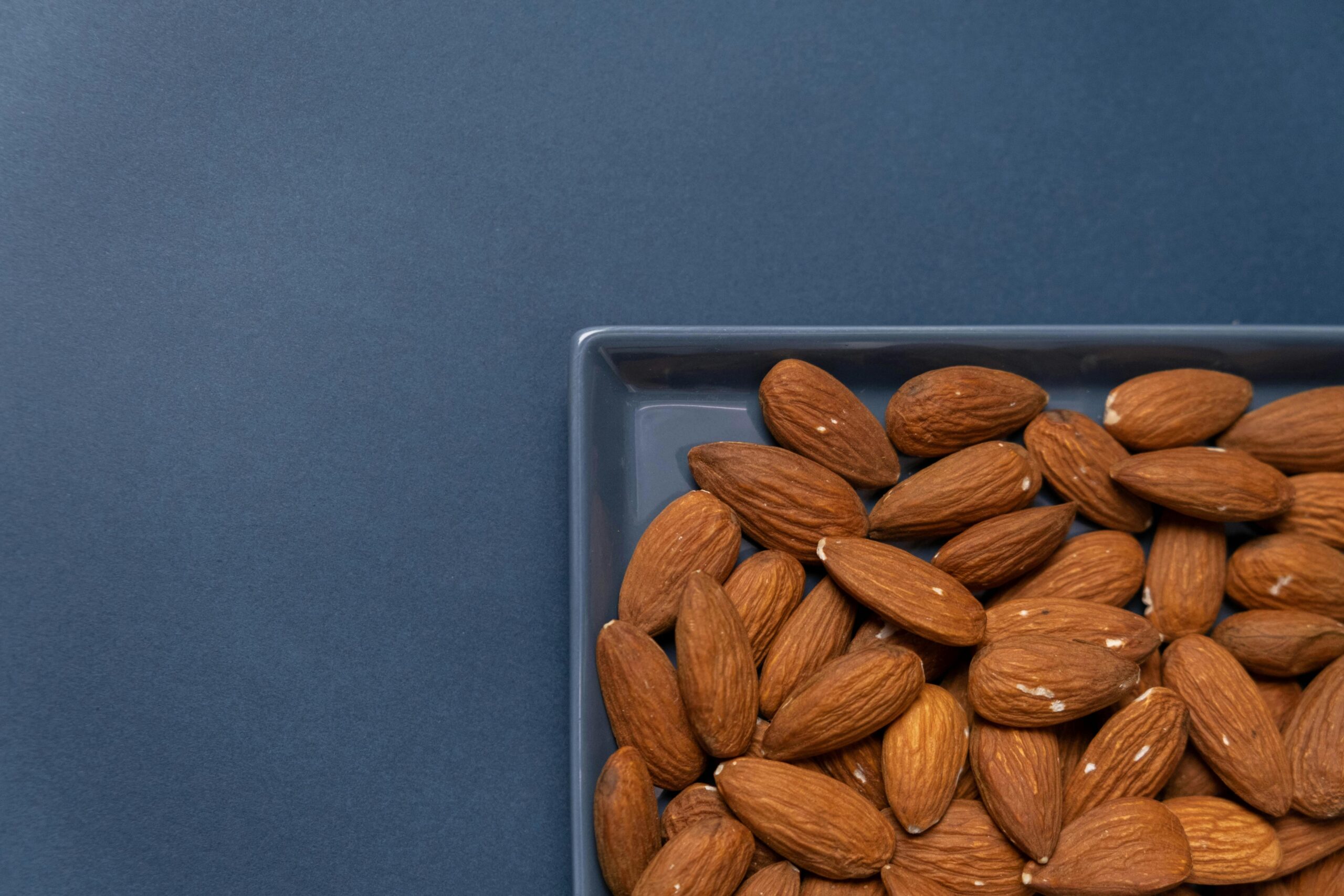
It seems ironic that oxalates can be found mostly in what we would term as healthy foods: spinach, rhubarb, swiss chard, beet greens, almond/flour, soy, cacao, okra, chia seeds, black raspberries, star fruit, sweet potato, and others. But I guess these healthy foods are smart foods, since oxalates are their natural defense mechanism to protect them from predators, including human predators! If you have been unknowingly (or knowingly) consuming these foods in excess, you may have been also noticing strange symptoms throughout your body. In this article, I will discuss what oxalates are, where they come from, where they’re going, and if they could be the root cause of your pain.

We do not need to only worry about the oxalates in food we consume — our liver also produces oxalates as a byproduct, from a non-essential amino acid called hydroxyproline, that is derived primarily from collagen. That is the same collagen made up of protein, and that we consume in our diets. Those who are consuming excess animal products, collagen and gelatin powder, should also be aware. That hydroxyproline, which when broken down, may produce endogenous oxalates that may exceed even your exogenous oxalate intake.

And there are other things that may contribute to the buildup of high oxalate production in the body — most notably, ascorbic acid, from vitamin C supplementation.

Oxalates come from an acid, oxalic acid, that binds to minerals. So oxalates are oxalic acid combined with mineral(s). Oxalic acids chelate to minerals, and may deplete these minerals from our body. The most famous chelated mineral is calcium. But oxalic acid chelates other minerals, such as magnesium, sodium, and potassium. Calcium oxalates are famous because they are the most abundant and hardest form of oxalates and are most associated with kidney stones.

In fact, oxalates can be harder than tooth enamel and dentin — this is the case, specifically with calcium oxalates. When these oxalates accumulate and bond together, they form hard crystals, described as “razor-sharp edges” or “tiny shards of glass”, i.e., when examined under a microscope. This explains why having kidney stones is such a painful experience.

Types of oxalates 

Oxalates exist in both soluble and insoluble forms. Generally speaking, sodium oxalates and potassium oxalates are considered soluble, while calcium oxalates and magnesium oxalates are considered insoluble. Soluble and insoluble are exactly what they sound like: soluble oxalates dissolve in water, and can thus travel around in blood easily. Insoluble oxalates do not dissolve, and are more susceptible (precipitate) to form stationary crystals. However, in the case of magnesium oxalates, it may share characteristics close to soluble oxalates.

A convenient way to guess whether or not a food-source is (mostly) soluble oxalates is simple: if it is plant leaves, it is most likely soluble. If it carries a high water content, that may be another clue it contains mostly soluble oxalates. Young, tender plant leaves often accumulate potassium salts (soluble). Root vegetables and seeds, on the other hand, often contain more calcium oxalate crystals, which are insoluble.

What happens when we consume high oxalate foods?
 
If it’s soluble, oxalates will readily absorb through the intestinal lining into the bloodstream. If insoluble, it should stay within the digestive system for excretion, unless the gut is compromised — such as the case with leaky gut.
 
If the microbiome in the gut is properly maintained, bacteria will help break down oxalates and use them as a source of energy. This is particularly and specifically the case with a certain bacteria called: oxalobacter formigenes.
 
If there is excessive oxalates coming in, more than the kidneys can process, a build up of oxalates, especially insoluble calcium oxalates may form in the kidneys, eventually leading to painful kidney stones.
 

As high as 50-60% of soluble oxalate from food can be absorbed if no mineral binding occurs. Less than 5% (typically 1-2%) of insoluble oxalates is absorbed through the gut. The greater the gut dysfunction rate, the greater the insoluble oxalate rate of absorption.

 
Which is worse, insoluble or soluble oxalates?
 
While insoluble oxalates, such as calcium and magnesium oxalates generally reside in the gastrointestinal region and can ideally be excreted, soluble oxalates made of potassium and sodium can travel throughout the bloodstream. These soluble oxalates are not particularly concerning, since they don’t form hard crystals like calcium oxalates do. However, once in the bloodstream, these soluble oxalates can be hijacked by calcium ions and then turn into insoluble oxalates! These oxalates can then wreak havoc and settle everywhere throughout organs and tissues in the body in crystalized form.
 
So to answer the question which is more dangerous, soluble or insoluble oxalates(?): 
  • Insoluble oxalates are generally considered more dangerous if they are not being excreted, since they form hard crystals.
  • But soluble oxalates can also be dangerous since they travel to more locations and can be hijacked by calcium ions to become insoluble oxalates.
 
So now you may have pain in the joints that may resemble classical arthritis. Now there might be skin rashes and itching. Now you may have muscle ache or fibromyalgia-like symptoms. Now you may have pain in the eyeballs and impairment of vision. Now you may have pain in the vagina (vulvodynia) and not know why. Now you may have stomach bloat and other digestive issues resembling IBS. Now there may be severe mineral and vitamin deficiency throughout the body.  There may be fatigue and irritability. And of course, there may be the classical symptoms that oxalates are associated with: kidney stones and kidney dysfunction.
 
 
What causes oxalates to build up in the body?
 
High dose vitamin D may increase calcium buildup up, thus calcium oxalate build up
 
– Taking excess ascorbic acid — though considered an antioxidant — may act as an oxidant when small proportion is metabolized in the liver, forming oxalic acid
 
– Consuming foods high in oxalates, especially without properly boiling and rinsing them may cause exogenous oxalate build up. These include: spinach, rhubarb, swiss chard, beet greens, almond/flour, soy, cacao, okra, chia seeds, black raspberries, star fruit, sweet potato, potato, cashew, and peanut. Even some herbs are high in oxalates, like turmeric, milk thistle and black elderberry extract!
 
– A low fiber diet will lack the necessary microbiota to degrade oxalates, most notably a lack of the bacteria oxalobacter formigenes.
 
– Excess use of antibiotics will disrupt the microbiota.
 
–  A high-protein diet, particularly one rich in animal protein, can increase oxalate levels because the amino acid hydroxyproline, found in collagen, is metabolized into oxalates in the liver.
 
– Certain genetic disorders, such as primary hyperoxaluria, may predispose someone to building excess levels of oxalates.
 
How to prevent oxalosis (i.e., the buildup of oxalate crystals in the blood and body):
 
– See above ⬆️: [What causes oxalates to build up in the body?]
 
Congratulations — you have decided to decrease oxalates from your diet and expel the excess from your body! There is a problem though. It is colloquially called “oxalate dumping”. If you suddenly decrease oxalates from your diet, you may have withdrawal symptoms. Typically, our kidneys only excrete 50 mg of oxalates per day. However, if your prior intake was much more and you suddenly stop, there may be excess oxalate dumping, that may be traumatic to the kidneys. This is especially true if you add things to expel oxalates from your body. It is therefore advised you thread slowly in the effort to rid excess oxalates from your diet and from your body. 
 
– To maintain proper oxalate levels, your vitamin B1 and B6 levels must be sufficient, to increase proper liver function and metabolism of endogenous oxalates 
 
– Consuming lemon water will increase citric acid, which may bind to calcium in the urine — forming soluble calcium-citrate complexes instead of insoluble calcium-oxalate crystals and their aggregation
 
– Consuming certain herbs may help dissolve or break up oxalates: namely, chanca piedra, sambong and corn silk
 
– Avoiding the highest oxalate foods completely should be considered: especially spinach, rhubarb, swiss chard, almond, soy and star fruit.
 
– Avoid consuming excess animal products, collagen and gelatin powder, which may cause your liver to produce excess endogenous oxalates 
 
– Consider increasing your magnesium intake since magnesium oxalates, though technically an insoluble oxalate, may be less insoluble than calcium oxalates, helping to move and excrete excess out of the body
 
– Stay properly hydrated

The Other Herbs I Love


Five years ago, I wrote about nine of my most cherished herbs. Now, I will list eighteen more.


Bhumi Amalaki: I previously wrote about herbs good for the liver, like kutki, eclipta alba and guduchi. Now I’ll add another ayurvedic herb, Bhumi Amalaki. This herb goes well with kutki, in rejuvenating a dying, fatty liver. In Peru, it’s known as chanca piedra — the stone breaker. If you want to protect your gallbladder from gallstones or surgery, think Bhumi Amalaki. It is also protective of the kidneys — removing excess oxalate crystals. These features will also relieve chronic abdominal pain and painful urination.

Bhumi Amalaki may also be useful for those suffering from diabetes, Hepatitis B, and HIV.

Other names: phyllanthus niruri, Bhumi amla


Jiaogulan: an herb originating from Southern China, this is known as the “Immortality herb”. People who drink this herb as a tea, seem to live longer, healthier lives. Containing 82 saponins called gypenosides, it is extremely useless for those with both pre-diabetes and diabetes. May also reduce visceral and subcutaneous fat.

Other names: Gynostemma Pentaphyllum, Southern Ginseng


Bitter Melon (Bitter Gourd): a bitter fruit very good for liver ailments, including fatty liver. Has a chemical that acts like insulin to help reduce high blood glucose level. May help ameliorate lipid disorders such as hyperlipidemia and normalize cholesterol numbers. Relatively high in vitamin A and C, which may help boost the immune system. Contains compounds that may lower high blood sugar markers, like fructosamine and Hba1c. Downside(s): extremely bitter and high in oxalates. Not suitable for pregnant or breastfeeding women.

Other name(s): Momordica charantia


Astragalus: this herb shares certain similarities with Jiaogulan — also sharing anti-aging characteristics, presumably by keeping the telomeres of cells healthy. Astragalus is famously known as a kidney cleanser, reducing protein loss, while increasing excretion of unwanted uric acid. This consequently improves blood pressure and heart function.


Andrographis: known as the “King of bitters” for a reason: because it is a very bitter herb. This bitterness helps make everything else sweet: improving arthritic conditions, such as osteoarthritis and rheumatoid arthritis. Its immune system regulator and strengthening abilities help improve many conditions: asthma, flu, common cold, bronchitis, COPD, COVID, TB, Lyme disease and even malaria. The key is to taking this herb at the onset of these conditions — preferably within 72 hours.

There is also credible evidence that andrographis may show improvement of the hard to treat inflammatory bowel disease Ulcerative colitis.

There is also credible evidence that this herb may show beneficial for certain cancers!

Other names: Andrographis paniculata, Green chiretta, Kalmegh


Pau d’arco: from the Amazon rainforest of South America and the inner bark of the tabebuia tree, while improving immune system function, this herb is famous for relieving candida overgrowth in women. Containing compounds known as naphthoquinones, it is known for being anti-inflammatory, antibacterial, antifungal, antiviral and maybe even anti-cancer!

Do not consume in high doses!

Other names: Tabebuia avellanedae, Taheebo and Lapacho


Neem: like andrographis, an extremely bitter herb from ayurveda. For temporary use only — may dry the body and skin. Not for pregnant or breastfeeding women, as may cause spontaneous abortion. Very antiparasitic, antiviral, antibacterial, antiseptic,  antifungal and anti infection. Purifies the blood and may reduce blood sugar.


Punarnava: like andrographis, may be good for Ulcerative colitis due to its anti inflammatory properties. May also be helpful for Irritable bowel syndrome (IBS). Literally meaning “the one that renews”, punarnava has a whole body cleansing effect, including as a diuretic. May also be helpful for weight loss and those with Rheumatoid arthritis.

Other names: Boerhaavia diffusa


African Geranium: from South Africa, very antibacterial and antiviral and proven exceptionally effective for upper respiratory tract infections: common cold, laryngitis (voice box), pharyngitis (sore throat), rhinosinusitis (sinuses); and even lower respiratory tract infections: acute bronchitis; tuberculosis.

Other names: Pelargonium sidoides, South African geranium, Umckaloabo (a brand name)


Mullein: like African geranium, helps with inflammation and infections of the lungs. As an expectorant, may reduce mucus. Very useful and effective for those suffering from sleep apnea. May also be helpful in treating other inflammation and infections throughout the body, including ear infections.


Pomegranate peel (organic): may be even more effective for heart conditions. Powerful polyphenol compounds called ellagitannins, punicalagins and anthocyanins may reduce inflammation throughout the body. These and other polyphenolic compounds may reduce blood pressure, plaque buildup and chest pain.

Other name(s): Punica granatum (peel)


Arjuna: from ayurveda and from the bark of the Terminalia arjuna tree, this herb contains triterpene glycosides that may improve heart function and reduce chest pain. Other compounds have been isolated like arjunetoside, oleanolic and arjunic acids, that may contribute to improvement of the left ventricle of the heart, thus improving blood flow throughout the entire body.


Dan shen: like Arjuna, a Chinese (TCM) herb that may improve heart function by reducing excess platelets in the blood. Excess platelets causes congestion in the blood and make blood flow harder. As a consequence of this herb, blood becomes thinner and blood vessels become wider. All of this manifests as reduced chest pain, blood pressure, heart attack and stroke.

Other names: Salvia miltiorrhizao, Chinese Red Sage


Hawthorn: like Dan shen, hawthorn is good for the heart. Flavonoids like rutin and quercetin may help heart muscle contract better, increasing blood and oxygen supply to the heart muscle. This may thus decrease chest pain or irregular heartbeat. May also be a credible option for those suffering from the beginning stages of heart failure.

The most effective part of this herb for improving heart conditions is the flowers. Leafs and berries can also be used but are less effective.


Blue Vervain: this is the herb for anxiety, depression and insomnia. Known for its calming effect on the nervous system, the verbenalin, an iridoid glycosides, in blue vervain may increase sleep onset and duration. One side effect may be strange dreams or nightmares.

Blue vervain may also be effective against epilepsy, including the classic tonic-clonic seizures.

Other names: Verbena hastata, American vervain

[Should not be confused with its sister plant, common vervain — the European plant version (aka Verbena officinalis).]


Dragon’s Blood: a natural red resin (from tree sap), often used in rituals, extracted from a variety of tropical trees called Dragon trees, primarily, Croton lechleri. Commonly used for digestive issues including internal ulcers. Has antimicrobial properties and can help heal receding gum if used as a mouth rinse. Also used for external ulcers, and other skin wound to accelerate healing. May reduce arthritic pain when used topically.

If used internally, for short term use only — about one week at a time.

Other names: Sangre de Grado


Persian Saffron: known as the sunshine spice and the most expensive spice in the world. Effective for anxiety and depression, this spice is known for providing relief of PMS symptoms in women, even by just inhaling the herb. It may also improve sleep quality, reduce cravings, and manage diabetes. May also lubricate sex organs and increase sexual desire.

Pregnant women should not use this spice!

Saffron has many fake competition, so it is important to do research to make sure you’re getting authentic saffron. Look for saffron from Persian or Iranian origin.

Even though saffron may show beneficial in tackling certain degenerative diseases, like Alzheimer’s and Parkinson’s, and also in certain cancers, it is important to remember that saffron is a spice, and should only be used safely in small amounts, at about 15 mg twice per day.

Other names: Crocus sativus


Fenugreek: like saffron, may also increase sexual desire in both sexes, by balancing hormones like estrogen and testosterone. May manage blood sugar and diabetes by slowing sugar absorption in the stomach and stimulating insulin more effectively. Increases milk supply in breastfeeding women. High in iron, excess may cause gastrointestinal issues.


Caution should be taken while using herbs with any medication, if pregnant or breastfeeding and two weeks before surgery. Typical side effects — though rare — may include: nausea, vomiting, dizziness, stomach upset, skin rash, anemia, constipation and/or diarrhea.