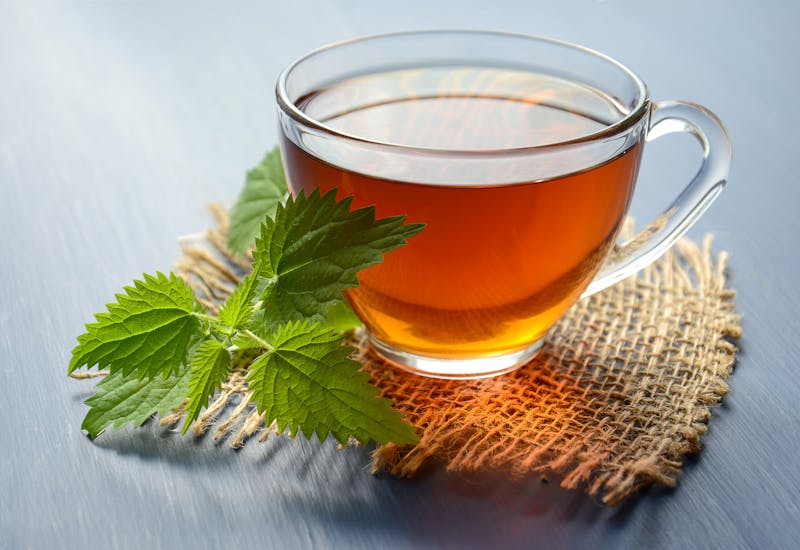
The Other Herbs I Love


Five years ago, I wrote about nine of my most cherished herbs. Now, I will list eighteen more.


Bhumi Amalaki: I previously wrote about herbs good for the liver, like kutki, eclipta alba and guduchi. Now I’ll add another ayurvedic herb, Bhumi Amalaki. This herb goes well with kutki, in rejuvenating a dying, fatty liver. In Peru, it’s known as chanca piedra — the stone breaker. If you want to protect your gallbladder from gallstones or surgery, think Bhumi Amalaki. It is also protective of the kidneys — removing excess oxalate crystals. These features will also relieve chronic abdominal pain and painful urination.

Bhumi Amalaki may also be useful for those suffering from diabetes, Hepatitis B, and HIV.

Other names: phyllanthus niruri, Bhumi amla


Jiaogulan: an herb originating from Southern China, this is known as the “Immortality herb”. People who drink this herb as a tea, seem to live longer, healthier lives. Containing 82 saponins called gypenosides, it is extremely useless for those with both pre-diabetes and diabetes. May also reduce visceral and subcutaneous fat.

Other names: Gynostemma Pentaphyllum, Southern Ginseng


Bitter Melon (Bitter Gourd): a bitter fruit very good for liver ailments, including fatty liver. Has a chemical that acts like insulin to help reduce high blood glucose level. May help ameliorate lipid disorders such as hyperlipidemia and normalize cholesterol numbers. Relatively high in vitamin A and C, which may help boost the immune system. Contains compounds that may lower high blood sugar markers, like fructosamine and Hba1c. Downside(s): extremely bitter and high in oxalates. Not suitable for pregnant or breastfeeding women.

Other name(s): Momordica charantia


Astragalus: this herb shares certain similarities with Jiaogulan — also sharing anti-aging characteristics, presumably by keeping the telomeres of cells healthy. Astragalus is famously known as a kidney cleanser, reducing protein loss, while increasing excretion of unwanted uric acid. This consequently improves blood pressure and heart function.


Andrographis: known as the “King of bitters” for a reason: because it is a very bitter herb. This bitterness helps make everything else sweet: improving arthritic conditions, such as osteoarthritis and rheumatoid arthritis. Its immune system regulator and strengthening abilities help improve many conditions: asthma, flu, common cold, bronchitis, COPD, COVID, TB, Lyme disease and even malaria. The key is to taking this herb at the onset of these conditions — preferably within 72 hours.

There is also credible evidence that andrographis may show improvement of the hard to treat inflammatory bowel disease Ulcerative colitis.

There is also credible evidence that this herb may show beneficial for certain cancers!

Other names: Andrographis paniculata, Green chiretta, Kalmegh


Pau d’arco: from the Amazon rainforest of South America and the inner bark of the tabebuia tree, while improving immune system function, this herb is famous for relieving candida overgrowth in women. Containing compounds known as naphthoquinones, it is known for being anti-inflammatory, antibacterial, antifungal, antiviral and maybe even anti-cancer!

Do not consume in high doses!

Other names: Tabebuia avellanedae, Taheebo and Lapacho


Neem: like andrographis, an extremely bitter herb from ayurveda. For temporary use only — may dry the body and skin. Not for pregnant or breastfeeding women, as may cause spontaneous abortion. Very antiparasitic, antiviral, antibacterial, antiseptic,  antifungal and anti infection. Purifies the blood and may reduce blood sugar.


Punarnava: like andrographis, may be good for Ulcerative colitis due to its anti inflammatory properties. May also be helpful for Irritable bowel syndrome (IBS). Literally meaning “the one that renews”, punarnava has a whole body cleansing effect, including as a diuretic. May also be helpful for weight loss and those with Rheumatoid arthritis.

Other names: Boerhaavia diffusa


African Geranium: from South Africa, very antibacterial and antiviral and proven exceptionally effective for upper respiratory tract infections: common cold, laryngitis (voice box), pharyngitis (sore throat), rhinosinusitis (sinuses); and even lower respiratory tract infections: acute bronchitis; tuberculosis.

Other names: Pelargonium sidoides, South African geranium, Umckaloabo (a brand name)


Mullein: like African geranium, helps with inflammation and infections of the lungs. As an expectorant, may reduce mucus. Very useful and effective for those suffering from sleep apnea. May also be helpful in treating other inflammation and infections throughout the body, including ear infections.


Pomegranate peel (organic): may be even more effective for heart conditions. Powerful polyphenol compounds called ellagitannins, punicalagins and anthocyanins may reduce inflammation throughout the body. These and other polyphenolic compounds may reduce blood pressure, plaque buildup and chest pain.

Other name(s): Punica granatum (peel)


Arjuna: from ayurveda and from the bark of the Terminalia arjuna tree, this herb contains triterpene glycosides that may improve heart function and reduce chest pain. Other compounds have been isolated like arjunetoside, oleanolic and arjunic acids, that may contribute to improvement of the left ventricle of the heart, thus improving blood flow throughout the entire body.


Dan shen: like Arjuna, a Chinese (TCM) herb that may improve heart function by reducing excess platelets in the blood. Excess platelets causes congestion in the blood and make blood flow harder. As a consequence of this herb, blood becomes thinner and blood vessels become wider. All of this manifests as reduced chest pain, blood pressure, heart attack and stroke.

Other names: Salvia miltiorrhizao, Chinese Red Sage


Hawthorn: like Dan shen, hawthorn is good for the heart. Flavonoids like rutin and quercetin may help heart muscle contract better, increasing blood and oxygen supply to the heart muscle. This may thus decrease chest pain or irregular heartbeat. May also be a credible option for those suffering from the beginning stages of heart failure.

The most effective part of this herb for improving heart conditions is the flowers. Leafs and berries can also be used but are less effective.


Blue Vervain: this is the herb for anxiety, depression and insomnia. Known for its calming effect on the nervous system, the verbenalin, an iridoid glycosides, in blue vervain may increase sleep onset and duration. One side effect may be strange dreams or nightmares.

Blue vervain may also be effective against epilepsy, including the classic tonic-clonic seizures.

Other names: Verbena hastata, American vervain

[Should not be confused with its sister plant, common vervain — the European plant version (aka Verbena officinalis).]


Dragon’s Blood: a natural red resin (from tree sap), often used in rituals, extracted from a variety of tropical trees called Dragon trees, primarily, Croton lechleri. Commonly used for digestive issues including internal ulcers. Has antimicrobial properties and can help heal receding gum if used as a mouth rinse. Also used for external ulcers, and other skin wound to accelerate healing. May reduce arthritic pain when used topically.

If used internally, for short term use only — about one week at a time.

Other names: Sangre de Grado


Persian Saffron: known as the sunshine spice and the most expensive spice in the world. Effective for anxiety and depression, this spice is known for providing relief of PMS symptoms in women, even by just inhaling the herb. It may also improve sleep quality, reduce cravings, and manage diabetes. May also lubricate sex organs and increase sexual desire.

Pregnant women should not use this spice!

Saffron has many fake competition, so it is important to do research to make sure you’re getting authentic saffron. Look for saffron from Persian or Iranian origin.

Even though saffron may show beneficial in tackling certain degenerative diseases, like Alzheimer’s and Parkinson’s, and also in certain cancers, it is important to remember that saffron is a spice, and should only be used safely in small amounts, at about 15 mg twice per day.

Other names: Crocus sativus


Fenugreek: like saffron, may also increase sexual desire in both sexes, by balancing hormones like estrogen and testosterone. May manage blood sugar and diabetes by slowing sugar absorption in the stomach and stimulating insulin more effectively. Increases milk supply in breastfeeding women. High in iron, excess may cause gastrointestinal issues.


Caution should be taken while using herbs with any medication, if pregnant or breastfeeding and two weeks before surgery. Typical side effects — though rare — may include: nausea, vomiting, dizziness, stomach upset, skin rash, anemia, constipation and/or diarrhea.


Crohn’s Disease: Trauma, Immunity, and a Holistic Healing Perspective


Crohn’s disease is a chronic form of Inflammatory Bowel Disease (IBD) characterized by deep, transmural inflammation that can affect any part of the gastrointestinal tract. Unlike ulcerative colitis, Crohn’s can involve the full thickness of the bowel wall and may lead to strictures, fistulas, obstruction, and malabsorption.

Modern medicine understands Crohn’s disease as a complex immune-mediated disorder influenced by:

  • Genetic predisposition

  • Immune dysregulation

  • Gut microbiome imbalance

  • Environmental triggers

Key inflammatory mediators include tumor necrosis factor (TNF-alpha) and interleukins such as IL-12 and IL-23. Conventional treatment often includes biologics, corticosteroids, and immunomodulators, which can be lifesaving in moderate to severe disease.

What follows is not a rejection of that model — but a complementary, integrative perspective based on physiology, traditional medicine, and my personal experience.


Trauma, Stress Physiology, and the Gut–Brain Axis

The gut and brain are deeply interconnected via the gut–brain axis, involving:

  • The vagus nerve

  • The autonomic nervous system

  • Cortisol and stress hormone signaling

  • Neurotransmitters such as serotonin

Chronic stress and trauma are not established causes of Crohn’s disease. However, stress is well documented to worsen symptoms and potentially trigger flares.

From a physiological perspective, trauma may influence:

  • Cortisol regulation

  • Immune reactivity

  • Gut motility

  • Intestinal permeability

Depression can feel like stagnation of the mind. In a holistic model, that stagnation may mirror slowed digestive motility or altered autonomic balance.

My position is not that trauma causes Crohn’s outright — but that unresolved stress patterns may amplify immune dysregulation and inflammatory cascades in susceptible individuals.


Immune Dysregulation and the Microbiome

Crohn’s disease involves inappropriate immune activation against intestinal microbes. Research shows:

  • Reduced microbial diversity

  • Altered bacterial populations

  • Decreased short-chain fatty acid production (especially butyrate)

  • Increased intestinal permeability

Some individuals also experience complications such as:

  • SIBO (Small Intestinal Bacterial Overgrowth)

  • SIFO (Small Intestinal Fungal Overgrowth)

Addressing microbial balance may be an important complementary strategy alongside medical care.


Bile Flow, Liver Function, and Digestive Efficiency

The terminal ileum plays a critical role in bile salt reabsorption. In Crohn’s patients with ileal involvement, bile acid malabsorption may occur. Gallstones are also more common in Crohn’s.

From a functional digestive perspective, impaired bile flow may affect:

  • Fat digestion

  • Nutrient absorption

  • Microbial balance

  • Stool consistency

While bile dysfunction is not considered the root cause of Crohn’s disease in conventional medicine, aggressively supporting bile formation and flow may assist digestive efficiency in certain individuals.

Traditional systems of medicine emphasize bitter and sour foods to stimulate digestive secretions, including bile.


Nutrient Deficiencies in Crohn’s Disease

Malabsorption and chronic inflammation frequently lead to deficiencies in:

  • Bioavailable iron

  • Vitamin B12

  • Folate

  • Magnesium

  • Zinc

  • Vitamin D

  • Protein

These deficiencies can worsen fatigue, immune imbalance, and tissue repair.

Any integrative approach should assess and address nutrient status.


Holistic and Traditional Support Strategies

The following approaches range from traditional use to emerging evidence to personal experience. They are not substitutes for medical care.


1. Dragon’s Blood (Tincture)

Used in Traditional Chinese Medicine for gastrointestinal irritation and tissue repair. Preliminary research suggests anti-inflammatory and antimicrobial properties.


2. DGL (Deglycyrrhizinated Licorice)

Taken before meals, DGL may soothe mucosal linings and support barrier integrity.

Personally, this significantly reduced my digestive irritation.

DGL is for temporary use only. Though it is a different form of licorice, it may still lower potassium status with continuous use and lead to high blood pressure.


3. Zinc (Preferably Food-Based or Well-Formulated)

Zinc plays a key role in intestinal barrier repair and immune function. Deficiency is common in IBD. Dosage and form should be chosen carefully.


4. Guduchi + Ginger + Turmeric (with Coconut Oil)

  • Guduchi (Ayurveda): immune modulation and liver support

  • Ginger: motility and anti-inflammatory effects

  • Turmeric (curcumin): studied for anti-inflammatory properties

This combination, especially when taken with coconut oil, has been one of the most effective interventions in my personal experience.


5. Wild Chaga Tea

Chaga contains antioxidants and trace minerals. Traditionally used to support immune resilience and cellular health.


6. Olive Leaf Extract

Traditionally used for antimicrobial support. May assist in microbial balance, though resistance patterns and long-term effects are still being studied.


7. Sunlight, Vitamin D, and Circadian Rhythm

Vitamin D deficiency is common in Crohn’s disease.

Moderate sunlight exposure may help support:

  • Vitamin D production

  • Circadian rhythm alignment

  • Mood regulation

Serotonin is largely produced in the digestive tract. Sleep-wake cycles influence serotonin and melatonin balance. My personal theory is that disrupted sleep timing may interfere with optimal neurotransmitter cycling, potentially affecting mood and digestive regulation. This hypothesis requires further research but emphasizes the importance of proper sleep hygiene.


8. Vegetables and Phytonutrients

Cooked vegetables such as:

  • Watercress

  • Bok choy

  • Yu choy

  • Asparagus

  • Red cabbage

  • Parsley

  • Daikon radish

  • Kohlrabi

  • Bitter melon

provide compounds that may support detoxification pathways and immune balance.

Bottle gourd (calabash) is praised in Ayurveda for soothing digestive inflammation.


9. Sour and Bitter Foods

Granny Smith apples and bitter melon may stimulate digestive secretions, including bile flow. Bitter melon, however, is not recommended for pregnant or breastfeeding women.


10. Dietary Avoidance (Individualized)

Common irritants may include:

  • Highly processed foods

  • Industrial seed oils (canola, soy, corn, safflower)

  • Alcohol

  • Certain dairy products

  • Highly refined sugars

Tolerance varies between individuals and between flare and remission phases.


11. Coffee Enemas (With Caution)

Organic, medium roast coffee beans: used in some detox traditions rectally (as cooled tea), to ultimately stimulate bile flow. However, risks include electrolyte imbalance and infection. This practice is not widely supported by mainstream gastroenterology and should only be considered with medical guidance.


12. Digestible Oils

Coconut oil (rich in medium-chain triglycerides) may be easier to digest for some individuals. Extra virgin olive oil may also be tolerated.

Highly processed vegetable oils may promote inflammation in susceptible individuals.

Coconut oil and extra virgin olive oil should not be used for high heat cooking — only light cooking or raw. For cooking over 375°F, peanut oil would be an ideal choice.


Flares vs. Remission

Management differs depending on disease phase.

During acute flare:

  • Low-residue or gentle foods may be necessary

  • Medical supervision is critical

During remission:

  • Microbiome rebuilding

  • Nutrient repletion

  • Stress regulation

  • Gradual dietary diversification


When to Seek Immediate Medical Care

Seek urgent medical evaluation for:

  • Persistent rectal bleeding

  • Severe abdominal pain

  • Signs of obstruction

  • High fever

  • Rapid weight loss

Crohn’s disease can become life-threatening if complications develop.


Personal Reflection

I do not claim that these strategies cure Crohn’s disease. Rather, I believe that addressing:

  • Immune balance

  • Microbial ecology

  • Bile efficiency

  • Nutrient sufficiency

  • Stress physiology

  • Sleep regulation

together may help reduce symptom burden and support resilience.


Final Perspective

Crohn’s disease is a serious immune-mediated condition requiring medical oversight. Integrative strategies may complement — not replace — appropriate treatment.

This article reflects a holistic, physiological, and experiential perspective intended to broaden the conversation, not close it.


Edited or assisted by AI tools.

Oral Hygiene: How to Obtain and Maintain It


What causes cavities in our teeth? Is it bad bacteria? No, bad bacteria only show up after the crime scene. Then what is it? It’s our oral pH. That’s right! If our mouth is too acidic, then that changes the natural environment our teeth and gum need to thrive in. Consequently, if it’s too alkaline, then that gives way for destructive bacteria to thrive in, and once again turn its environment acidic also.

Are your teeth decaying? Are you considering a root canal? If you are, then know this: your blood is full of destructive bacteria! To prove this, then just do this: get olive leaf extract in tincture form and use it according to the label instructions. I can assure you by a few hours, you will feel as if you are sick, with a cold or something, even a sore throat maybe. This sick feeling — you probably know — is actually a good thing. It is only temporary. It’s called the Herxheimer reaction. It is the mass destruction of bad bacteria in the blood that the stomach and liver could not have neutralized.
To change the environment of your mouth to a neutral— not too acidic, not too alkaline — to prevent tooth decay, to reverse tooth decay, and gum disease, there is an old ayurvedic method that has been practiced for thousands of years: Oil pulling (a.k.a. oil swishing).
Oil pulling as we know it in the U.S.A don’t work. It uses the least effective kind of oil — coconut oil — and for too long: 20 minutes. Flossing too can be dangerous, and using a hard toothbrush can also be too abrasive . What will work?

1.  Unrefined, organic, cold-pressed (or expeller-pressed) sesame oil, first thing in the morning before you eat anything. Slowly swish one (1) tablespoon of this for no more than 3 minutes. Then spit out and (optional) rinse your mouth with salt water. Repeat if desired. Then brush teeth with (toothpaste and) a soft/medium bristle toothbrush.

2.  Wheatgrass (juice) powder, 1/4 teaspoon in 1 ounce of water — also for 3 minutes. This is many times more effective than coconut oil pulling; providing ideal pH for oral bacteria.

3.  Food-grade hydrogen peroxide (3 percent), 1/8 teaspoon in 1 ounce of water. Swish for 10 seconds, then spit out! I recommend you do this on a restricted bases, being that hydrogen peroxide kills both bad and good bacteria in your mouth. You need those good bacteria as much as you don’t need the bad ones. So I recommend hydrogen peroxide use only once or twice per month. Don’t even breathe in bottle when you open. AVOID the 35 percent hydrogen peroxide: it is too concentrated and (in my opinion) dangerous.

You should also spray your toothbrush with hydrogen peroxide each time before and after brushing teeth, as toothbrushes harbor a plethora of bad bacteria!

Instead of flossing, use a (quality brand) waterpik.

So, after swishing (sesame oil or wheatgrass) slowly for 3 minutes, spit out. Do not swallow either the sesame oil, wheatgrass mix or hydrogen peroxide. They will be filled with bacteria. Only 3 to 4 minutes is necessary. (Ten seconds is enough for the hydrogen peroxide.) Any longer will make the bacteria reabsorb back into your blood, teeth, etc. So, sesame oil in the morning, wheatgrass in the afternoon, and hydrogen peroxide once or twice per month is how I would do it. Or just choose one product of the three choices only — my personal favorite is the sesame oil swishing, followed by the wheatgrass juice mix.

Also, if your teeth is bad, your stomach, liver and blood are toxic because of toxins and nutritional deficiency. Your mouth depends on a healthy stomach to work properly. Think of your mouth as the door to a cave, the teeth are the gate,  and the esophagus and rest of the digestive system are the pathway within that cave. The exit to the cave is the anus. To keep bad things from backwashing into the entrance area (the mouth) or gate area (the teeth), we need everything else to be working properly. Use Icelandic sea kelp for your micro nutrients and wild chaga tea for your macro nutrients. And as previously mentioned, use olive leaf extract occasionally to destroy excessive bad bacteria.


In our effort to perfect oral health, we often overlook gum health. There are two diseases mainly associated with the gum. The first is caused by the build up of plaque, that then leads to the formation of a hard structure called tartar. That disease is called gingivitis! Gingivitis is inflammation of the gum. If gingivitis is not treated, it leads to the second gum disease, known as periodontitis! This second disease not only affects the gum, but also the bone structure that holds the teeth in place.

Plaque by itself is not a bad thing. It would be a terrible idea to try to continually eradicate all plaque from your mouth by using something like xylitol gum, or hydrogen peroxide, all the time. We need plaque to:

  • Provide nutrients to teeth
  • House friendly bacteria which create a proper pH of no less than 5.5 (ideally 6.9) for the mouth
  • House friendly bacteria which create their own hydrogen peroxide to drive off bad bacteria.

Plaque is only dangerous when it increases to a level intolerable for healthy teeth and gum.

To maintain proper gum health, consider a tree sap product known as:

  • Dragon’s blood (tincture).

This product will help heal receding gum that may lead to gingivitis. Add the tincture to the gum area for 30 seconds or 60 seconds. It will produce a feeling in your mouth that takes time to get use to.

To maintain proper plaque levels on the teeth or to reduce excessive plaque, consider

  • vitamin K2 MK-7, in its trans form.

This will help remove excess plaque from teeth and gum area.

To prevent gum bleeding, natural vitamin C is the remedy for that. Try

  • Amla or Acerola

So in summary, for proper oral hygiene, try:

– Unrefined, organic, cold-pressed, sesame oil (3 minutes swishing) first thing after waking up

– Wheatgrass (juice) powder (3 minutes swishing)

– Food-grade hydrogen peroxide/3% (10 seconds swishing). For short-term use only!

– Dragon’s blood tincture (30 seconds to 60 seconds swishing)

– Vitamin K2 MK-7 in its trans form. Ingest.

– Natural Vitamin C: Amla/Acerola

– Also consider ingesting icelandic sea kelp, wild chaga tea and olive leaf extract for digestive health; spray your toothbrush with hydrogen peroxide before each use, and use a quality brand waterpik instead of a regular tooth floss.