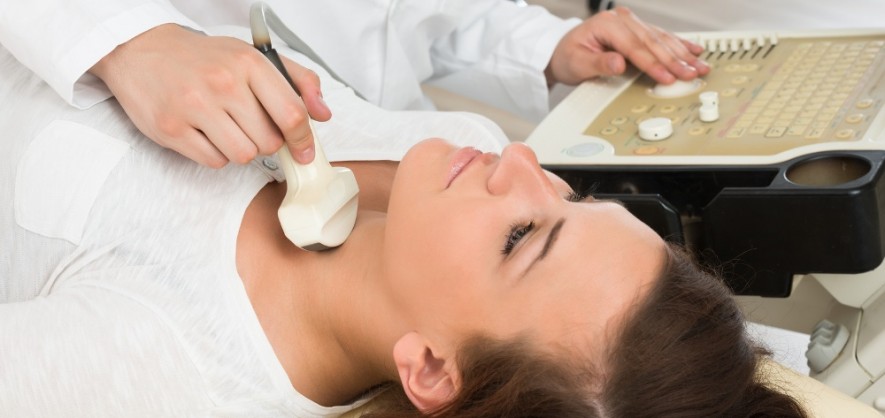
Hypothyroidism is an under-active thyroid condition, resulting in the thyroid gland not producing or converting enough thyroid hormones. This results in familiar and characteristic symptoms, often striking older women. The condition is said to be autoimmune if it is not resolved by iodine or selenium or any other mineral sufficiency, or if these mineral-increase causes swelling and further irritation on the thyroid. The supposed autoimmune condition of hypothyroidism is known as Hashimoto’s thyroiditis. Most hypothyroidism is elevated to the level of Hashimoto’s (9:1). Here we will discuss what is believed to be the true cause of this and that condition, and the protocol needed to correct it, including supporting the liver, kidneys, lymphatic system and adrenal glands, while also supplementing on critical nutrients that had consequently been depleted.
We have hypothyroidism and/or Hashimoto’s also because we are internally inflamed and clogged with undigested protein in the vessel walls of our capillaries. Our lymphatic system becomes clogged by this build up of excess proteins — polluting the blood and affecting the sensitive thyroid. An ayurvedic herb however called manjistha will help unclog it — thus assisting and allowing proper thyroid function again. This is truly great news!
When antibodies attack the thyroid, then hypothyroidism is now officially called an autoimmune disease — Hashimoto’s. Hashimoto’s indeed should not be labeled as an auto-immune disorder, as is widely accepted — but more accurately as an adrenal dysfunction. The thyroid makes only two TRUE hormones, while the adrenals make at least 50. The adrenal glands are in control of the immune system. If there is something wrong with your immune system, then there is something wrong with your adrenal glands. The adrenal glands consist not only of the two things on top of your kidneys — it consists of your entire skin structure. Your skin cells ARE your adrenals!
If you have developed hypothyroidism or Hashimoto’s, you surely are low on vitamin A, a.k.a. retinol. This is a vitamin that is adequately stored in a proper functioning liver, and acts as a hormone. Thus a vitamin A deficiency may indicate liver dysfunction. This vitamin A is carried by a transport protein called transthyretin (TTR). This protein also carries T4 — the near inactive hormone made by the thyroid — a.k.a. thyroxine. If there is no vitamin A (retinol), then there may be also low or no proper T4 transportation, either from TTR damage or nutrient deficiency. Then there may be no bio-available conversion of T4 to the very active T3! To improve bio-available retinol in the blood, we need it from our diet. Grass-fed butter and grass-fed/grass-finished liver will actualize this process. So will a fruit like persimmon. Carrot(s) because of its beta carotene content, which converts to a smaller percentage of retinol in the body, is another option. So will sweet potato, and malabar, a.k.a. saan choy (an oriental leafy green). Our adrenals also love retinol.
And what else does our adrenals like? Natural vitamin C — lots of it. Natural vitamin C also has a transport protein, called tyrosinase, which carries numerous molecules of bio-available copper. If you want to feed your adrenals, then give them amla or acerola berry: all sources of natural vitamin C.
Another best thing that our adrenals like is the natural B vitamins. Bee pollen contains all the natural B vitamins your adrenals need, especial vitamin B5, which your adrenals really love. (Taste-test to make sure you’re not allergic to it though.) Bee pollen also contains bio-available copper.
Contrary to popular belief, we do not need as much vitamin D as you may think. 60-80 ng/ml of vitamin D is actually too much. Too much vitamin D creates massive amounts of hydrogen peroxide. Though hydrogen peroxide is a free radical that is needed to a certain degree, too much of it will damage your cells. A vitamin D level of 32 to 45 nanograms per milliliter is actually ideal
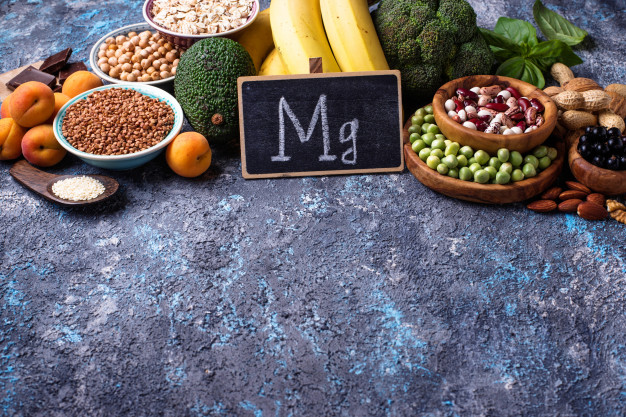
In dealing with inflammation, the internal body loses one mineral faster than any other — even by something as simple as stress — yet that mineral is arguably the most important: that mineral is called magnesium. When magnesium leaves, it takes other minerals like potassium and copper with it. Magnesium is like the glue that keeps all the other minerals in place and together. A loss of magnesium will eventually create an inferno of inflammation throughout the body. Not only do you need to replace magnesium daily — it must also be absorbable. If magnesium oxide or magnesium carbonate comes to mind when you think about replacing magnesium, you are sadly mistaken. The absorption rate of these forms of magnesium is pathetically low: 4% or less. Consider instead magnesium glycinate/malate/taurate/citrate.
Vitamin B6, in the form of P5P, further increases magnesium absorption throughout the body on a cellular level. So does healthier salts, namely, Kosher salt (Diamond crystal) or Pickling salt.
If there is inflammation anywhere in the body, there is almost always an ample supply of iron — but not just any iron: destructive, unbound iron, rusting the targeted tissue area. If iron is not attached to hemoglobin or whatever else it should be attached to, it roams freely, causing chaos and inflammation. The thyroid appears to be one of unbound iron’s favorite target. To reduce hypothyroidism\Hashimoto’s, a protocol to reduce this form of iron must be implemented. Consuming the vitamins and other supplements previously mentioned, in their natural form, would be a way to turn unbound iron back into useful iron, your body can absorb properly. Another way is to take IP-6 on an empty stomach, away from food and other supplements. IP-6 is known to chelate iron, along with zinc and calcium out of the body. So naturally, you would want to consume foods with more zinc and calcium during this process.
If you have the condition listed in this article, you may consider stop taking medications, and consider the natural route. Medication has a tendency to make things feel better temporarily, while making thing worse permanently. As a start, consider:
- A quality brand iodine supplement, like Icelandic Sea Kelp, or a natural selenium supplement like Food Research Selenium E, and note if the condition was caused by any of these popular mineral deficiencies. Otherwise, add:
Healing herbs:
- Kutki, guduchi and/or burdock root for the liver
- Astragalus and dandelion root for the kidneys
- Manjistha for the lymphatic system
Nutritional Support:
- Grassfed butter/liver: (liver should be no more than one ounce per day, or 7 ounces per week.)
- Persimmons, carrots (not too much though), sweet potato (not too much though), malabar a.k.a. saan choy (not too much though): all of these contain high beta carotene which can convert to retinol.
- Natural vitamin C (amla, acerola berry)
- Bee pollen
- Magnesium (glycinate, malate, citrate, taurate)
- P5P
Reducing Excess, Unbound Iron:
- IP-6 on an empty stomach
(Note: IP-6 depletes certain other minerals, like zinc. So be sure to increase sources of this and other minerals and vitamins.)