Histamine Intolerance Defused


Do not be fooled — our body needs histamine.  We need histamine to help secrete stomach acid, to contract the lungs, gut wall and uterus, to dilate blood vessels so as to manage blood pressure and nutrient distribution. Histamine is involved in the sleep-wake cycle, to keep us up and alert. We also need histamine to act as a neurotransmitter [message communicator] for the brain and to improve all brain function. And we need histamine to activate and regulate the immune system to facilitate tissue repair and wound healing. Histamine is like a fire — the problem with it though is when it is lacking its deactivator, such as DAO and HNMT enzymes, to out the fire. Here, we will discuss the bad and the ugly of this histamine intolerance. We will also discuss the ways to put out the fire.

Histamine is a neurological messenger that awakens your immune system. It reacts to infections and pathogens first, then tells your immune system to do something. How does it work? It alerts cells responsible for distributing water throughout the body of places where there is dehydration. It does this by raising the temperature of the certain region\tissue, thus causing heat and regulated inflammation. This regulated inflammation then causes the body to rush water/hydration to the infected area. Thus you may develop diarrhea if it’s in the colon, runny nose if it’s in the sinuses, and swelling of the brain (aka migraine) if it’s in the head. Being histamine causes dilation of the blood vessels, you may also develop flushing, skin rashes; and also other unspecified uncomfortable reactions, such as gastrointestinal issues and irregular periods.

There may be no such thing as histamine intolerance. The body loves histamine, and could not survive without it. Calling it histamine intolerance is like calling too much water in the body “water intolerance”. What it really should be called is histamine overload or histamine dysregulation. After histamine is activated, certain enzymes are suppose to clear it out (DAO, HNMT, MAO) to prevent it from building up. DAO works extracellular with minerals to clear excess histamine from food and the tissues. HNMT works on an intracellular level, clearing histamine that the body produces from within the cells. MAO may work as a backup to the HNMT enzyme. When these enzymes are defected, then histamine overload or dysregulation is the result.

But where does histamine comes from?

Histamine is found ready-made in certain foods or is created from an essential amino acid also obtained through the diet called histidine, to create L-histidine. This histamine is then formed and stored in a type of white blood cell called mast cell, found in tissues. It is also stored in another type of white blood cell called basophil, found in the blood. These mast cells are found in connective tissues throughout the body and awaken to allergens, infections or tissue damage. When these mast cells burst, they release their capsule-like, granule-filled content, including: tryptase, heparin, cytokine and histamine.

The three main causes of histamine to be overly-activated in the body is most likely from:

1. chronic dehydration

2. toxins building up 

3. pathogenic proliferation.

Causes of chronic dehydration may be from:

➡️ Kidney malfunction, not excreting metabolic waste, causing excess chloride production. This may be due to inadequate potassium and magnesium in the cells and excess sodium outside of the cells, causing a loss of both intracellular and extracellular fluid. This then causes widespread dehydration throughout the body, including mineral loss

➡️ Kidneys, small intestine and thymus THEN does not produce enough DAO to clear out excess histamine

Causes of toxins building up may be from:

➡️ Fatty liver, accumulating stones, thus unable to clear out toxins. Then cholesterol gets stuck in the liver from a lack of hydration, and from a lack of the hydrating fluid bile. This then causes gallstones to develop, congesting the gallbladder.

Causes of pathogenic proliferation may be from:

➡️ Heavy metal toxicity within all systems, especially unbound iron, aluminum, mercury and lead, providing a feeding ground for bacteria from food and within the gut

Thus we develop an overproduction of hydrogen peroxide, which creates more inflammation and a sensitivity to certain high histamine (or histamine liberator) foods, including those susceptible to bacteria:

➡️ Eggs

➡️ Dairy (such as milk and aged cheese)

➡️ Fermented foods, such as sauerkraut, kombucha and kefir

➡️ Certain fruits like avocado, tomato, eggplant, strawberries, citrus, kiwi, banana, pineapple, papaya and even dried fruit

➡️ Certain vegetables, like cauliflower and spinach

➡️ Certain grains, seeds and beans, like corn, peanuts, kidney beans and soy

➡️ Leftover food

➡️ Spoiled seafood like fish

➡️ Alcohol such as red wine and beer

In fact, many people who suffer from small intestinal bacterial overgrowth (SIBO) may actually be suffering simultaneously from histamine overload,  causing a rise in hydrogen dominant SIBO from excess hydrogen peroxide production. This is because SIBO consumes the DAO enzymes layered on the intestinal wall, causing the inevitable proliferation of histamine.

Taking antihistamine (H1 and H2-receptor antagonists) stops the inflammation caused by histamine, which if done habitually, may be a dangerous thing. If your body wants something to be inflamed, it is doing so for a good reason. Stopping that process may lead to malignancy in the years to come. Antihistamine also causes dehydration, including drying of the mucus on the  membrane — the very thing histamine is trying to correct. Another reason is that antihistamines (particularly first generation) make us drowsy because histamine is involved in the sleep-wake cycle, and depleting histamine in the brain by taking antihistamine, disrupts that process.

Natural antihistamines include stinging nettle and food-source quercetin.

So what will defuse histamine overload?

The number one reason why histamine is activated is because of dehydration and a lack of supporting nutrients. Simply hydrating properly with the right minerals and vitamins should correct the symptoms quickly. But there may be other issues, such as liver congestion, toxins and bacterial proliferation. These other issues will take time to correct.

Being that histamine raises inflammation, that means the body is low in certain minerals and vitamins, like magnesium and vitamin B6 (P5P). Vitamin B6 is an important co-enzyme of the DAO enzyme. It also increases magnesium’s absorption into the cells. Magnesium helps do the job for histamine without the need of raising histamine, like widening blood vessels, to remove toxins and increase nutrient absorption. Furthermore, other food sources high in the other B vitamins help P5P do its job better. Natural vitamin C found in acerola or amla will also speed up internal healing of damaged tissue; and it contains copper too, which is a fantastic healer of damaged cells.
To clear the body of excess toxins, you may try IP-6 with inositol, along with a good brand of modified citrus pectin, in the morning on an empty stomach, or at night, on an empty stomach, away from food, for a few weeks or months. (IP-6 should be used with care. Modified citrus pectin binds to toxins, and takes them out of the body, through the intestines.)
To help speed up healing of the liver, Bhumi amla and kutki will do the trick.
You may also try DOA enzyme supplements, 15 minutes before meals, to deactivate histamine overload.

So in summary, to fix histamine overload, try:

➡️ Drinking more nutrient dense fluid such as pure, sugarfree coconut water, or mineral water such as spring water

➡️ Magnesium (glycinate/malate/taurate)
➡️ Vitamin B6: P5P
➡️ Natural B vitamins: Organic bee pollen/Nutritional yeast
➡️ Natural vitamin C: Acerola or amla

To remove toxins, try:

➡️ [IP-6 with inositol

➡️ modified citrus pectin, (such as Pectasol) on an empty stomach, away from food, day or night]

To decongest the liver and gallbladder, try:

➡️ Bhumi amla

➡️ Kutki

To deactivate histamine overload, try:

➡️ DAO supplement

To help eliminate pathogens, try:

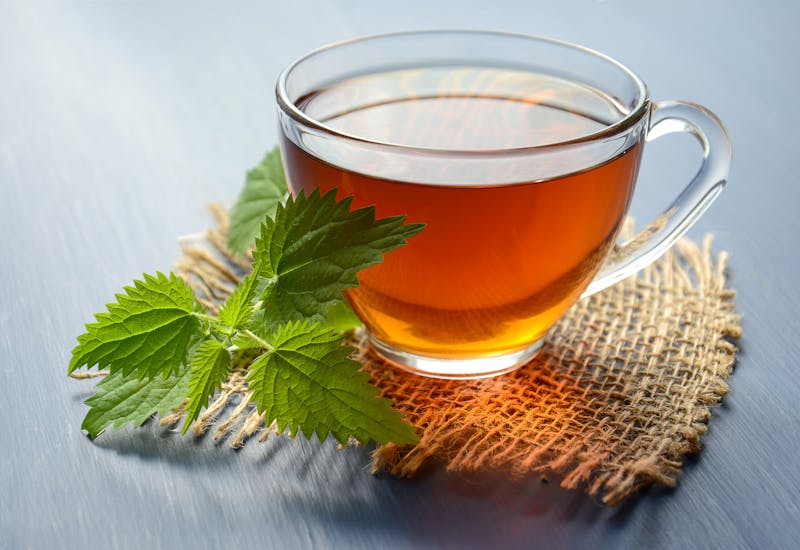
➡️ Organic Pau darco (tea) — inner bark only

➡️ Avoid spoiled or leftover food

Additionally, you may try:

⏺ one ounce of grass fed kidney and liver (from chicken or beef) per day for the DAO, vitamin A and copper content.
⏺ pycnogenol to distribute fluid evenly throughout the body
⏺ Natural antihistamines include stinging nettle and food-source quercetin.

Safest, Most Nutritious Foods


Many health-conscious people deciding to give up on junk food and eat healthily, with fruits and vegetables and other things, like nuts, suddenly realize their health condition has gotten worse. How could this be? We are told to eat our leafy greens if we want to stay heathy! The problem is though, not all leafy greens and root vegetables are healthy for our biological constitution. While vegetables like spinach, swiss chard, collard greens and nuts like almonds and fruits like raspberries and tubers like cassava may show no physical signs of distress for some people, to others who are sensitive to oxalates, and other things — these foods are a no no. In this article, I will go over in detail the safest, most nutritious foods to eat that are associated with minimum complications. And I will specifically list the few dozen foods from around the world I think are the best at re-mineralizing and re-invigorating the human body — and they may not be what you think!

There are many defense mechanisms that plants produce to protect themselves against predators — including we, the human predator. These include antinutrients such as goitrogens, found in cruciferous foods like kale, broccoli, Brussels sprouts and cabbage; lectins, mostly found in legumes, whole grains, tomatoes and eggplants; phytates (phytic acid), mostly found in whole grains like oats, seeds like peanut and sesame, and legumes and nuts; gluten, found mostly in wheat products like bread, cereals, baked goods and pasta; tannins, mostly found in tea, coffee and legumes; saponins, found in legumes and whole grains, and salicylates, found sporadically in certain vegetables, like broccoli, radish and sweet potato, and in certain drinks, like beer, and fruits, like berries, cucumber and tomato– but the biggest and most debilitating offender of all these plant defenders is probably oxalates, found abundantly in some leafy greens, nuts, fruits and beans, like soy! Most of these anti-nutrients can mostly be destroyed by cooking, sprouting or fermenting these foods — with few exceptions! Oxalates, for example, are not only antinutrients — but exist in different forms (like soluble and insoluble) and are stone-formers, binding with calcium, and even magnesium, potassium or iron; and settling in the kidneys and even all throughout the body, turning the human body into stone!

While goitrogens are associated with iodine malabsorption, thus interfering with thyroid function, lectins, phytates, saponins and tannins are associated with  calcium, magnesium, iron, phosphorus, and zinc malabsorption, leading to a deficiency in these nutrients. Gluten, a sticky protein complex — though not usually associated with healthy foods — can severely damage the villi of the small intestines, leading to SIBO, bloating, leaky gut and other digestive issues; while salicylates are associated with itching, inflammation and asthma-like symptoms. Lectins will simply make all gastrointestinal issues worse. Tannins are specifically associated with iron malabsorption, while oxalates are specifically associated with especially calcium, then magnesium, phosphorus and potassium malabsorption. Why is that bad? It is because calcium is the most abundant mineral in the human body, and can thus be the most destructive mineral if not being absorbed properly. When calcium separates from our bone and teeth, it can act like little stones, ravaging throughout our vascular system, causing chaos.

These disclosures may bring a bit of joy, or guilty pleasure, to those who live or want to continue to live on unhealthy junk foods; but that would be like choosing injury by the left blade or the right blade of a double-edge sword. If you desire to live a long and healthy life, you must be wise and careful in choosing the best foods for your biological constitution and the organs that depend on them.

When I say be wise in choosing the best foods for your biological constitution,  we must understand that everyone is different, and wired differently.  Some types of food may be a lifesaver to one person, while that same food may be hellraiser to another. In ayurvedic (Indian) medicine, there is a system of constitution-determination called the doshas, which uses the concept of the elements of air, space, fire, water and earth to determine one’s disposition: mentally, physically and emotionally. The doshas combines these elements to produce a division of three characteristic groups: Vata, Pitta and Kapha. It is not an exact science in the least, but Vata dosha characteristically tends to be thin built and light, dry skinned, always feels cold, hates cold, loves change, restless and moves like the wind; Pitta dosha is competitive, medium built, naturally strong (muscular), impatient, jealous and fiery (many are redheads); Kapha is grounded, calm, needs to be pushed, is allergy prone, holds water and tends to gain weight easily. Using this as a guide, you may determine your own disposition and sensitivity to foods. If you are the Vata type, you probably do better with cooked, heavy foods, with healthy oils. Vata should also keep hydrated since they are prone to constipation. If you are Pitta, stay away from caffeine, fermented and spicy foods. Pitta needs protein rich food like taro, black beans and scallops. Their acidic constitution allows them to tolerate certain raw salads, like asparagus, watercress and arugula. If you are Kapha, you may need less animal protein and more plant protein. Kapha should also eat energizing foods high in copper, B vitamins and phosphorus. These include daikon radish, taro, asparagus, crimini mushrooms, black beans and scallops. They should avoid excess sweets and excess wheat products, being these foods foster weight gain.

So here is a comprised list of the safest, most nutritious food observed and borrowed from around the world that is agreeable with and beneficial to most people; keep in mind that food is eaten for pleasure, satisfaction and health — the latter often being ignored:

Japanese most healthy foods:

01. Daikon radish: most popular vegetable in Japan — high in protein and enzymes to digest complex carbohydrates, fats and other proteins. A great detoxifying vegetable, including a diuretic to flush out toxins. Contains a compound called glucosinolates, which breaks down to form isothiocyanates, which may provide powerful cancer fighting properties. May also help with weight loss. Don’t peel the skin. Downside(s): too much may be goitrogenic

02. Japanese persimmon: national fruit of Japan. Full of carotenoids, including beta cryptoxanthin, which may improve eye health. Contains a compound called fisetin, that may help reduce oxidative stress, improve brain function and fight cancer. Downside(s): high in tannins

03. Natto: a fermented soybean product high in both vitamin K1 and K2. High also in manganese, iron, copper, fiber, probiotics and a unique powerful enzyme called nattokinase, which may dissolve blood clots. Thins the blood by its ability to break down fibrin — the protein that forms during blood clotting. May help fight heart disease and certain cancers. Downside(s): an acquired taste, pungent odor, caution if on anticoagulants

Chinese most popular foods:

04. Bok choy: a cruciferous vegetable that contains phytonutrients — like the sulphur containing compounds glucosinolates, which convert to isothiocyanates — that may reduce cancer risk even if consumed just once per week. A moderate yet balanced source of carotenoids, vitamin C, folate and vitamin K. May assist with thyroid function, heart and bone health. Downside(s): too much (uncooked) may inhibit iodine absorption and affect thyroid function 

05. Taro: a root vegetable that improves digestion. Good for bowel disease,  creates short chain fatty acids that restores colon health. Also contains fiber and resistant starch that may help reduce excess weight. A good source of protein. May improve blood sugar levels. Also contains compounds called polyphenols  — particularly quercetin — that may help fight against certain cancers. Downside(s): may be high in calcium oxalates

06. Adzuki bean: contains dozens of antioxidants, making them one of the main antioxidant rich food in the world. Soaking/sprouting/fermenting them makes nutrients more bioavailable. May be good for blood sugar by improving insulin sensitivity.  May reduce high triglycerides and reduce excess LDL particles. Contains short chain fatty acids, fiber and resistant starch beneficial for colon health. May also improve kidney function.

07. Durian: the king of fruit in Southeast Asia: scary looking, though one of the most nutrient dense fruit in the world; loaded with B vitamins for energy, purifies the blood and helps make red blood cells. Contains cancer fighting antioxidants. Good for the heart, the gut and pregnant women. Downside(s): pungent odor. Do not consume with alchohol 

08. Mangosteen: known as the queen of fruit in Asia: contains a unique class of antioxidant compounds known as xanthones, which may help fight cancer and other ailments, such as chronic inflammation and diabetes. May also protect against UV damage. Downside(s): excess amounts may lead to internal bleeding. Previously banned because of concerns they would introduce an agricultural pest — the fruitfly — to other countries 

09. Bitter Melon (Bitter Gourd): a bitter fruit very good for liver ailments, including fatty liver. Has a chemical that acts like insulin to help reduce high blood glucose level. May help ameliorate lipid disorders such as hyperlipidemia and normalize cholesterol numbers. Relatively high in vitamin A and C, which may help boost the immune system. Contains compounds that may lower high blood sugar markers, like fructosamine and Hba1c markers. Downside(s): extremely bitter and high in oxalates. Not suitable for pregnant or breastfeeding women

Germany’s favorite vegetable:

10. Asparagus: an incredible detoxifying vegetable — high in the antioxidant glutathione and an alkaloid chemical called asparagine, which may help to detox ammonia from the liver. High in a saponin called protodioscin, which supports ovarian health, increases testosterone production and maybe libido. Particularly high in B vitamins, zinc, selenium,  vitamin K and E. May help lower high blood pressure. Contains soluble and (mostly) insoluble fiber and may help burn fat, promote weight loss and alleviate urinary tract infections. A prebiotic called inulin may support gut health. High in the flavonoids quercetin and kaempferol, which may reduce inflammation and help fight cancer. Downside(s): detox may cause urine to have a strong odor for a short period of time. Some people may have an allergic reaction to asparagus due to certain proteins in the vegetable 

My observed other favorites:

11. Cucumber: keeps cells hydrated (a common health issue) and simultaneously flushes out toxins. Helps with digestion, reduces bad breath and contains chemicals that may help fight cancer. Buy organic and eat unpeeled. Downside(s): Producers often add wax to cucumbers and other produce to conserve moisture and keep a fresh look

12. Scallops: high in iodine, and choline, which makes it good for the liver. Also impressively high in phosphorous to boost energy production and metabolize B vitamins. Also high in vitamin B12. Should be eaten sparingly  — about twice per week. Downside(s): relatively low in mercury but may be high in cadmium

13. Watercress: the CDC has crowned watercress as the healthiest food in the world —  a cruciferous which contains naturally occuring nitrates that may lower blood pressure; one of the best detox vegetables — has dozens of unique flavonoids. Helps heal injuries and support collagen production. May improve athletic performance. Good for the eyes. High in Vitamin K1. Compounds called glucosinolates which convert to isothiocyanates may help protect against cancer

14. Sardine: Extremely nutrient dense — one of the few foods naturally high in vitamin D. Also high in calcium, niacin, phosphorous, selenium, and vitamin B12. A good source of protein, which is needed for enzymes and hormonal production. Is like a multivitamin — good for the brain, and when included with the bone, high in calcium.  Downside(s): May be high in purines, that may cause a rise in uric acid. Extremely high uric acid can lead to gout

15. Sunflower seeds: may look like an unimpressive source of nutrition, yet one of the few and best sources of vitamin E. Roasting can dramatically reduce vitamin E content by about 80 percent though. Also high in biotin, vitamin B1 and B5. Vitamin B5 helps with the production of the powerful hormone melatonin. Also relatively high in magnesium, vitamin B6, potassium,  selenium and copper. Consume in small amounts. Downside(s): High in cadmium 

16. Oats: [ridiculed by many respected doctors and nutritionists as a bad source of healthy foods, but oats processed properly is an extremely healthy food source.] High in many antioxidants,  including one called avenanthramides — almost solely found in oats. This helps increase nitric oxide, thus widening blood vessels and leading to better blood flow. May then protect LDL particles and cholesterol from oxidation. Very high in manganese. Also reasonably high in chromium, phosphorous,  molybdenum, copper, zinc,  thiamine and the very powerful hormone melatonin. Contains a soluble fiber called beta-glucan — well known for boosting and strengthening the immune system. Particularly effective at reducing excess LDL particles and their cholesterol. Must be organic: Bob’s (Red Mill) Oats and GlutenFreeOats. Downside(s): may be cross-contaminated with gluten; may also contain avenin — a protein similar to gluten 

17. Papaya: a low sugar fruit, which contains a unique enzyme called papain. This enzyme helps break down the tough protein chains in muscle meat. Papaya creates better absorption of nutrients more so than other fruits and vegetables. May be good for IBS and other digestive issues. High in vitamin C and carotenoids,  like beta-cryptoxanthin and especially, lycopene, which may demonstrate anticancer activities. May be good for the heart, the pancreas, blood and Alzheimer’s disease. Downside(s): must be consumed away from other foods; may be a histamine liberator 

18. Crimini mushroom (Agaricus bisporus): these mushrooms — a form of white button mushrooms  — contain bacteria that may help improve digestion. Contains carbohydrates like chitin, beta-glucan, alpha-glutan, xylene and hemicellulose that acts as prebiotics for the gut. Exposing them to sunlight increases vitamin D content. High also in copper, selenium, potassium, vitamin B2, B3, B5 and B7. Contains the unique selenoamino acids and selenoenzymes to fight inflammation. Also contain the amino acid and antioxidant ergothioneine, that may be powerful enough to fight cancer. Also contains conjugated linoleic acid (CLA) — a type of fatty acid — that may have anticancer properties. Must be bought organic. Downside(s): may be high in purines that increase uric acid production 

19. Black bean: High in protein that is highly digestible (~ 80 percent). Also high in fiber, copper, and folate. Relatively high in magnesium, potassium, phosphorous, manganese, molybdenum, iron and thiamine. Contains antioxidants such as polyphenols and flavonoids, including anthocyanins, that may contain cancer fighting properties. May also aid with blood sugar and weight loss. Downside(s): contain antinutrients — but are reduced by cooking 

20. Sesame seed (hulled): known as the queen of seed oil, particularly high in copper, then iron, magnesium,  molybdenum, selenium, thiamine, zinc and an excellent source for protein. Has the highest phytosterol content of all seeds and nuts. Phytosterols and other plant compounds such as lignans may help regulate cholesterol to healthy levels. Contains the essential amino acid tryptophan, that helps relieve stress and anxiety. Thus an excellent source for menstrual and menopausal issues for women. One of the main ingredients in “seed cycling ” for women’s hormonal balance. May reduce hypertension and diabetes risk. Nourishing to the colon. Strengthening to bones and joints. Contains compounds such as sesamin and sesamol, which may protect against radiation damage to DNA. Downside(s): contains antinutrients such as oxalates and phytates, that may be reduced by soaking, sprouting or roasting seeds

21. Artichoke: like asparagus, contains a prebiotic fiber called inulin, that supports colon health. Also a source of probiotics. Improves gut motility and helps stop muscle spasms in IBS sufferers. Good for the liver — may repair liver damage and increase bile flow to release toxins from the liver. May normalize liver enzymes. Also contains antioxidant compounds such chlorogenic acid and luteolin, that helps prevent excess cholesterol formation. May also improve blood sugar levels. Also contains antioxidants such as rutin, quercetin and silymarin, which may have anticancer effects

22. Arugula: an unusual, peppery tasting, cruciferous vegetable, containing exceptional antioxidants such as erucin and glucosinolates that are believed not only to be potent cancer fighters and cancer destroyers,  but also anti inflammatory, anti diabetic and lipid lowering. Also detoxifies the liver, good for the eyes and safe for pregnant women. Also has nitrates which enhances athletic performance and endurance. High in vitamin K. Should be eaten raw. Downside(s): caution when taking blood thinners since high in vitamin K. May be goitrogenic if eaten in excess

23 Black garlic: is raw garlic that has been processed with slow heat and humidity over a period of weeks, changing the texture, color, odor and nutrient content. May be more potent (not smell or taste) than regular garlic. May help reverse fatty liver, lower cholesterol and fight against certain cancers.

24. Parsley: keeps the kidneys healthy — prevents edema and dissolves kidneys stones. Good for digestion and may improve blood sugar levels. Compounds called myricetin and apigenin may help prevent cancer proliferation. Compounds called apiol may ease menstruation complications in women

25. Ginger: powerful against fighting many infections including oral. Calms indigestion and helps digest and move food quicker through the digestive system.  A convenient remedy for nausea.  Eases menstrual cramps. Active compound called gingerol may help fight against cancer. Downside(s): moderately high in oxalates; a blood thinner that may cause bleeding if used in excess

26. Pomegranate: good for digestion, is antimicrobial and may reduce kidney stones. Powerful polyphenol compounds called ellagitannins, punicalagins and anthocyanins may reduce inflammation throughout the body. These and other polyphenolic compounds may reduce blood pressure,  plaque buildup and chest pain. Downside(s): may be relatively high in oxalates 

27. Broccoli sprouts: high in glucoraphanin — the nutrient that becomes sulforaphane; a powerful  compound with strong anticancer properties.  Downside(s): may be goitrogenic if used in excess. Has a high risk of bacterial contamination, so be sure to wash them before consuming 

28. Winter squash: full of carotenoids: beta carotene,  alpha carotene,  beta cryptoxanthin; good for the eyes, skin and immune system. Also relatively high in potassium. Both the butternut and buttercup variety complement each other,  and though butternut may be more desirable, the buttercup is loaded with much more vitamin A

29. Rutabaga: a staple in Northern Europe, particularly Sweden. Rich in potassium and vitamin C. High in glucosinolates, which contains antioxidant properties to fight against heart disease and cancer. Downside(s): may be high in oxalates 

30. Red cabbage: contains compounds called isothiocyanates that may encourage the production of short-chain fatty acids  — which acts as postbiotics for the colon. Also rich in the compounds sulforaphane and anthocyanins,  that may prevent oxidative damage and fight against cancer cells

31. Bilberry: very good at controlling diabetes or high blood sugar. Contains the potent antioxidant anthocyanin, which may combat chronic, inflammatory disorders, including of the colon — thus may be useful for Inflammatory Bowel Disease sufferers. Like blackcurrant, may aid in slowing glaucoma (an “incurable” eye disease) and reversing dry eyes.  Downside(s): contains tannins. Be cautious if you’re on diabetic meditation, as blood sugar may become too low

32. Guava: Remarkably high in vitamin C and relatively high in fiber and potassium — just one small guava a day, may help keep the doctor away! May be a lifesaver for women who suffer from menstrual pain. Guava also has one of the highest food source of a carotenoid antioxidant called lycopene on earth. Food-sourced lycopene is known for its many health benefits! Downside(s): best to get organic, from pesticide contamination. Relatively high in oxalates, may cause bloating or allergic reactions if consumed in excess


There you have it! You may be disappointed to not see your favorite foods added to the list, such as apple,  banana, strawberry, okra, spinach, pistachio, sweet potato, bell pepper, yam, carrot, onion, lemon, watermelon, eggplant, tomato and so forth and so on. You are indeed welcome to try or continue these food, with the necessary precautions — but the foods that did make the list appear to hold stronger influences on our biological constitution than these subsequent mentioned.  You are welcome to disagree.


Copper: the Great [Trace Mineral]


Though all trace minerals are important and incremental to health, copper is perhaps the most powerful and versatile one of them all! Copper is the spark plug of the human body that keeps the cells energized and reinvigorated. Many ailments, from amenorrhea, lethargy to Alzheimer’s,  will see improvement quickly by just adding a little bioavailable copper to the diet, daily. Yet many people associate this trace mineral with a negative connotation: copper toxicity. In this article however, you will see that when the right type and dose of copper is added, health problems of all type will see improve dramatically.

But what is copper and what makes it so important?

Copper is that metal that is used as a conductor of electricity — second in effectiveness only to silver. But copper is also used as a trace mineral to electrify the cells of the human body, of course in a more bioavailable form. If there is no copper, there is no life. Magnesium is the fire, but copper is the match that lights and guides the fire! When you awaken from sleep, don’t think cortisol did that — think, copper did that. Cortisol’s active ingredient is copper. Your will power to step out of bed literally contains copper.

But how does it work?

Copper is like a baby that needs to be carried and cared for by its mother. It needs motherly guidance,  else it may go rogue and cause chaos wherever it lay — hence the negative connotation some people associate with copper. This association can be real though.

When copper enters the body, it is first transported by a transport protein called transcuprein (a macroglobulin). This protein is involved in the initial distribution of copper entering the blood from the digestive tract. There is a balance between transcuprein and another transport protein called albumin in blood plasma, creating a proper copper ratio. An imbalance of this ratio may signal disease. There is eventually an exchange between transcuprein to albumin for the eventual carriage and storage to the liver and kidneys.

But the great execution of copper distribution to the organs and tissues throughout the body happens with a large transport protein made in the liver, called apoceruloplasmin. When up to six copper atoms fits into this transport protein for distribution, it is now called ceroluplasmin. In fact, ceroluplasmin carries arguably more than 95% of total copper in healthy human plasma. The rest may be accounted for by other proteins called macroglobulin and albumin.

So how is copper beneficial?

When copper is properly transported by its transport proteins like ceroluplasmin or macroglobulin, it emits a host of benefits:

– Helps build collagen

– Helps build melanin

– Maintains proper nerve and brain function

– Helps create and protect myelin sheath

– Maintains proper immune function

– Maintains proper blood

– Helps burn glucose efficiently and completely

– Helps create ATP (cellular energy)

– Helps dispose of cellular exhaust

– Awakens powerful enzymes

– Decreases excess cholesterol

– Turn saturated fats into monounsaturated fats

– Creates proper hormonal balance

– Helps conserve body water


So what does this all mean for our health?

– Helps build collagen: prevents bone demineralization like osteoporosis, and speeds up wound healing through connective tissues

– Helps build melanin: prevents premature hair graying, eye discoloration and skin discoloration, like vitiligo. Acts as a natural sunscreen and helps prevent sunburn 

– Maintains proper nerve and brain function: May reverse degeneration diseases like Alzheimer’s,  Parkinson’s disease, and even Epilepsy

– Helps create and protect myelin sheath: may slow or reverse multiple sclerosis or any neurological disorder 

– Maintains proper immune function: prevents infections and fights all types of diseases more efficiently

– Maintains proper blood: keeps proper blood pH, prevents BOTH iron anemia and copper anemia. Absorbs iron and prevents toxic iron buildup in tissues

– Helps burn glucose efficiently and completely: may prevent insulin resistance, pre-diabetes and diabetes

– Helps create ATP (cellular energy): energizes the heart muscle, lungs and all other organs, thus preventing lethargy 

– Helps dispose of cellular exhaust: acts as an antioxidant against free radicals and turns hydrogen peroxide back into water through SOD and other enzymatic activities 

– Awakens powerful enzymes: speeds up all cellular activity. Keeps the river of metabolism in constant flow

– Decreases high cholesterol: may reduce excess LDL particles and its cholesterol and may increase HDL particles 

– Turns saturated fats into monounsaturated fats: may reduce complicated fatty acids (stearic acid) into a more simple form (oleic acid), as found in olive oil

– Creates proper hormonal balance: beneficial for those with low testosterone, estrogen dominance, excess cortisol, menstruating and menopausal women and all other hormonal imbalances

– Helps conserve body water: may prevent dehydration and create the right environment for electrolyte balance 

Great! So where can we get copper in our diet?

Like most things in life, if we want the good stuff, we have to search out for it. What makes whole  food vitamin C so powerful? Probably because it contains a copper in enzymatic form called tyrosinase. What makes beef liver, shiitake mushrooms, amla, acerola, sesame seeds, and oysters so powerful and important? Probably because they also are all sources high in copper!

But what depletes copper in the body?

Not only must we be mindful to supply our body with proper copper level, but we must also be mindful not to be depleting our bodies of copper. High zinc intake is legendary for causing copper depletion. Both zinc and copper share the same receptor sites in the gut. Metallothionein — the protein that binds heavy metals in the intestine — binds copper 1000 times more than it does zinc, often said by health expert, Morley Robbins. This means copper can be much more easily lost than zinc can.

But there are other things that deplete copper that we may take for granted, like ascorbic acid, high fructose corn syrup,  things with excess calcium, phosphorus,  manganese, molybdenum and iron. Glyphosate is a very dangerous chelator of copper. So is certain medications,  even over the counter medications,  like antacids and histamine blockers.

If your digestive system or liver is not working properly,  copper status may be compromised. Those with leaky gut, low stomach acid, fatty liver, obstructed bile flow, celiac  disease, Inflammatory Bowel Disease and Irritable Bowel Syndrome should all keep an eye on their copper status! Copper level in the body should average 100 mg — about the size of an American penny.

Furthermore, there are inherited, genetic disorders that may cause a depletion or dysregulation of copper in the body, namely, Menkes disease and its mildest form, occipital horn syndrome. These conditions are rare, and will thus not be discussed here.

But what is this copper toxicity?

Surprisingly,  much of what we think we know about copper toxicity may not be copper toxicity at all. Yes, contaminated water sources from defected copper pipes and copper cookware may instigate what we may know as copper toxicity. But these are rare examples. The main problem with copper toxicity may come from a more sinister source: organ failure — namely, gallbladder stones and obstructed bile flow, that causes all manner of evil. Since excess copper is excreted through bile, it is this obstructed bile flow that causes a backup of excess copper in the liver that should have otherwise been excreted through the alimentary canal. So, to prevent copper toxicity from building up in the liver, do whatever it takes to maintain proper bile flow, thus adding bitters, such as kutki,  bhumi amla, artichoke extract and bitter melon. Tudca, a water soluble bile acid, may help as well.

As is with copper depletion, there is also the antithesis to that: copper overload. Wilson’s disease is perhaps the most popular genetic disorder, that causes copper toxicity to build in the liver and nervous systems. This disorder is not caused by the accumulation of copper in tissues — that is merely the result. The cause of Wilson’s disease is lack of the transport protein ceroluplasmin that holds copper, or the inability of copper to fit into ceroluplasmin. Copper toxicity is also caused, as previously mentioned, by the liver’s inability to expel excess copper into bile for excretion.

So, how should we take copper?

Mother nature knows best. The safest way to take copper is in a complex, that also contains zinc. Though zinc and copper may seem opposing to each other, they also need each other and may actually be monitoring [not opposing] each other to make biological processes work. A ratio of 10:1 or 10:2 zinc to copper may be ideal. The body is very picky about how much copper it needs, and quickly tries to get rid of the excess. Soley supplementing on copper may be risky for those with a compromised gallbladder, since an efficient gallbladder is needed to expel excess copper through bile.

Be Set Free from Edema


Edema is a symptom that the body gives us to tell there is something wrong with a major organ. Edema is the manifestation that happens when inside the cells and outside the cells are saturated with water, like a busted pipe within our tissues and organs. This edema can affect anywhere in the body — from the top of the head, to the sole of the feet. In this article, we will cover the most severe form of edema — refractory edema — thereby covering all forms of edema. We will show the mechanism that forms edema, and how to resolve it.

Edema, also spelled oedema, only occurs when and where there is, simply speaking, some type of damage in the body. Refractory edema is a chronic edema that does not respond to diuretic use or sodium restriction. Diuretics is used to flush out excess fluid, and sodium restriction is implemented to reduce fluid retention, since salt holds onto fluid — just like carbohydrates and protein do.  Refractory edema, however, means that the condition is more advanced, and needs to be dealt with more than just adding or taking away nutrients from the diet.

If there is bloating only in the lower right leg, then that is usually considered to be a sign of liver dysfunction — specifically a condition called ascites. If you have ascites, then that means your stomach is most likely also swollen with fluid. If the bloat is only in the lower left leg however, then that may indicate descending colon congestion, left kidney congestion or heart disease. This heart disease could lead to congestive heart failure if left untreated. If both legs are affected, this could mean advanced liver problem that is also affecting the kidneys. If such is the case, there may be also bloating under the eyes as well.

But what causes edema in the first place? Just like a busted pipe will dispense water uncontrollably, so will a busted organ not be able the handle the fluid in the body. The organ that usually starts the cascading failure is, the liver — from injury, that may then lead to a natural inflammatory response, then maybe fibrosis, and if fibrosis is chronic, this could then lead to cirrhosis of the liver. Other events that may lead to edema are hepatitis C and pregnancy. Medication that is damaging to the liver could also be a factor.

If both extremities are swollen, then this is most likely multiple organ failure. At this stage, the body is losing protein more so than it is designed to, and not being able to replace it. Furthermore, if there is high protein loss, then there is also high potassium loss. This quick and sudden excretion is damaging to the kidneys.

When we say the body is losing protein, what that mostly means is that the blood is losing albumin. Albumin is exactly what it sounds like — the same-like gooey-type clear liquid found in egg whites. This albumin transports nutrients and hormones throughout the body and helps to keep fluid inside of blood vessels and capillaries, and out of tissues and organs. At the loss of albumin, fluid buildup then occurs in the organs and tissues, causing fluid retention a.k.a. edema.

As this albumin and potassium make a quick exit out of the kidneys, they damage the sensitive glomeruli that acts as filters. Ideally, the kidneys allow much less than 1 gram of all proteins to filter out in a day (less than 150 milligrams/0.15 grams). But when a condition called nephrotic syndrome occurs, the glomeruli processes 3 or more grams of protein leaking into the urine within a 24 hour period. This becomes very stressful and damaging to the kidneys.

This albumin is the most abundant protein in the blood serum, and is made in the liver, composed of some nearly 600 amino acid residues. If the liver is dysfunction, then albumin will not be made properly, if at all. And even when it is made, it may become quickly oxidized by free radicals. So an albumin problem first starts in the liver, then makes its way down to the kidneys.

Edema comes in many forms and have many names. There is peripheral edema, which affects the extremities. Then there is cerebral edema which affects the brain. There is pulmonary edema which affects the lungs. There is also lymphedema, which is directly affected by the immobility of the lymphatic system. I personally developed a form called pedal edema, that affected my lower right leg, ankle and feet — when I accidentally injured myself with the edge of a paint scraper. The treatment by allopathic medicine usually depends by edema type, which could range from something as basic as compression socks, to a more advanced or even holistic type all encompassing treatment.

I had what might have been called pedal edema, for 4 years, before I finally discovered the solution that completely reverse it — in days!

There are a combination of 5 supplements, including herbs, that have repeatedly shown positive results in reversing just about all forms of edema. It goes like this:

Pycnogenol: I took this supplement for 5 days with P5P, and my edema disappeared thereafter. Pycnogenol improves circulation and blood flow.

P5P: I took this synthetic form of B6 for a few days, and my edema disappeared, but came back one week later. Only when I combined it with pycnogenol did my edema disappear for good.

Mangistha: Mangistha gets the lymphatic system moving, thus it is good for edema, especially lymphedema.

Astragalus: Chronic edema damages the filtration mechanism of the kidneys — but this herb fixes that.

Kutki: Most edema problems are really a liver problem — this herb help fix all stages of liver dysfunction, including fibrosis and cirrhosis.

In addition to these, you want to support whole body function with a healthy diet of adequate potassium and other B vitamins. These include: Black beans, asparagus, bok choy, yu choy, parsnip, yam, sweet potato, kohlrabi, crimini mushrooms and lichens. You may also want to reduce excess sugar, since such encourages edema re-activation.


Rise-Up Against Osteoarthritis


There are three, or four, stages to osteoarthritis: stage one, which is painful, stage two, which is very painful, and stage three, which is excruciatingly painful. These stages are classified as minor, moderate and severe. But since any form of osteoarthritis is never minor to its victim, some medical intervention has renamed these: early, moderate and advanced (stages). What osteoarthritis is though is the progressive wearing away of the cartilage between bone joints, that cushions the bones from rubbing up against each other. When this protective cartilage is eroded, the adjacent bones gradually lay bare, grinding each other and disturbing the homeostasis of bone structure, tendons, synovial fluid and synovial membrane surrounding the joints. But why so — that is the question this article is putting to task. And how to fix this will become that goal at the end of the journey!

Though it might now be common belief, osteoarthritis has nothing to do with the natural wear and tear from aging or from being overweight. What osteoarthritis really is though is a natural wear and tear from putting the wrong kinds of food and chemicals in the body! To prove this, osteoarthritis is almost never observed in wild animals. Even elderly elephants in the wild do not get this condition. But when these animals are domesticated — suddenly, there is a dramatic rise in osteoarthritis for them. This must mean that osteoarthritis — sometimes we’ll refer to as OA — is common among zoo elephants and other zoo animals. It must also mean that the most domesticated animals — cats and dogs — do also suffer from this condition. The answers to these are all yeses. But why so? It is because domesticated animals are force-fed the same unnatural foods and drink their human counterparts are also eating.

To be clear, osteoarthritis, arthritis and rheumatoid arthritis are all different things. When we think of osteoarthritis, we think of the wearing away of cartilage between bones, and the stiffness that accompanies it. When we think of arthritis, we usually think of a blanket term for pain or inflammation between the joints for any reason — even gout reason. When we think of rheumatoid arthritis, we think of a disruption of the synovial membrane and synovial fluid that lubricates the joints. Osteoarthritis usually occurs on one side of the body, whereas rheumatoid arthritis is symmetric — i.e., it usually simultaneously affects both sides of the body equally. If the damage is severe enough, then osteoarthritis can lead to symptoms of rheumatoid arthritis.

But what are these unnatural foods and chemicals that would cause this condition? The era of the care placed by mom and pop shops, like small family farms, has faded away as the populations increased. The consequences of this is that big business now uses the quickest, cheapest and most profitable methods — for themselves — to secure that the population is being satisfied (and cheated) with timely demand and supply. So now we have toxic glyphosate being spayed on crops to destroy weeds. Now we have GMO foods, like corn, soy, beets and alfalfa. Now we have high-fructose corn syrup, citric acid made from black mold and ascorbic acid being disguised as vitamin C. Now we have commercial farm animals being pumped with hormones and antibiotics. We now have fluoride and chloride being added to public water. We now have estrogen, poisonous lead and pharmaceutical waste products leached into these public waters. We now have synthetic iron being added to wheat flour, a major cause of gluten sensitivity. We now have carrageenan being added to ice-cream, synthetic food coloring and  synthetic B vitamins and other synthetics being added to the market disguised as good things. We also have homogenized A1 milk from black & white cows, causing congestion and maybe even high blood sugar. We also have rancid and destructive oils being so-called “vegetable oils”, destroying people’s digestive system. And slowly, these are all the things that are leading to the steady build-up of what this article is all about: that dreaded rise of osteoarthritis!

To be even more clear, there are two categories of OA: primary and secondary. Primary officially by science is of unknown cause. Secondary is said to be caused by some other disease, injury or deformity. In this article, there is indeed a known cause for all types of OA!

As previously mentioned, animals in the wild, eating what is natural for them, and surrounded by their natural environment — we hardly ever see osteoarthritis in them. One reason for this, is because wild animals naturally produce vitamin C — something we humans have long ago lost the ability to do. However, when these animals are domesticated, their ability to produce this vitamin is greatly reduced — they become like us. Consequently, natural vitamin C — one of the most potent substance to prevent or reverse osteoarthritis — needs to be added to our diet!

We must understand that modern society is a stressful environment to the human spirit — and also to that of the cartilage between bone joints. When we are stressed, this increases acidity throughout the body, and especially throughout the joints, that collects it like pond scum. This acidity is what it sounds like: acid eating our internal tissues away! There are three types of noteworthy cartilage in the body: elastic (constituting the shape of the ears and nose), hyaline (which is very smooth and translucent) and fibrocartilage (which contains rough fibrous bundles). The cartilage we are concerned about in this article is the hyaline type, found between bone joints. This is further subset as articular cartilage because, it covers articulating surfaces. This is the cartilage that is nourished by the ultra-filtrated blood liquid, known as synovial fluid, that nourishes both the internal environment of the joints and the cartilage itself. If the synovial fluid is toxic because of toxic blood, then this toxicity is spelled a.c.i.d.i.t.y to cartilage. This is why it is so important to be nourishing the blood properly to prevent this acidic cascade from happening.

There are natural ways to reduce pain from osteoarthritis and in actually building back cartilage that has been lost. These natural ways do not include NSAIDs, Tylenol or any other synthetic drugs. In fact, while these drugs are taking away the pain or inflammation, they are actually destroying cartilage and bone structure even more. In extreme cases, some have opted for surgery, to deal with the debilitating effects of cartilage loss and bone spurs that has developed.

Of the best natural products to reverse the course of OA is a patented pine bark extract called pycnogenol. Pycnogenol in an amazing way is able to recycle bioavailable vitamin C — the same vitamin C that reduces both mental and physical stress, and that helps build back cartilage. In fact, one double-blind, placebo study found pycnogenol effective by 56 percent in reducing symptoms of OA!

Along with pycnogenol is another great herb-berry: amla. This berry contains moderate vitamin C, and polyphenols to stabilize that vitamin C. Studies have shown amla to have direct protective effect on cartilage health.

The herb turmeric is also good at fighting OA pain and inflammation. Turmeric helps thin the blood. In fact, a great herb combination would be turmeric and ginger mixed with coconut oil. These all increase each other’s bioavailability.

Silica is needed to repair damages caused by osteoarthritis. But since this mineral needs stomach acid to be bioavailable to the body, it is best to use a form containing orthosilicic acid, such as that found in bamboo extract or a product called Florasil. Adding a teaspoon of unfiltered apple cider vinegar occasionally, will also increase stomach acid and silica absorbability.

Sulfur will also repair damages done by OA. Sulfur is legendary at removing toxins from cells and joints, and simultaneously adding the nutrients they need. But it must also be in a pure, absorbable form: 99.9% pure, organic, sulfur crystals (MSM).

Boron and magnesium malate taken together will add synergy and biovailability to each other, reducing inflammation and repairing bone and cartilage structure. 

You may also add IP-6/inositol to remove toxic iron accumulation from the joints. OA attracts acidity and acidity attracts iron. IP-6 will help break that bond.


Unfortunately, I am not a fan of glucosamine sulfate or chondroitin — popular supplements on the market for OA. Often, popularity of certain things may be a dead-givaway of their potential dangers. Many glucosamine/chondroitin supplements are fake and or full of toxins. My recommendations for osteoarthritis are what I’ve already listed above. You can also use topical bentonite cream or balm of Gilead ointment to alleviate pain caused by OA.

Optimize Your Testosterone Levels


Testosterone is a hormone — not a male or female hormone — but just a hormone, that simply happens to be produced some 20 times more in men’s testes than in women’s ovaries. It is also a steroid hormone, which means that it’s fat-soluble — allowing it to penetrate and enter directly into cells, as opposed to non-steroid hormones — which sit on the outside of cells. Testosterone is also an anabolic steroid, which means it builds things and supplies things (like protein) for muscle building and (collagen) for bone building. It is also a sex hormone — which means it makes people competitive, aggressive and sometimes unreasonably sensitive. In this article, I will discuss the pathway that decreases testosterone, and the ways to optimize this hormone.

Many articles point out the analysis that testosterone is produced — or rather, manufactured — in the testes of men, and ovaries of women, and adrenal glands of both sexes. But this hormone is greatly affected by the conditions of one particular organ — the largest internal organ: i.e., the liver. Low testosterone levels do not simply indicate that you need to increase your testosterone levels — it indicates that there is some type of malfunction somewhere — highly suspectably initiated in the liver.

But how is testosterone created?

Our body metabolizes cholesterol from the food we eat and from the synthesis of cholesteryl ester that the liver produces. Cholesterol makes hormones, including the hormone pregnenolone. Metabolized pregnenolone is turned into Dehydroepiandrosterone (DHEA) and progesterone. DHEA and progesterone are converted into many other hormones, including testosterone. As previously mentioned, testosterone cannot simply be classified as a male hormone because testosterone can and often do turn into estradiol — a form of estrogen (the so called female hormone). In the bone and brain, testosterone is easily converted to estradiol, by the aromatase enzyme. In the central nervous system, it is this estradiol that serves as the most important feedback signal to the hypothalamus. In many animals, it is this estradiol that masculinizes the brain of the male fetus.

Interestingly, testosterone distribution throughout the body appears surprisingly stingy. Most scientific articles you read will say that about 98 percent of testosterone is strongly or weakly bound to proteins, and about 2 percent is free testosterone, ready for immediate use. Unfortunately, much of what they know about the binding up of testosterone by proteins is pure speculation, based off of hypotheses, and not facts. There are many proteins that are responsible for storing and carrying testosterone, the main ones being sex hormone-binding globulin (SHBG), human serum albumin (HSA), and to a lesser extent, corticosteroid-binding globulin (CBG) and orosomucoid. And then we have after these, “free testosterone”. But the “binding up” or distribution of testosterone by protein is greatly influenced by age. If SHBG — which has a strong bind — is being bound to testosterone at a rate of 65 percent, then that person must be somewhere around 65 years old — or young and ill. If the SHBG is 49 percent, then you ought to expect that person to be somewhere around 49 years old! So SHBG percentage increases with age.

In fact, after about age 30, men naturally or unnaturally lose testosterone levels by 1 or 2 percent each year thereafter — so by the time he reaches the age of 60, that man would expect a testosterone loss anywhere from 30 to 60 percent. The increase of SHBG is an indicative sign of increased toxic heavy metals and a decrease in liver function. So protein-binding increase, like that of SHBG, should be an indicator of increased age, or increased disease! Furthermore, when there is increased heavy metals and liver dysfunction, that opens the way for testosterone to turn into estradiol. This explains why so many men experience dramatically increased estrogen levels and lowered testosterone levels after age 50.

And there is that mighty co-relation between cholesterol and testosterone. In fact, cholesterol is the raw material of testosterone; and a defect in cholesterol directly affects testosterone. If your cholesterol numbers are uncomfortably high, then your testosterone numbers may show uncomfortably low. Being that that raw material — cholesterol — is made in the liver, and testosterone is made from cholesterol — alas — a testosterone problem is most likely coming from a liver problem! And if your cholesterol numbers are, conversely, uncomfortably low, then this low may be too low for the necessary production of adequate testosterone.

Low testosterone levels may also be indicative — a sign — that the liver is storing too high amounts of free iron. This is not a good thing. The liver does not like to store high, free iron because, this damages said organ. It may surely prove wise to get [one’s] ferritin levels tested. Any level over 60 is indicative of too much free iron being stored in and dispersed by the liver. This nowadays is a major cause of decreased testosterone levels in both men and women.

Generally speaking, men between the ages of 40 to 60 should seek a total testosterone number of over 500; and optimally, over 650. Premenopausal women should aim for around 35, and postmenopausal, around 30 or higher. Testosterone increase may enhance sex-drive for both men and women. Noteworthy, the most accurate testosterone test results is obtained at around 8 am in the morning.


So to optimize your testosterone levels, consider rejuvenating the liver therefore. An ayurvedic herb called kutki will help do that. It is no coincidence that kutki also reduces high LDL and its cholesterol and that that herb reduces oxidation of LDL and cholesterol. Other herbs that may be helpful for the liver are burdock root and artichoke extract.

There are also other herbs that will optimize testosterone and the liver, namely fenugreek and ashwagandha. It is well known that both fenugreek and ashwagandha indirectly provide the raw nutrients that boost and optimize testosterone levels in both sexes — male and female. Ashwagandha, used short term, increases sperm volume in men, muscle size, bone strength and sleep quality in both sexes — critical assets needed for testosterone optimization. Fenugreek increases libido. Fenugreek may also manage glucose levels in the blood and increase insulin sensitivity. This increased insulin sensitivity works in favor with testosterone production.

And there are minerals that optimize testosterone levels — namely zinc, selenium, boron, and magnesium. For example, zinc prevents the aromatase enzyme that turns testosterone into estrogen from that process,  thereby by default, helping to accelerate testosterone and sperm production in the testes. Magnesium and boron help activate free testosterone. It is important that you obtain the right type of mineral, preferably in the natural food-base form, rather than the synthetic. For zinc, try Nutrigold Zinc Gold, for selenium, try Food Research Selenium E, for boron, try Vibrant Health Super Natural Boron, and for magnesium, try malate, taurate, glycinate and/or citrate.

And there are vitamins that optimize testosterone levels — namely vitamin D, E and K — the fat soluble vitamins. It seems as no surprise that testosterone has an affinity to fat soluble vitamins, since testosterone is a fat-soluble hormone.

Still another supplement to consider in boosting testosterone is a natural form of vitamin C. As I’ve stated, one of the binding proteins of testosterone is, corticosteroid-binding globulin. Corticosteroid is a constituent of the hormone cortisol.  An unbalanced rise in cortisol decreases testosterone production. Taking natural vitamin C reduces that rise in cortisol. There is an herb-berry called amla — very popular in ayurveda — that contains both natural vitamin C, polyphenols, and copper. These nutrients work in synergy to help build back a better liver, intestines, lymphatic system and colon — things that are all needed to optimize one’s testosterone levels.

Then we also cannot forget about the B vitamins. The [stress] hormone ADRENALINE turns [on] cortisone (inactive) into cortisol (active). But the body is suppose to turn cortisol back into cortisone to prevent long term damage, with an enzyme called 11beta-Hydroxysteroid. But for this enzyme to work, we need dietary niacin to turn the [NADP] cycle into ATP — and that’s also why so many men AND women are low on testosterone! The bottom-line here is, we need daily and adequate amount of B vitamins!

And finally, to deal with free, unbound iron building in the liver, try IP-6/Inositol (on an empty stomach) for a few months. Keep in mind that IP-6 chelates not only iron — but also other minerals (and vitamins) like calcium and zinc. So be sure to increase these with food-base supplements, or nutrition.


Though they are becoming increasingly popular, I still cannot recommend either pine pollen or the herb tribulus terrestris for testosterone issues. Pine pollen contains natural testosterone, which may — over time — atrophy the testes, ovaries and other organs from producing testosterone naturally. You do not want to add testosterone to your body — you want to harness and encourage the organs that produce it, to optimize it. Therefore, tribulus terrestris comes with too many side effects, and will not directly optimize or boost your testosterone levels; and is best to avoid, unless you are using it for specific other reasons.


So to optimize your testosterone levels, consider fixing the liver with:

  • Kutki (Burdock root or artichoke extract may work as well)

And, to nutritionally build back the body, try: 

  • Fenugreek
  • Ashwagandha
  • Zinc: Food Research Zinc Complex 
  • Selenium: Food Research Selenium E 
  • Vitamin E: Food Research Selenium E 
  • Boron: Vibrant Health Super Natural Boron
  • MagnesiumDaVinci Laboratories TRI-MAG 300
  • Vitamin D: Sunlight, salmon, lichens
  • Vitamin K2: Jarrow Formulas MK-7
  • Vitamin C: Amla
  • Vitamin BFOOD RESEARCH B Stress Complex
  • IP-6/Inositol

Conquer High Cholesterol


We cannot deny the truth that even more than half of all people who suffer heart attacks have “normal” or lower cholesterol levels; or the truth that most elderly people live longer and healthier lives with higher cholesterol levels; or the fact that every cell plasma membrane in our body is made up of cholesterol and that most cholesterol in the body is purposely produced by the liver to help build hormones (including all steroid hormones), vitamin D metabolism, and bile acid production. And we simply cannot deny the truth that much of the human brain is actually made up of cholesterol and that low cholesterol is indicative of depression and memory loss. With all that said though, too much of the “wrong” type of cholesterol, especially when it’s oxidized, is believed to be a major contributor to plaque formation in the arteries, leading to a dreaded condition known as atherosclerosis. This article was a great challenge for me, especially in finding the way to put things in simple terms — but here, I will discuss all the basics of cholesterol in the body, its protein carriers and exactly what we should do to normalize and utilize cholesterol in our body.

Defined as a waxy, whitish-yellow and fat-like substance, cholesterol exists in two forms in the body — and only two: free cholesterol and cholesteryl ester. Free cholesterol is exactly what it sounds like: cholesterol that is in its free state; coming from the fats in our diet, devoid of any enzymatic reaction or protein attached to it. This free cholesterol acts as an antioxidant, fighting cancer, infection and inflammation. Cholesteryl ester — the second form — is what happens to free cholesterol when it is processed in the body from all the enzymatic activities and protein attachments, to make it acclimated and useful to the body’s metabolism. The proteins that carry cholesterol come in many groups. They are officially called lipoproteins because, they contain both lipids (fats) and protein that hold and carry cholesterol. These lipoproteins are classified into: (a) Chylomicrons, (b) Chylomicron remnant, (c) vLDL, (d) IDL, (e) LDL, (f) HDL, (g) Lp(a).

Chylomicrons are unprocessed lipids that come from our diet — the food and fats we eat. They mostly consist of triglycerides. vLDL is the lipoprotein that is produced specifically in the liver, from processed chylomicron remnants. They are still full of triglycerides. LDL is what is produced from enzymatic processes when the triglycerides are removed from IDL and vLDL particles. These LDL mostly contain cholesterol — the same cholesterol that is sometimes oxidized in our arteries, and starting the formation of plaque. HDL — made in the liver and intestine — is the aged-form of LDL, that has been reduced in size and is densely packed mostly with protein. This is the lipoprotein that goes through arteries easily and picks up triglycerides and cholesterol from the various parts of the body and blood, sending them back to the liver to be recycled or excreted out of the body via bile. Lp(a) is basically the same as LDL but has an additional protein called apolipoprotein(a), a.k.a. apo(a), attached to it. A very sticky lipoprotein, and associated with very atherogenic activity, Lp(a) has a strong genetic factor, and mostly affects people of African ancestry. All of these lipoproteins can be damaging to our arteries, including the so called “good” cholesterol carried by HDL.

To be clear, lipoproteins like LDL and HDL are not cholesterol! They are what they sound like: lipid/fat attached to proteins. (These are lipid/fat that bind to a special protein called apolipoprotein.) LDL and HDL are lipoprotein particles that hold and transport cholesterol. Calling LDL or HDL  “cholesterol” is like calling an elevator transporting people an, “elevator people”. It is an “elevator transporting people”, just like “LDL cholesterol” is really, “LDL transporting cholesterol”. If there is no cholesterol in the LDL, then it is still an LDL particle regardless, with or without cholesterol — same as an elevator is still an elevator whether or not it is transporting anyone. When you hear of arteries being clogged with LDL cholesterol, oftentimes, these LDL are detached from the cholesterol — forming separate oxidized LDL as well as oxidized cholesterol. LDL and cholesterol only become plaque when they are oxidized. This formation is what leads to what we know as arteriosclerosis or hardening of the arteries.

All lipoproteins can be damaging to the arteries. For example, LDL comes primarily in two patterns: Pattern A — which is large and buoyant; and Pattern B  — which is small, hard and dense. It is this Pattern B that is the “bad cholesterol” associated with plaque formation. MGmin-LDL is another particular form of LDL that is quite sticky, and capable of easily forming plaques in the arteries. HDL comes also in two main forms: A1 — which is considered the desirable form; and A1/A11 — which may serve no discernable purpose in helping the arteries. And further, HDL that carries the apolipoportein C-III is actually quite damaging to the arteries. So HDL type also does matter! (So consider, then, getting the advanced lipid profile, to distinguish these differing patterns of lipoproteins and cholesterol however.)

But what is plaque — and how is it formed. And why is it formed?

When our arteries are damaged by the foods we eat, the toxins we inhale or absorb through our skin, then these toxins damage the inner layers of the blood vessel walls. These toxins bruise the arteries that supply nutrients to the organs because arteries are much more susceptible to injury more so than veins are. When the endothelial layers of these arteries are damaged, then a signal is given, and small oxidized LDL cholesterol comes in to patch up these damages. Then another signal is given for macrophage cells sent by the immune system to engulf these oxidized LDL — the development of what we call foam cells. Then fibrin comes in to clot the area. Then calcium along with other cellular debris byproduct come in to harden and stabilize the region. This is a survival mechanism initiated by the body to prevent a sudden heart attack! But as this progression goes on unimpeded, the arteries begin to narrow, and blood flow becomes jeopardized.

But what should our cholesterol numbers be then? When you get a lipid test, you want your LDL to range anywhere between 130 – 150, 139 being the sweet spot least associated with heart disease, for those not on medication. Your HDL should not be below 40, for below 40 is the start of potential heart disease. And if you are female, that HDL should not be below 50. In fact you may want HDL ideally between 55 and 65. Lp(a) level — which currently is hardly ever tested — should normally be less than 10 mg/dL. ApoB (a.k.a. ApoB100) is the main structural protein of LP(a), which in high levels, is associated with a greater risk for strokes and heart attacks. Normal levels range between 50 to 80 mg/dL. You also want your triglycerides to be below 150, and even more preferably below 100.

To be clear, both LDL and Lp(a) particles use ApoB100 as their main structural protein. But Lp(a) is different in that it carries an addition apo(a) lipoprotein on its ApoB100 structure.

But what exactly causes our arteries to bruise in the first place that would cause the need for cholesterol and LDL plaque formation? It is the oxidized fats and oil that we consume — oxycholesterol — that is rancid from the beginning, that causes chaos. It is the chronic lack of certain nutrients in our diet. It is the excess sugar and the insulin resistance that builds in our blood. It is the high animal protein diet that we consume that our pancreas and lymphatic system cannot handle, and that creates high homocysteine levels. And it is the heavy metals and other toxins, like glyphosate and fluoride that we put in our system. These are the causes that wreak havoc on our blood vessel walls.

Personally though, my cholesterol levels were very high over a year ago, especially my LDL section of cholesterol. So I went on a quest, to eat healthy, reduce sugar and reduce excess animal protein, and to avoid all the toxic chemicals and heavy metals found in food and drinks, and even in the air. Then one year later, I rechecked my cholesterol numbers. They were almost exactly the same! My cholesterol numbers did not improve even though I was supposedly doing all the right things! What gives!?

Fixing high cholesterol can be very tricky, and involves specific planning and  following a specific protocol. First, you must find the things that remove excess cholesterol. Then you must find the things to heal the wounded blood vessels. Then you must find the things that prevent the blood vessels from wounding in the first place.

Removing high cholesterol from your blood should never be your primary goal — which is actually the only goal of most cholesterol-lowering drugs. That is why those on these drugs never fix their heart disease problem. In fact, lowering cholesterol for these people is like taking a bandaid off of a wound that never heals! If you remove cholesterol from the arteries, then you must replace that cholesterol with what the arteries need to become healthy again. Furthermore, these medications do not remove the undesirable Pattern B LDL and its cholesterol — but they remove the very needed Pattern A LDL and its cholesterol, creating a worse situation.

So, what will remove the bad type of LDL and bad type of any lipoprotein or cholesterol, what will heal the arteries, and what will prevent this cascade from reoccurring again are the real questions!

To stop the body from producing excess bad cholesterol, black garlic, grapefruit pectin and (a limited small amount of) plant sterols will do that! To heal the damaged arteries, an ayurvedic herb called amla will do that, along with an absorbable form of magnesium, like malate, glycinate, taurate or citrate. To prevent excess bad cholesterol from building in the blood, an ayurvedic herb called kutki will do that — opening up the bile ducts, thus preventing cholesterol and bile from getting stuck in the liver, gallbladder and, consequently, the blood.


So fixing high cholesterol is an at least four steps:

1. Removing bad cholesterol through black garlic, grapefruit pectin and a small amount of plant sterols. Black garlic contains compounds that directly impact the well-being of blood vessel walls. I do not recommend regular garlic or raw garlic, which can actually damage the blood vessels even more. Also, plant sterols containing beta-sitosterol, beta-sitostanol, stigmasterol, and avenasterol will also lower cholesterol numbers. But this must be done on a limited basis — safely about twice per week — else plant sterols may have an opposite effect, increasing heart disease symptoms. The best natural source of plant sterols is probably sea buckthorn berry oil, which may be used more frequently.

2. Using amla because it contains natural vitamin C and copper, which are the nutrients needed to fix damaged blood vessels. In fact, an unusual rise in LDL or decrease in HDL is a sure indicator that natural vitamin C and copper needs to be increased in the diet! Acerola may work as well — at doses of about 500 mg per day.

3. Adding an absorbable form of magnesium, such as magnesium taurate, will actually mature LDL into HDL. In other words, magnesium increases the good HDL particles carrying cholesterol back to the liver for excretion!

4. Adding the bitter herb kutki stimulates bile flow. This bile flow frees trapped cholesterol from building up in the blood. It also prevents the liver from over-producing too much cholesterol. Kutki also prevents cholesterol from becoming oxidized. Other herbs that may help include artichoke extract and burdock root.

Update: Recently, I’ve found an ayurvedic herb that shows power in healing many heart ailments. It may even lower oxidized LDL and its cholesterol. That herb is called Arjuna (Terminalia arjuna).


I cannot recommend red yeast rice or niacin for cholesterol problems. Some red yeast rice products contain mycotoxins, such as citrinin, which is damaging to the liver. Niacin in high doses can create a situation of insulin resistance — the very thing someone with high cholesterol is trying to avoid. And though niacin may raise HDL numbers, it may be the ineffective form of HDL that’s being raised!

Even the plant sterols that I do recommend, should be short term — 3 months — twice per week, since plant sterols are poorly understood, and can cause a condition known as sitosterolemia in people with genetic defects.


Personal Reflection

I am not too concerned about cholesterol, but more so the lipoproteins that carry cholesterol: like LDL, VLDL, IDL and Lp(a). Especially if they are oxidized. Lp(a) is particularly atherogenic (mine was tested to be high).
Also, all of those lipoproteins mentioned carry a particular and common protein, called ApoB (previously mentioned). This is really sticky (atherogenic). Mine was tested to be high. So a better predictor of plaque formation better than high LDL, is totaling the accumulation of ApoB in LDL, IDL, VLDL and Lp(a).

If those lipoproteins mentioned are more atherogenic than cholesterol itself, I’m surprised there are no standard medication marketed to deal with that. Maybe it’s because cholesterol comes both from our diet and liver — but those lipoproteins are solely made by the liver?


Defeat Diabetes

­

Diabetes — type 2 diabetes i.e. — cannot simply be defined as high blood sugar or having too much sugar in the blood. High blood sugar is only a symptom of diabetes. What diabetes really is is a metabolic dysfunction affecting the entire biological system of the body, including the endocrine system, the circulatory system and the lymphatic system. These systems malfunctioned because of a disruption of the flow of energy into cells and the metabolic waste out of cells. We often think of insulin as the hormone that guides glucose into cells. But insulin has a greater, multipurpose task — to guide potassium, magnesium and other minerals out of and back into cells. If there is not adequate potassium or magnesium in these cells, then these cells cannot utilize glucose — the birth of insulin resistance.

So, we see that insulin resistance happens for a reason — because the cells do not have the minerals to metabolize the carbohydrates and protein we digest. You might think the simple solution may be to add potassium and magnesium to our diet, so that insulin can then allow glucose into the cells. But that would be the case only if enough damage has not already been done.

In the days, weeks, months or years that cells were not allowing insulin to usher glucose into them — insulin resistance — these cells were suffering malnutrition and dying. The blood vessels on the farther regions of our body, like the toes and feet, where blood circulation was jeopardized, took the brunt of the hit. Hence we often hear of diabetics becoming amputees. During those years when these cells were suffering from malnutrition, the blood took a hit, with high levels of insulin and glucose roaming, with no place to go, and causing destruction where ever they lay. The blood then became thick. Then the liver took a hit — because the liver needs aging, thin blood to turn into bilirubin and to make bile for that liver. Then the liver took a greater hit, by becoming congested with thick glue-like bilirubin from thick blood, that was not properly becoming the constituent of bile.

Furthermore, the cholesterol ingested from food and made by the liver piled up with no where to go due to the lack of proper bile formation and flow. Then the bile in the liver and gallbladder became sludge. Then the sludge became intrahepatic stones, and extrahepatic stones in the gallbladder. Then the gallbladder became clogged, unable to release bile for digesting fats and other nutrients from foods. Then the cholesterol that constituted a part of bile raised circulating cholesterol numbers because of being stuck in bile. Then our triglycerides — the stored sugars in fat cells — started rising in the liver and in the blood. So now, not only do we have high blood sugar and high insulin, but we also have high blood cholesterol, high bilirubin, high triglycerides, and yes, eventually even high blood pressure!

Then that clogged blood and clogged liver now clogs the pancreas. Now the pancreas which delivers enzymes and hormones across its narrow pancreatic duct or directly into the bloodstream, begins to misfire, producing either too much insulin and then as time goes by, too little insulin. Now not only do we have a fatty liver, from high triglycerides forming — we now have a fatty pancreas, an exhausted fatty pancreas working on overdrive.

Now the lymphatic system which usually drains large metabolic waste, and large protein debris, turns into a highway with a major traffic jam at all of the hundreds of major lymph nodes. This is manifested visibly with an enlarged stomach, and a stiff neck desperately needing a massage.

Then the kidneys — which do the hardest work – filtering junk from the blood, take a hit. They can no longer filter these large particles and other toxins that should have been processed already by the liver, the pancreas and the lymphatic system. The kidneys then become like a clogged fishing net that is unable to drain out the seaweeds of filth caught in the mesh lines of its net. Now we have high uric acid building up in the kidney walls and the ureter, leading to sciatic pain for some people. Now we have kidney stones slowly forming, constituting mainly of calcium, for some other people.

So now we see that diabetes is not just a high blood sugar problem — it is an internal pandemic of great bodily proportion. Reducing sugar intake at this point will not fix the problem — it only delays it. Fixing the problem involves nourishing the cells with the nutrients they need, like potassium, magnesium, copper, zinc and sodium, while simultaneously repairing the damages that cascaded from a lack of such nutrients, and the great damages that high insulin and glucose in the blood created.

Fixing this internal diabetic pandemic involves reshaping a fatty liver into a healthy liver, a fatty pancreas into a vibrant pancreas and opening the pancreatic ducts and bile ducts that have been clogged with sludge or gallstones; and removing uric acid or kidney stones from the walls of the kidneys. All of this involves eating healthy foods, staying properly hydrated, staying away from unhealthy foods and unhealthy drinks, using herbs and other supplements that nourish the body instead of harming it.

These herbs that help the system work properly again include bitters, like artichoke, kutki, guduchi, andrographis, ginger, bitter melon and others like them. Manjistha is needed to help clear the traffic jam in the lymphatic system. Things that help the system also include lumbrokinase enzymes to help rebuild and clear up the pancreas. (Boluoke is a patented lumbrokinase enzymes product made from real earthworms.) Dandelion is also needed for proper kidney function, and olive leaf extract for the blood.

In dealing with slowing the rate of glucose absorbing or building in the blood, there are excellent herbs to deescalate the process of hyperglycemia, namely fenugreek (my favorite); quality, organic jiaogulan tea (gynostemma pentaphyllum) and banaba leaf (not banana).

There are vitamins that will help metabolize glucose more efficiently, especially vitamin B1 (thiamine), which is greatly depleted when there is too much sugar in the blood. So we need to replace this vitamin. Brands like allithiamine or thiamax in small doses, for a short period of time, would be ideal.

There are minerals that will help metabolize glucose more efficiently, especially chromium, potassium and magnesium. A natural food-base source of chromium is: Nutrigold Chromium Gold. Potassium rich food include yam and coconut water. Magnesium is found in leafy greens and supplements like magnesium malate or taurate.

But what are the main culprits that causes us to develop diabetes in the first place? Perhaps that answer lies in the world of consuming excess animal products, like muscle meat, fish, chicken, eggs and milk. These foods when used in excess, and especially when fried, often, cause insulin to raise higher than even consuming sugary foods. Furthermore, often eating these foods fried or grilled create damaging advanced glycation end-products (AGEs) to develop in the blood and clog blood vessels and capillaries from receiving the nutrients they truly need.

But how do we know we have diabetes in the first place? Good question! Frequent thirst and irritating nightly urination are classical indicators. Diabetes is a silent killer, and most people who have it, or are developing it, do not know either, until some dramatic event calls them into action. Most doctors test glucose levels which indicate the amount of glucose in the blood at that specific moment. But the glucose test can be deceptive. It may show normal even when something is terribly wrong. A more accurate test is the HbA1c test. This test tests for glucose attached to haemoglobin in blood from the prior two or three months. An ideal number should be between 4% to 5.6%. And 5.7% to 6.4%  indicates pre-diabetes. And 6.5% or greater is full blown diabetes. Another test is called the HOMA-IR (i.e. Homeostatic Model Assessment of Insulin Resistance). This tests for the amount of fasting insulin in the blood, that your body needs to keep your blood sugar levels in check. An ideal number should be less than 1.0. The normal HOMA-IR value for a healthy adult ranges from 0.5 to 1.4. And 2.0 to 2.9 indicates some insulin resistance. And 3.0 or greater is full blown insulin resistance! High fasting insulin is indicative of inflammation. Inflammation raises LDL cholesterol.

So where should we start in preventing or reversing diabetes?

  • To manage excess glucose and excess insulin in the blood immediately, use chromium, vitamin B1 and fenugreek, as mentioned above.
  • Other powerful herbs to manage high glucose include jiaogulan, guduchi and bitter melon.
  • To fix the liver, try a bitter herb, like artichoke extract or kutki.
  • To keep the lymphatic system flowing, try manjistha.
  • To fix the pancreas, try lumbrokinase enzymes, specifically Boluoke, which is a natural product and not synthetic.
  • To heal the kidneys, try dandelion root.
  • To revitalize the blood, try olive leaf extract. 
  • And of course, eat properly, avoiding the wrong type of milk, excess animal muscle meat, and avoid excess fried foods, while simultaneously increasing magnesium and potassium rich vegetables like bok choy, yu choy, asparagus, yam, black beans, kohlrabi, parsnip, (crimini) mushrooms and black garlic.

Addendum:

  • Intermittent fasting done correctly will also help
  • So does exercise
  • So does reducing stress, thereby improving sleep quality
  • Aim for less than 50 mg of total sugar per day
  • Keep in mind that the most effective herbs for high blood sugar and high insulin are: jiaogulan, bitter melon, guduchi, and fenugreek.

Reverse Alzheimer’s disease!

Preview

Alzheimer’s disease cannot be confirmed unless through brain autopsy after death — so what one may label as the disease may very well be (senile) dementia! Though most dementia are ultimately Alzheimer’s, dementia by itself is a general decline in brain function while Alzheimer’s disease is a specific degenerative disease, with stages, from memory loss to eventual total loss of bodily function and mental capacity. This disease is as devastating as it sounds!

But what causes Alzheimer’s disease? Billions of damaged brain cells called neurons lose their ability to send and receive messages through transmission gaps called synapses. Among the main culprits for this malfunction are: iron and manganese. But not just any iron. When the iron-holder heme is not broken down to release bio-available iron for the brain, with an enzyme called ferrochelatase, then unbound iron accumulates — then stores in the brain.
But not just any manganese. When metallic manganese is not bio-available to the brain, it also stores, like a heap of garbage! When unbound iron and manganese form in the brain, this creates a massive magnetic attraction to bad things, such as heavy metals: mercury, aluminum, cadmium, and even fluoride. Your brain literally becomes a dumping site for toxins!

What ideally does the brain need to operate? Oxygen, from cholesterol made in the brain, by the brain. What does this create? Electricity! What activates electricity in the brain? Mainly carbon and copper. Speak to an electrician, and he’ll/she’ll know this for sure. But not just any copper. It must be bio-available copper. Bio-available copper is formed when retinol — from food based beta-carotene — activates a protein called ceruloplasmin, to become copper’s carrier protein. If there is no ceruloplasmin, then there is no bio-available copper. Likewise, if there is no heme or hemoglobin, then there may be no bio-available iron.

When there is a short circuit with the electrical impulses in the brain, then there is no longer metabolic energy. It is now fire. The brain of someone with Alzheimer’s disease is on fire!

Content

Allopathic medicine identifies Alzheimer’s as an incurable disease and by the manifestation of beta amyloid and tau (specifically neurofibrillary tangles) both surrounding and within brain neurons respectively. Both of these are types of proteins, that form either clumps of sticky “plaques” or “tangles” respectively.  This science is beginning to recognize that these proteins are not the cause of Alzheimer’s, but rather the result of another malfunction that caused the need for them. Beta amyloid plaque and tau tangles may very well be protective mechanisms to slow down complete deterioration of neuron cells.

Currently, there are genetic tests to determine whether one may be susceptible to developing (late-onset) Alzheimer’s within their lifespan. Variations of genes  known as alleles forming Apoe-2, Apoe-3 and Apoe-4  arrangements are the main players in determining one’s likelihood for risk factors. Of greatest concern is the appearance of the Apoe-4 gene. This increases risk factor more so than the others mentioned.  Additionally, the appearance of Apoe-4 past down by each parent, thus creating a homozygous apoe-4, further increases Alzheimer’s risk. For example, an Apoe-4 gene by the father, and an Apoe-4 gene by the mother highly increases one’s risk of developing the disease, whereas an Apoe-2 and Apoe-3 by same, significantly reduces the risk. But genetic indicators are not set in stone. Epigenetics — such as diet, clean air, positive thinking — can rearrange what may seem as a predestined genetic fate.

Alzheimer’s disease can be categorized into two groups: early-onset and late-onset. Early-onset tends to strike its victims around their mid forties or fifties. Late-onset tends to strike around those in their mid sixties. Furthermore, early onset can be more descriptively referred to as early-onset familial Alzheimer’s disease (EOFAD) because of its genetic connection and family ties. Genetic researchers have so far identified the mutation of at least three genes — amyloid-β precursor protein (AβPP), presenilin-1 (PSEN1), and presenilin-2 (PSEN2) — that instigate the early onset of the disease, that affects perhaps only about 1% of the Alzheimer’s population. Late-onset is much more prevalent than early-onset. In fact, half of all people who attain the age of 85 within the United States will develop Alzheimer’s – late-onset.

The term late-onset Alzheimer’s disease may be deceiving. Late-onset AD, more descriptively categorized as late-onset sporadic AD (LOSAD) does not suddenly appear. It is a slow process that works invisibly, then manifests itself over time. In fact, for some people, Alzheimer’s disease may have been working its way while they were yet fetuses in their mothers’ wombs!

But what causes this degenerative disease — who or what are the main players in the game? Alzheimer’s is the excess oxidation of the brain — of the neurons that intricately is connected to brain function. It seems to me that a combination of factors are attributed to the development of the disease. The main ones are:

– Allopathic medicine

– Homocysteine dysregulation

– Insulin dysregulation

– Uncontrolled hypertension

– Mineral dysregulation from diet

– Cellular corruption from heavy metals

– Environmental toxins

***

Allopathic medicine

Many people are taking medications prescribed by their doctors, for various reasons such as hypertension, diabetes, hemochromatosis, high cholesterol and depression. How many of these medications are toxic? All of them! Even the vitamin D and iron tablets one would think is harmless, are actually also toxic. There are many elderly people taking 5, 10 or 20 various medications everyday that it would have been better had they not taken anything at all. Even medicine meant to reduce a simple fever do more harm than good. Our bodies create fevers for a reason.

Alzheimer’s disease could be one of the manifestations of too much toxic medicine. Simply reducing to eventually stopping these medications may set the path to healing for many people. Could it be said that the reason why so many elderly people develop Alzheimer’s is because of taking these medications? Healthy food and herbs have always been the way to good health and healing!

Homocysteine dysregulation

Homocysteine is a sulfur-containing, non-protein amino acid that can be recycled into methionine or cysteine during the methylation process. High homocysteine occurs when methylation is not operating properly. Homocysteine is necessary for life. The body makes it from the proteins we consume and from the sulfur contained in foods, such as vegetables. It’s an important building block for the processing of two very important compounds in our bodies: Sam-e (our body’s primary methyl donar) and glutathione (an important antioxidant). It must be balanced. Too low homocysteine is bad and too high of it is also bad.

An ideal homocysteine level according to various alternative studies suggest it can range from 5 to 8 umol/L. Even more ideal is a homocysteine level exactly at 7 umol/L. If your homocysteine level is 4 and below, it is too low, meaning enough protein, sulfur or B vitamins are not being metabolized. If it is above 8 –contrary to popular belief — then it may be too high. Most people have too high homocysteine levels.

Too high homocysteine comes from consuming too much protein, which go undigested and produce acids and store in membranes that it should not. Our stomachs’ acid is not as strong as carnivores, so we do not digest meat protein efficiently. Our bodies can only handle on average 1 to 3 ounces of animal protein per meal. Any excess may slowly wreak havoc on our metabolic and methylation pathway, leading to high homocysteine. High homocysteine damages the hippocampus of the brain. In fact, the hippocampus is often the first region of the brain attacked by Alzheimer’s.

Too much sulfur — also contained within these meat — along with certain other foods, such as onions, broccoli and garlic may do the same. These too should be avoided for a time until your homocysteine is in the normal range.

Furthermore, anything or any supplement that contains high sulfur should be handled with caution. These include supplemental glutathione and N-acetyl cysteine (NAC).

Insulin dysregulation

Our brain has insulin receptors and actually makes a lot of insulin on its own, independent of the insulin made by our pancreas and other areas. It also has a different purpose for this insulin than that made by the pancreas. While insulin in the pancreas is made for glucose utilization, insulin by the brain is produced to allow neurons to communicate with each other and to keep them reinvigorated and active. This may seem contradictory since most people with Alzheimer’s disease exhibit insulin resistance. However, this insulin resistance is associated with type two diabetes, caused when too much insulin in the blood causes our cells to resist insulin receptors from depositing glucose into these cells. But as previously stated, insulin in the brain is different, and is made by the brain, for a specific purpose.

Due to the blood-brain barrier (BBB) and the filtration mechanism the brain employs,  the proper utilization of insulin is dependent, independently, on the food we eat, the air we breathe and the water we drink. It seems to me that a proper high brain insulin content depends on a low insulin level every else where in the body. In other words, if there is to be proper insulin secretions in the brain, then our whole-body function should be insulin-resistance free. Excess sugar and animal protein should thus be avoided.

Uncontrolled hypertension

Chronic high blood pressure will eventually wreak havoc on our blood vessel walls, making them lose elasticity and flexibility. This thus reduces the ultrafiltration mechanism the brain uses to obtain and recycle blood. The brain thus becomes starved of blood, oxygen and the nutrients contained within filtered serum.

Mineral dysregulation from diet

All minerals in the body use some type of specialized protein or system to  transport them to the body tissues that need them most. For example, iron uses hemoglobin and heme to transport oxygen. Copper uses a protein called ceruloplasmin to transport it. If this protein is missing, then copper flips, and becomes rogue and toxic. Thus you have copper in the brain — but in the wrong form, no longer providing spark, but serving as a toxic metal.

Other minerals that may become toxic are: iron, manganese and fluoride. These then accumulate in the brain — not performing their regular functions, but rather as the function of toxins and heavy metals. Mineral dysregulation is almost always caused by a diet lacking in a complete and balanced mineral profile, offsetting the minerals that do exist.

Cellular corruption from heavy metals

To make matters worse, these dysregulated minerals start to attract other toxins, such as heavy metals, like mercury, aluminum and cadmium. These heavy metals are not easy to avoid. The simple act of inhaling air will cause these compounds to build up in one’s body, and ultimately, brain.

Then heavy metals then hijack our cells, taking the spot and replacing where nutritional minerals should be, and corrupting these cells. Some of these cells in return become benign or malignant, leading to inflammation, mucosal build-up; all the way up to tumor cells.

Environmental toxins

These dysregulated minerals become a magnet for pesticides and insecticides and other chemical impurities from food, air and water. To make matters worse, if our gallbladder is clogged and not producing enough bile, then this leads to constipation. Constipation causes the body to hold onto and build-up toxins it would have otherwise expelled from the body.

***

Preventing & Reversing Alzheimer’s

So what is the solution to preventing and reversing Alzheimer’s? It is not a quick fix. A strict protocol must be followed.

Reload your body with nutrients:-

We may  need more vitamin K2:
The vitamin K1 found in leafy greens is not the same as vitamin K2. K2 is usually obtained by a more deliberate process — as from fermentation or the products from pasture-raised animals.
***

Studies have noted patients with age-related Alzheimer’s have lower levels of vitamin K2 than those with normal cognitive function. For example, sulfatide — a molecule/lipid abundant in the brain, acting as an essential component of the myelin sheaths, and involved in neuronal cell differentiation — is significantly reduced when K2 is lacking. The more the K2, the more and better the sulfatide level.

Adequate levels of this vitamin may also reduce overall inflammation (including of the brain) and improve insulin sensitivity. This also helps improve  blood circulation and filtration, thus preventing heart related issues, such as strokes and cardiac embolism. The combination of all this ultimately benefits neuron cells and cognitive function. Overall so, it appears that increased intake of K2 in the diet is beneficial for brain function and in preventing degenerative disease.

The best source of K2 is found in its MK-7 isoform from a Japanese fermented soybean product, natto, or in the bacteria that makes natto.
Vitamin K2 is most abundant in the brain in the isoform MK-4. While food products that contain MK-7 can and do convert to MK-4, other direct dietary sources of MK-4 can be found in pasture-raised (grass-fed) animal products, most notably goose liver (paste) and hard cheeses.

We need absorbable magnesium:

Magnesium is involved in thousands of enzymatic processes. As with vitamin K2, magnesium also reduces inflammation  throughout the body and improves circulatory function.

Dark leafy greens, magnesium glycinate or malate, cacao and mineral water: these all contain bioavailable magnesium.

We need absorbable copper:

Copper is the spark plug mineral of the body, including the brain. Without copper, there is no electricity, or life.

Grass-fed/grass-finished organic liver (one ounce per day), organic bee pollen, acerola, amla, Atlantic oysters (1 per day)  — these all contain bioavailable copper.

We need the B vitamins:

The B vitamins are essential for reducing high homocysteine. We also lose B vitamins when we are stressed, while simultaneously accumulating an abundance of the unwanted unbound iron.

B vitamins: B1 (thiamine), B2 (riboflavin), B3 (niacin or nadh), B5 (pantethine), B6 ( P5P), B9 (folate), and B12 (cobalamin). Organic bee pollen or RNA/DNA (from brewer’s yeast) contain natural B vitamins. Grass-fed/grass-finished butter contains natural vitamin B12. A Vitamin B12 deficiency is indicative of some type of anemia and causation factor in dementia. Beef liver is loaded with B12 and other B vitamins.

***

We need detoxification:

Detoxification is the process of removing foreign and natural substances, such as debris, toxins, heavy metals and other by-products that are not useful —  but even harmful — to the body. These toxins and other things could come from cigarette smoking, alcohol, food additives, unclean water, medications and even the air we breathe. Our liver, kidneys, lungs and skin are the main organs of detoxification, but when they become overwhelmed, external support may be necessary. The detoxification recommendations below I list are quite reasonable and necessary, and should not produce any harsh withdrawal symptoms:

– Drink adequate spring water to flush out excess toxins.

– Move your bowels everyday: Vitamin B1 (50mg), triphala, magnesium oxide or shatavari helps with this.

– Get rid of excess, unbound iron by using IP-6 on an empty stomach. A second option is to donate 1 liter of blood every year.

– Get rid of toxic aluminum accumulation by consuming silica rich sources, like bamboo extract or a product called Florasil.

– Increase selenium to prevent mercury from blocking selenium-responsive enzymes. A natural brand would be Food Research Selenium E.

– Use ionic boron short-term to flush out excess fluoride. Vibrant Health Super Natural Boron may be another option to consider, short term.

– Modified citrus pectin will bind to and eliminate excess toxins that our blood, liver or lymphatic system is overwhelmed by.

– Sweating is one of the most natural ways to detox your body of toxins. Consider natural ways to sweat, such as moderate exercise, laying out in the sun with shirt off, traditional sauna or (rarely) far infrared therapy.

– Consume pure sulfur crystals. We need about 750 mg of sulfur each day. It is the mineral most responsible for guiding nutrients into cells and taking toxins out of cells. If you are consuming foods that contain sulfur, you still may not be getting any sulfur from them — the food MUST BE organic. Many people are afraid to consume sulfur containing foods, for good reasons. For one, if you have SIBO, these bacteria can turn sulfur into hydrogen sulfide, producing the dreaded rotten egg smell. This can however be mitigated by taking B1, molybdenum or hydroxocobalamin. If you want to assure you’re getting enough sulfur, you should occasionally supplement! But not just any sulfur — it must be 99.9% pure organic sulfur crystals (MSM).

– Practicing occasional intermittent fasting is also a form of detoxification. It allows the body, especially the liver, to repair itself from breaks in eating and digestion — even through such cellular repair processes as autophagy and mitophagy. These breaks from eating any food could range anywhere from 14 hour to 24 hours — or more.

– Sleep is one of the greatest detoxification methods for the brain. During deep sleep, the liver literally takes blood fluid — more specifically, cerebrospinal fluid — especially from the back of the brain, filters it, then sends it back to the brain. Deep sleep does not extend beyond midnight. So try to get to sleep starting from 10pm to optimally 6am: 8 hours of sleep.

***

Herbs that may be helpful:

Ashwagandha – There are limited studies suggesting that ashwagandha may protect neurons.

Turmeric (with coconut oil, for better absorption) – Limited studies suggest turmeric may reduce the brain’s need for developing excess amyloid plaque.

***

Supplements that may be helpful:

Ubiquinol (with a very small amount of PQQ for better absorption) – this molecule may have an indirect connection in preventing or reversing Alzheimer’s by its ability to aid in normalizing blood pressure. Hypertension is one factor that influences the advancement of Alzheimer’s. So anything that normalizes blood pressure would be an added bonus. Think pomegranate. Think also hawthorn flower.

Choline – This molecule substantially aids in cognitive health and in reducing fatty liver. Mostly found in egg yolk, choline turns into its more absorbable form, acetylcholine, when introduced into the body. Choline, too, may reduce high homocysteine levels, thus bestowing the benefits of normal homocysteine levels.

Alpha-GPC 45 – is a cholinergic compound — meaning, exhibiting actions of acetylcholine — that aids in restoring cellular membrane that was damaged due to choline loss. Alzheimer’s disease dramatically decreases choline. I cautiously say this compound used short term may aid in restoring some aspects lost by Alzheimer’s disease, as per limited studies. However, if you become aware of any adverse reaction, like headaches, then discontinue use.

Heal Acne Permanently!


Acne (acne vulgaris) is manifested as a skin condition, affecting the bust of the human profile, i.e., the face, neck, chest, back and shoulders, and sometimes even extending to the buttocks — often causing extreme self consciousness and indignation to its victim. Acne is materialized when the oily secretion of sebum, that lubricates the hair follicles and skin pores become congested with dead skin and condensed sticky oil debris. Bacteria then proliferate to agitate the condition and cause further inflammation. Many of the alcohol-laden and dehydrating creams and techniques used today do more harm in exacerbating than in fixing an acne problem.

This skin disorder is often a condition caused by some sort of repressed hatred for something, or someone. Hate in traditional Chinese medicine is stored and built up in one particular organ: the liver. Furthermore, if you have strong emotions stored in the liver, then you also have clogging of that liver, with either sludge, gallstones or intrahepatic stones. If these things occur, then bile — a substance that the liver produces to digest fat — is reduced. Our liver should ideally produce one quart or over of bile per day — that’s a lot! If your liver is compromised, then you may not be even producing fifteen percent of that. If you have acne problems, most likely, you have bile problems.

Why is bile so important? Bile helps digest fat, turning it into smaller molecules so the digestive system can handle and the small  intestines can absorb it. If fat is not being digested, then retinol also is not being metabolized. Retinol is needed to nourish the skin and keep it oily. Otherwise, you have dry skin, or sticky skin, susceptible to toxins and bacteria. Furthermore, if bile is not being produced to digest fat, then the animal protein you eat is also not being digested, since protein needs fat to digest properly.

Furthermore, if bile is not being produced properly to digest fat, then calcium is not being digested and absorbed properly; then vitamin D, E and K are also not being absorbed properly. Then carbohydrates and other sugars are not being digested properly. Thus the lack of bile, caused by an angry liver, causes a cascading event leading to a toxic liver, and toxic blood, and congested lymphatic system, and toxins ultimately depositing in our skin from the inside-out. The manifestation of acne is only the visible iceberg to the real chunk of ice beneath the layers.

On surface, we see acne manifested as pores consisting of blackheads and whiteheads — from air and non-air exposure respectively. We also see it as nodules and pustules — bump-like growth beneath the skin and pimples with pus respectively. And then sometimes we see it as devastating cysts — a form (cystic acne) that penetrates deep from within the skin! Many suffering from this condition, in desperation, overly wash and scrub their faces hard — spreading the infection and making things worse.

So, what is the solution? There are fortunately many avenues you can take to heal acne. But your focus should be on fixing the liver, increasing bile flow, reducing anger, and cleaning toxic blood.
As a superficial quick-fix, guduchi powder mixed with amla powder into a paste will quickly heal up acne when applied for a period of time to the infected areas. As a prolonged healing process, these two herbs should be used internally, as a tea or in capsule form for a time to help heal the root of the problem.

Another topical application would be to make a paste out of a fine clay called pascalite. This clay differs from regular bentonite clay in that it doesn’t swell up when wet. It may very well remove acne when applied regularly over a period of weeks or months! You can order at pascalite.net.

As previously mentioned, since your liver is clogged, this produces toxins in the blood and clogs the lymphatic system. An herb called manjistha will reinvigorate the blood, and will help unclog the lymphatic system, so that it may drain toxins properly once again.
To speed up the process of detoxifying the blood, you can also add modified citrus pectin, which binds to toxins, and take them out of the body through the alimentary canal.

Food-wise, you want to reduce artery clogging animal muscle meat and dairy, while simultaneously start eating more grassfed/grassfinished liver (6 ounces per week). Why? This contains bioavailable retinol, copper, zinc and vitamin B12 — critical nutrients needed for someone with acne. You may also use oysters, (about 3 ounces per week) for its very bioavailable copper, zinc and selenium content. Oysters from the Atlantic ocean is ideally free from toxins.

You may also want to donate blood every six months to a year if you are suffering from amenorrhea. Bacteria thrives in a body filled with unbound iron. Unbound iron causes rust and inflammation of the organs. Donating blood will help mitigate this.

And finally as an added bonus, you may want to try organic bee pollen for its natural B vitamin content. B vitamins are essential for anyone with digestive, neurological or skin problems. Particularly vitamin B5 in a derivative form called Pantethine (in moderation) will nourish the  adrenal glands, thus reducing cortisol, thus reducing stress, thus reducing eventually, acne. (Taste test the pollen to make sure that you are not allergic.)

So in summary, acne, as well as many other skin conditions are caused by an angry liver, lack of proper bile flow, congested blood and a clogged lymphatic system. To effect healing, try

Externally: Guduchi + amla + manjistha paste to affected area: Honey or coconut oil can be used to make the paste

Externally: Pascalite clay (paste) applied for twenty (20) minutes to an hour, per day

Internally: Guduchi + amla + manjistha in tea or capsule form

– modified citrus pectin (on an empty stomach)

– Reducing muscle meat and dairy

– adding grassfed/grassfinished liver (organic)

– adding Atlantic oysters [or sesame seeds] (for copper content)

– Donating blood every six months to a year to reduce unbound iron (optional)

– adding organic bee pollen + Pantethine (for B vitamins).