Optimize Your Testosterone Levels


Testosterone is a hormone — not a male or female hormone — but just a hormone, that simply happens to be produced some 20 times more in men’s testes than in women’s ovaries. It is also a steroid hormone, which means that it’s fat-soluble — allowing it to penetrate and enter directly into cells, as opposed to non-steroid hormones — which sit on the outside of cells. Testosterone is also an anabolic steroid, which means it builds things and supplies things (like protein) for muscle building and (collagen) for bone building. It is also a sex hormone — which means it makes people competitive, aggressive and sometimes unreasonably sensitive. In this article, I will discuss the pathway that decreases testosterone, and the ways to optimize this hormone.

Many articles point out the analysis that testosterone is produced — or rather, manufactured — in the testes of men, and ovaries of women, and adrenal glands of both sexes. But this hormone is greatly affected by the conditions of one particular organ — the largest internal organ: i.e., the liver. Low testosterone levels do not simply indicate that you need to increase your testosterone levels — it indicates that there is some type of malfunction somewhere — highly suspectably initiated in the liver.

But how is testosterone created?

Our body metabolizes cholesterol from the food we eat and from the synthesis of cholesteryl ester that the liver produces. Cholesterol makes hormones, including the hormone pregnenolone. Metabolized pregnenolone is turned into Dehydroepiandrosterone (DHEA) and progesterone. DHEA and progesterone are converted into many other hormones, including testosterone. As previously mentioned, testosterone cannot simply be classified as a male hormone because testosterone can and often do turn into estradiol — a form of estrogen (the so called female hormone). In the bone and brain, testosterone is easily converted to estradiol, by the aromatase enzyme. In the central nervous system, it is this estradiol that serves as the most important feedback signal to the hypothalamus. In many animals, it is this estradiol that masculinizes the brain of the male fetus.

Interestingly, testosterone distribution throughout the body appears surprisingly stingy. Most scientific articles you read will say that about 98 percent of testosterone is strongly or weakly bound to proteins, and about 2 percent is free testosterone, ready for immediate use. Unfortunately, much of what they know about the binding up of testosterone by proteins is pure speculation, based off of hypotheses, and not facts. There are many proteins that are responsible for storing and carrying testosterone, the main ones being sex hormone-binding globulin (SHBG), human serum albumin (HSA), and to a lesser extent, corticosteroid-binding globulin (CBG) and orosomucoid. And then we have after these, “free testosterone”. But the “binding up” or distribution of testosterone by protein is greatly influenced by age. If SHBG — which has a strong bind — is being bound to testosterone at a rate of 65 percent, then that person must be somewhere around 65 years old — or young and ill. If the SHBG is 49 percent, then you ought to expect that person to be somewhere around 49 years old! So SHBG percentage increases with age.

In fact, after about age 30, men naturally or unnaturally lose testosterone levels by 1 or 2 percent each year thereafter — so by the time he reaches the age of 60, that man would expect a testosterone loss anywhere from 30 to 60 percent. The increase of SHBG is an indicative sign of increased toxic heavy metals and a decrease in liver function. So protein-binding increase, like that of SHBG, should be an indicator of increased age, or increased disease! Furthermore, when there is increased heavy metals and liver dysfunction, that opens the way for testosterone to turn into estradiol. This explains why so many men experience dramatically increased estrogen levels and lowered testosterone levels after age 50.

And there is that mighty co-relation between cholesterol and testosterone. In fact, cholesterol is the raw material of testosterone; and a defect in cholesterol directly affects testosterone. If your cholesterol numbers are uncomfortably high, then your testosterone numbers may show uncomfortably low. Being that that raw material — cholesterol — is made in the liver, and testosterone is made from cholesterol — alas — a testosterone problem is most likely coming from a liver problem! And if your cholesterol numbers are, conversely, uncomfortably low, then this low may be too low for the necessary production of adequate testosterone.

Low testosterone levels may also be indicative — a sign — that the liver is storing too high amounts of free iron. This is not a good thing. The liver does not like to store high, free iron because, this damages said organ. It may surely prove wise to get [one’s] ferritin levels tested. Any level over 60 is indicative of too much free iron being stored in and dispersed by the liver. This nowadays is a major cause of decreased testosterone levels in both men and women.

Generally speaking, men between the ages of 40 to 60 should seek a total testosterone number of over 500; and optimally, over 650. Premenopausal women should aim for around 35, and postmenopausal, around 30 or higher. Testosterone increase may enhance sex-drive for both men and women. Noteworthy, the most accurate testosterone test results is obtained at around 8 am in the morning.


So to optimize your testosterone levels, consider rejuvenating the liver therefore. An ayurvedic herb called kutki will help do that. It is no coincidence that kutki also reduces high LDL and its cholesterol and that that herb reduces oxidation of LDL and cholesterol. Other herbs that may be helpful for the liver are burdock root and artichoke extract.

There are also other herbs that will optimize testosterone and the liver, namely fenugreek and ashwagandha. It is well known that both fenugreek and ashwagandha indirectly provide the raw nutrients that boost and optimize testosterone levels in both sexes — male and female. Ashwagandha, used short term, increases sperm volume in men, muscle size, bone strength and sleep quality in both sexes — critical assets needed for testosterone optimization. Fenugreek increases libido. Fenugreek may also manage glucose levels in the blood and increase insulin sensitivity. This increased insulin sensitivity works in favor with testosterone production.

And there are minerals that optimize testosterone levels — namely zinc, selenium, boron, and magnesium. For example, zinc prevents the aromatase enzyme that turns testosterone into estrogen from that process,  thereby by default, helping to accelerate testosterone and sperm production in the testes. Magnesium and boron help activate free testosterone. It is important that you obtain the right type of mineral, preferably in the natural food-base form, rather than the synthetic. For zinc, try Nutrigold Zinc Gold, for selenium, try Food Research Selenium E, for boron, try Vibrant Health Super Natural Boron, and for magnesium, try malate, taurate, glycinate and/or citrate.

And there are vitamins that optimize testosterone levels — namely vitamin D, E and K — the fat soluble vitamins. It seems as no surprise that testosterone has an affinity to fat soluble vitamins, since testosterone is a fat-soluble hormone.

Still another supplement to consider in boosting testosterone is a natural form of vitamin C. As I’ve stated, one of the binding proteins of testosterone is, corticosteroid-binding globulin. Corticosteroid is a constituent of the hormone cortisol.  An unbalanced rise in cortisol decreases testosterone production. Taking natural vitamin C reduces that rise in cortisol. There is an herb-berry called amla — very popular in ayurveda — that contains both natural vitamin C, polyphenols, and copper. These nutrients work in synergy to help build back a better liver, intestines, lymphatic system and colon — things that are all needed to optimize one’s testosterone levels.

Then we also cannot forget about the B vitamins. The [stress] hormone ADRENALINE turns [on] cortisone (inactive) into cortisol (active). But the body is suppose to turn cortisol back into cortisone to prevent long term damage, with an enzyme called 11beta-Hydroxysteroid. But for this enzyme to work, we need dietary niacin to turn the [NADP] cycle into ATP — and that’s also why so many men AND women are low on testosterone! The bottom-line here is, we need daily and adequate amount of B vitamins!

And finally, to deal with free, unbound iron building in the liver, try IP-6/Inositol (on an empty stomach) for a few months. Keep in mind that IP-6 chelates not only iron — but also other minerals (and vitamins) like calcium and zinc. So be sure to increase these with food-base supplements, or nutrition.


Though they are becoming increasingly popular, I still cannot recommend either pine pollen or the herb tribulus terrestris for testosterone issues. Pine pollen contains natural testosterone, which may — over time — atrophy the testes, ovaries and other organs from producing testosterone naturally. You do not want to add testosterone to your body — you want to harness and encourage the organs that produce it, to optimize it. Therefore, tribulus terrestris comes with too many side effects, and will not directly optimize or boost your testosterone levels; and is best to avoid, unless you are using it for specific other reasons.


So to optimize your testosterone levels, consider fixing the liver with:

  • Kutki (Burdock root or artichoke extract may work as well)

And, to nutritionally build back the body, try: 

  • Fenugreek
  • Ashwagandha
  • Zinc: Food Research Zinc Complex 
  • Selenium: Food Research Selenium E 
  • Vitamin E: Food Research Selenium E 
  • Boron: Vibrant Health Super Natural Boron
  • MagnesiumDaVinci Laboratories TRI-MAG 300
  • Vitamin D: Sunlight, salmon, lichens
  • Vitamin K2: Jarrow Formulas MK-7
  • Vitamin C: Amla
  • Vitamin BFOOD RESEARCH B Stress Complex
  • IP-6/Inositol

Fibromyalgia: This Pain Must Stop!


Fibromyalgia — often accompanied with fatigue and irregular sleeping patterns — is a widespread inflammation of muscle tissue throughout various parts of the body, causing pain and tenderness. Currently medical science has classified its origin of unknown cause. In this article, we will examine more closely the possible core cause of fibromyalgia, and natural remedies to alleviate its symptoms.

Fibromyalgia is a syndrome, which means it’s like putting many puzzle pieces together to conclude what it is. It is not simply diagnosed with a blood test or any single test at current. Totaling up tender-points that trigger pain is the main method used to determine whether or not someone has this condition. Many people who are diagnosed are actually not suffering from this condition. Simply increasing certain minerals, like iodine and selenium, have corrected symptoms that appeared to be fibromyalgia. Simply decongesting the gallbladder has given pain relief to some who taught they had incurable fibromyalgia.

If you have fibromyalgia, it was initiated by some type of stress trauma you may or may not be aware of. That stress is what is keeping a fight or flight hormone on high 24 hours a day, when really it should almost never be on high. That hormone is adrenaline.  That hormone is also dehydrating your body. Your critical concern should be on knowing how to hydrate your tissue cells — not just your body — but specifically tissue cells. Did you know that inside your brain cells consist of about 85% water/fluid? The reason why your cells are dehydrated is because they are corrupted with toxic deposits, such as heavy metals, including unbound iron, making them unable to “breathe”/function properly. A quick way to fix this dehydration problem is by sipping water — not just any water: hot water. One or two sips of hot water every half an hour throughout the day will cleanse and rehydrate your tissue cells. It will also make you lose excess weight safely. (Water should be boiled for 20 minutes, then stored in a stainless thermos to keep/remain hot.)

Additionally, you should be consuming at least four (4) cup of regular — preferably spring — water throughout the day. Stay away from caffeine; and even decaffeinated coffee. Decaffeinated beans can be more acidic than caffeinated. This can create the onset of a host of health problems, including quadrupling the risk of rheumatoid arthritis.

Instead, drink Ojibwa tea — hot. Research this tea — this alone can significantly improve the conditions created by fibromyalgia.

Turmeric with coconut oil will help remineralize your cells, as well as re-oxygenate them. Turmeric is particularly full of rich macronutrients, such as magnesium, and micronutrients, such as copper, which makes it work so well. You may also want to add magnesium in a concentrated form by taking magnesium malate. This form of magnesium works particularly well for those suffering from fibromyalgia.

There are studies showing CoEnzyme Q10 (or its reduced form, Ubiquinol) reducing levels of lipid peroxidation and pro-oxidative markers in the serum of the blood; in addition to reducing fatigue, pain and soreness. CoEnzyme Q10 (Ubiquinone) and its reduced form, Ubiquinol, are molecules naturally produced in the body, known to have antioxidant effects on a cellular, mitochondrial level. It helps in creating ATP, thus boosting systematic overall energy.

Pau d’arco and olive leaf extract are also two of the most effective natural antibiotics in the world, destroying a plethora of pathogens (beware of the Herxheimer-reaction though, which may last less than one week or up to two weeks).

Consider also getting more vitamin D naturally by exposing much of your skin to the sun at least at the right time. Sunrise or sunset are great times to expose your naked eyes to the sun, while between the hours of 10:30 AM and 3 PM are the best times to expose your skin, including chest and stomach, to the sun’s UV-B rays. Consider also supplementing vitamin D found naturally in mushrooms and lichens.

It will not hurt also to increase your intake of natural vitamin C found particularly in amla (berries) or acerola (berry) — my two favorite sources. Natural vitamin C helps heal inflammation, thereby reducing oxidized LDL cholesterol. Natural vitamin C also contains an enzymatic form of copper, which gives our bodies an electrical boost. Centenarians are known to have high levels of copper.

Avoid aspartame, tobacco (products), fish oil, flaxseed (oil), gluten, chia seeds, iron supplements, high-fructose corn-syrup, ascorbic acid and any type of pharmaceutical medicines (if you can): these all exacerbate fibromyalgia.

So in summary, to help alleviate the symptoms of fibromyalgia:

– sip hot water

– drink more spring or filtered water

– avoid caffeine and decaffeinated coffee

– drink Ojibwa tea

– take turmeric with coconut oil

– add magnesium malate

– take a good brand of Ubiquinol

– try pau d’arco and olive leaf extract

– find sources of natural vitamin D, including sunlight, mushrooms and lichens

– try natural vitamin C found in amla or acerola berry and

– avoid harmful products.


Epilepsy: Correcting the Tonic-Clonic Seizures


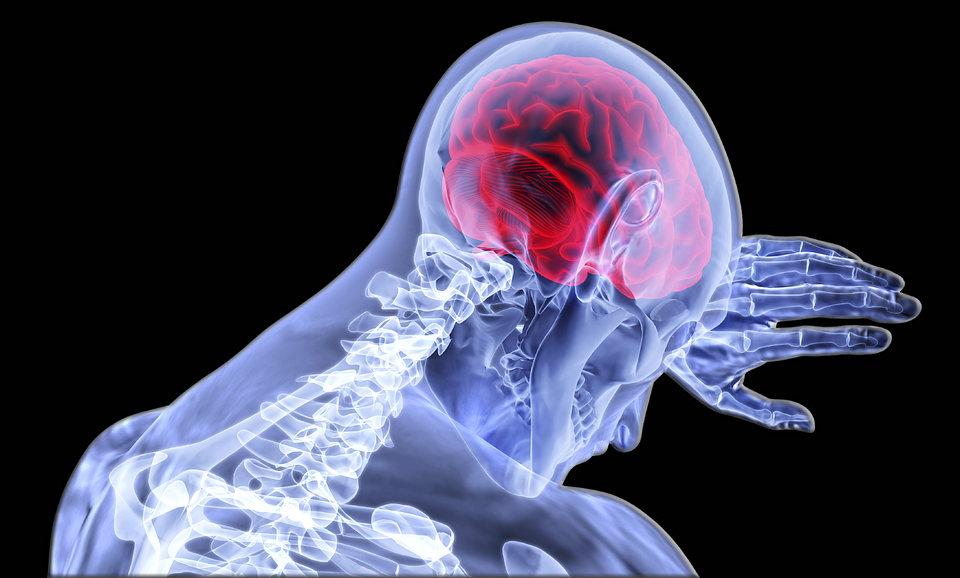
Epilepsy is a neurological disorder characterized by “abnormal” electrical discharges in the brain. It is triggered from the brain not getting enough oxygen and disparately agitating the nerves to supply more. Symptoms of the classic epilepsy include sudden, unpredictable or “unprovoked” seizures and other health issues, that occur on a chronic basis. Thus the difference between epilepsy and the many dozens of other seizures is that epilepsy happens repeatedly. To heal epilepsy, high dose vitamin D3 is often recommended to actually seeing visible signs of improvement! The Ketogenic diet has also been used to curb symptoms of epilepsy in children. Here, I will dig deeper, by dealing with what I believe is the core instigator of epilepsy: too much unbound iron in the blood and tissues, too little oxygen in the cells that carry oxygen, too little magnesium and the co-enzyme B vitamins, too little natural sunlight and the benefits of natural sunlight, including vitamin D, a lack of bio-available copper, and especially a lack of sleep.

There are two distinct categories of epilepsy: Generalized onset and Focal onset. Generalized onset occurs apparently all over the brain at once, while focal onset occurs at a specific region, on one side of the brain. The most familiar form of seizure occurs under generalized onset, under the subcategory: tonic-clonic seizure. This is the most extreme form of epilepsy and involves loss of consciousness and  violent muscle contractions.

There is perhaps another category of seizure categorized as Unknown onset, that may initiate outside of the scope of the brain.

Allopathic medicine often treat epilepsy with medication, surgery or neuromodulation (nerve stimulation). In the case of medication, one, two or three anti-epileptic drugs would be initiated if the patient’s condition is receptive to such. In the case of surgery, resective surgery or laser ablation surgery would be implemented to remove a small amount of affected brain tissue or heat brain tissue, respectively. In the case of nerve stimulation, neuromodulation equipment is used to stimulate the vagus nerve in the neck, officially known as vagal/vagus nerve stimulation (VNS), or equipment is used to stimulate the brain directly where seizure occurs, officially known as responsive neurostimulation (RNS). At BIOinvigoRATE however, we always seek to exhaust all natural forms of healing before implementing allopathic methods for chronic diseases!


That free, unbound iron that is not attached to hemoglobin or anything may in fact oxidize and rust vital organs of the body, including the brain. To heal epilepsy, this rogue iron which has built up in all the wrong places and has reached the brain, needs to be eliminated from the body. One such way of doing this would be to donate blood once every six months to one year. Also using IP-6 on an empty stomach, away from food and other nutrients will help chelate and eliminate this form of destructive iron out of the body. By doing this, the brain should automatically have an increase in oxygen. (Be careful with IP-6, as it also chelates other minerals such as zinc and calcium out of the body.)

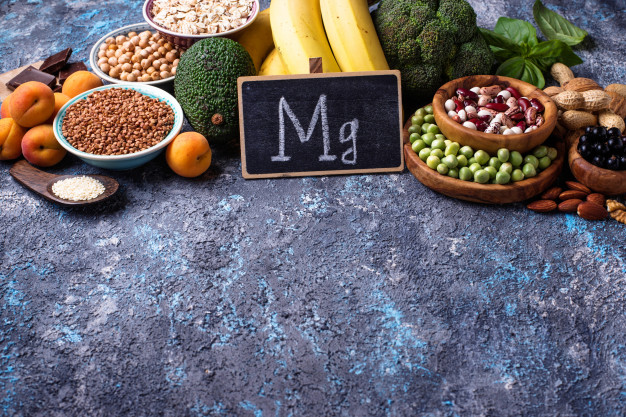
Another way to decrease iron and inflammation throughout the body is by increasing absorbable magnesium. Seek out leafy greens and other foods high in this mineral. Also supplementing would be beneficial. Magnesium glycinate or malate have a high absorption rate. Also increasing your intake of vitamin B6 in the form of P5P will automatically increase your magnesium absorption. Magnesium is very effective at decreasing whole-body inflammation. P5P will aid magnesium along that effort, along with other sources of natural B vitamins — such as found in bee pollen. It is worth emphasizing that the B vitamins are very effective toward increasing magnesium absorption and additionally, stabilizing neurological disorders!

The sun too is a wonderful healer of epilepsy, providing balance and homeostasis of all the minerals in your body, while increasing the vitamin D level naturally as well, to ideal levels. There are foods also that will aid in increasing your vitamin D level. These include irradiated mushrooms and lichens. Vitamin D turns into a hormone in the body, and is a powerful aid in regulating the immune system — thus regulating your general health to optimum performance.

Other methods that may aid in the healing of epilepsy include earthing and “tree hugging.” Earthing — exposing your bare feet to moist/wet grass (or soil/sand) is said to be very beneficial in balancing your body’s natural electrical charge. The underneath of our feet is very porous — and is susceptible to the benefits of nature and its healing powers, including the earth’s electrons. Tree hugging also rearranges your inner life forces and balance from one organism to the next — that being plant revitalizing life and homeostasis to human.

On speaking of electrical charge, the human body is operated by electricity. The mineral most responsible for this is copper. With the element carbon, and the micro-mineral copper, there is electricity. Knowing how to increase bio-available copper will also increase the electrical power of your body. Oysters and grass-fed/grass-finished liver would be excellent and appropriate sources of copper. Bio-available copper can also be obtained by supplementation. A bioavailable, chelated or ionic copper supplement may be an excellent source, temporarily.

Perhaps the greatest trigger of epilepsy is a lack of proper sleep. A lack of sleep increases stress and malfunctions the vagus nerve — that large nerve responsible for “rest and digest”. There has been one particular herb that has shown promise in utilizing the vagus nerves, thus bettering sleep, thus reducing stress; thus reducing outbreaks of epilepsy. That herb is called blue vervain. (Pregnant women, breastfeeding mothers, the “anemic” and those on blood thinners should avoid this herb however.)

In summary, epilepsy is not a permanent disease in which there is no hope. You may find relief with the right protocol. Decreasing unbound iron, increasing magnesium with P5P and other (natural-sourced) B vitamins, increasing sunlight and other natural sources of vitamin D, being out in nature, earthing and tree hugging; increasing bio-available copper, and improving sleep quality with the herb blue vervain are the most natural and effective ways I’ve discovered thus far in the quest to fight against epilepsy!

Tuberculosis (TB): What it is, and what to do about it.


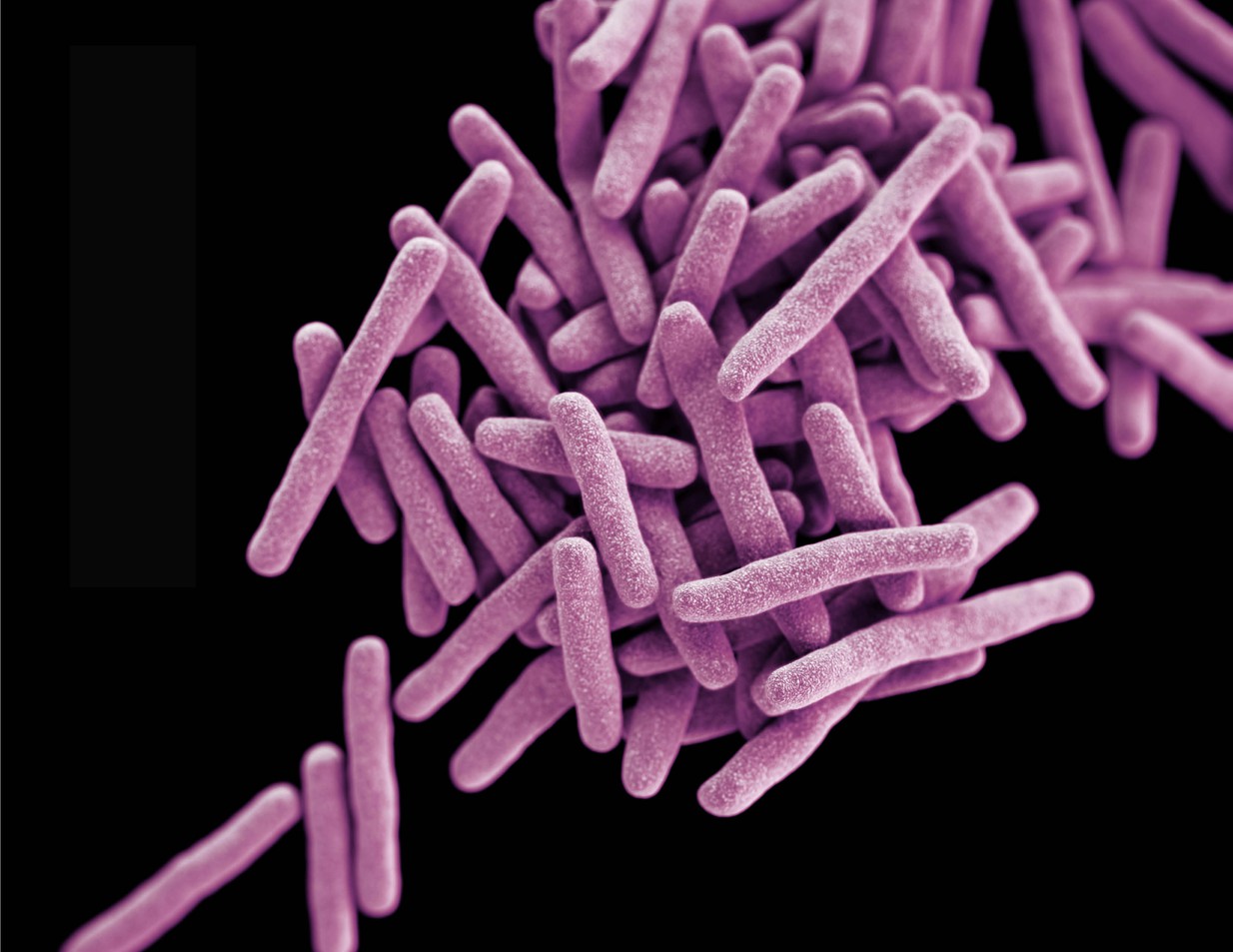
Tuberculosis a.k.a. TB is an infectious and potentially fatal disease caused primarily by what science has identified as a bacterium —Mycobacterium tuberculosis. It is named so because it is aerobic and creates tubercles in the nodules of the lungs, especially the upper oxygen-rich lobes of said organ. The most common form — pulmonary tuberculosis — is caused by inhaling said bacteria in the air from any source already infected. The bacteria can spread to other parts of the body via the lymphatic system. Historically, tuberculosis was catastrophic before the rise in vaccination, medication and milk pasteurization. There has been a resurgence due to modern issues, such as HIV, organ transplant and diabetes. Here, at BIOinvigoRATE, we will discuss what tuberculosis is and what we should do to prevent and reverse the disease.

There are two notable stages of TB: latent TB and active TB disease. Many people with latent TB show no signs of sickness, and may not infect others, and may not — themselves — even be aware they may be infected with the bacterium! That scenario may go on for decades, or for life. Those with active TB disease however, will show the classical signs: persistent coughs (with blood) that lasts for weeks, night sweats, chest pain, weakness and fatigue, chills, lack of appetite, weight loss and so on. In fact, TB was once called consumption because of its weight loss and wasting away characteristics of those who contracted it.

Tuberculosis is easy to catch as it may be, for some people, hard to avoid. Avoiding those who talk a lot or open their mouths a lot would be a good rule of thumb to abide by in avoiding this disease. Avoiding those that spit, sneeze, shout, sing and speak out loud would be the sure precaution that would prevent infection from this disease. There is another little known form of TB bacteria — Mycobacterium bovis — that is spread by the substance of infected cattle. We must therefore avoid unpasteurized milk and cheese products of which the source of origin is unknown.

When our body is infected with bacteria, the immune system sends its first line of defense — macrophages — large white blood cells that engulf the bacteria. However, TB bacteria works differently than other bacteria and is made up of different complex, waxy surface material than other bacteria, making it difficult for our immune cells to disrupt them. Additionally, TB bacteria will then turn the table by changing the structure and chemistry of these macrophages and using them as a source of energy, resource, duplication and transportation. This is one of the biggest mysteries of active TB bacteria and why it has become so drug resistant!

The big questions that arise from the behavioral pattern of active TB are: How does the TB bacteria know to use our own immune cells for its benefit? Why does the TB bacteria want to use our immune cells for its benefit. And who taught TB bacteria everything it knows to use our immune cells for its benefit? It is from these questions why getting rid of TB infection takes so many months, uses so many medications, involves so many research, costs so much money, and has taken so many lives!

Tuberculosis is notoriously associated with low vitamin D, which then causes many medical practitioners to recommend vitamin D supplements to their patients. But, as an example, a lot of people who get sick during the winter months do not get sick primarily because they have low vitamin D levels — but because their immune system is compromised! Low vitamin D is only an indication of a compromised immune system. Yes, patients may feel better replacing D3 synthetically, but that doesn’t fix the problem.
TB is not a low vitamin D problem. It is an iron toxicity and acidity problem in the lungs and surrounding area, causing bacterial infection/infestation! Taking high doses of D3 supplement will cover the problem — then make it worse!

The vitamin D from the sun is different from the vitamin D3 in supplements. True sunlight — the UV-B rays and others — has a strong impact in healing many diseases, including TB. In contrast, supplementing 20,000 IU of D3  (even with K2-MK7) will make you feel better, while simultaneously making your health worse. While supplemental D3 is increasing your D3 level, it is also DEPLETING your magnesium level, your vitamin A level, your copper level and your zinc level — the very things that are MOST needed with TB infection! If you are infected with the tuberculosis bacteria, then take off your outer clothes and sunbathe in the sun!

Also consider D3 supplements, but from real food source, like lichens; rather than the cholecalciferol made from sheep-wool wax, and that is used in rat poison! Irradiated mushrooms may also be a choice to consider. So would a vitamin D lamp.

There are also many herbs that may show promise in building back up the immune system of someone with TB and in eradicating its bacteria! Pelargonium sidoides, a.k.a. African geranium — my first choice — should be one to seriously consider. Other immune system building herbs are guduchi, andrographis, astragalus, pau d’arco, mullein, elderberry, olive leaf extract and eclipta alba. All of the aforementioned herbs have two things in common: they destroy bacteria and reduce inflammation. They also restore lung vitality. They are also loaded with immune support nutrients. Still other herbs that may be helpful are: rosemary, manjistha, Jamaican sarsaparilla and burdock root. Often, finding the right combination of herbs can do wonders in obliterating TB or any other stubborn disease!

Magnesium: The King Of Minerals


As we age, unbound, free iron increases in our body while magnesium decreases. For healthy living, it should be the other way around. Increased magnesium automatically keeps potassium from depleting. There lies the heart connection. Magnesium is not involved in over 300 enzymatic processes — it’s more like over 3000! If you know about methylation, you will know the power of magnesium, and P5P, and copper, and zinc, and manganese, and molybdenum! The number one thing that is depleting magnesium in health conscious people today is taking too much Vitamin D3. If you are taking D3/K2-MK7 without adding magnesium, it would be better had you not taken the former(s). Vitamin D3 depletes retinol (vitamin A), which then depletes ceruloplasmin (a protein needed to transport copper), which then depletes bioavailable copper, which then causes unbound iron buildup and rusting of the blood and organs — because copper regulates iron. Which then causes a great depletion of magnesium!

I’ve seen statistics estimating that 60 percent of the population is deficient in magnesium; and I’ve seen others raising it to 85 percent. In reality though, I believe the entire human race is deficient in magnesium! Yes, even 100 percent of all people are deficient in this important mineral. Even those eating the healthiest foods in the world are deficient. Even those supplementing in high doses are deficient. Magnesium is very easy to lose, like water vapor is very easy to dissipate. Even stress depletes magnesium. Even thinking too hard depletes magnesium. Heat depletes magnesium in our body. Cold depletes magnesium. Exercise depletes magnesium. A sedentary lifestyle depletes magnesium. Consuming the wrong type of magnesium depletes magnesium. Too much or too little of any other mineral or vitamin depletes magnesium. Inflammation anywhere in the body uses magnesium like gasoline, depleting it. Just being alive depletes magnesium.

Magnesium is so important for so many things and is needed in so many things. Our cell’s mitochondria needs magnesium to work at all . The enzymes used to create energy during ATP, from cellular respiration, need magnesium. Potassium and sodium depend on magnesium. Progesterone and all other hormones need magnesium as a co-factor. If you have low progesterone, you have low magnesium. To even sleep properly, you need magnesium. Serotonin, dopamine and melatonin depend on magnesium.

Supplementing magnesium via vegetables is surprisingly not easy. Supplementing it with chlorophyll is also impractical. What is chlorophyll — what does it look like? If you think it’s that green liquid thing you see in bottles, you are sadly mistaken. Chlorophyll does not come in liquid form! Currently, I am taking magnesium glycinate/malate combination, about 500 mg, per day — because they are among the most absorbable forms of magnesium. If you think something like magnesium oxide is absorbable, you are sadly mistaken. You would be lucky to receive even a rate of 4% absorption.

There are other absorbable forms of magnesium besides glycinate and malate, that can be taken — such as magnesium citrate, found in Natural Calm Canada. I personally would rotate between the different forms of absorbable magnesium rather than stick to just one brand. And there is mineral water. Spring water has an affinity to magnesium— it loves this mineral. Decocting or infusing herbs in hot water extracts the magnesium into the water.

You could get magnesium from such herbs as turmeric, guduchi, fenugreek, eclipta alba, saffron, olive leaf extract and many more. However, herbs are designed to be used sparingly— typically 1/4 teaspoon per day, or less.

People’s bodies are not aged by time, but by a depleting of magnesium (and others), an increase in unbound iron; and the build-up of toxins and heavy metals in our cells and tissues, and even by the oxidation of fatty acids.

But what if you can’t tolerate magnesium?

If you cannot tolerate magnesium, that means you cannot tolerate oxalates, which means you are eating too much high oxalate foods or your liver is producing too much oxalates. We have heard of calcium oxalates — but we hardly ever hear of magnesium oxalates.
Furthermore, if you cannot tolerate too much magnesium, that means you are low in potassium as well, and there is a severe electrolyte imbalance.

Solution simple: AVOID high oxalate foods such as soy, raspberries, nuts, seeds, spinach, swiss chard, okra, beet greens, chocolate, etc.
INCREASE your potassium with yam, coconut water, etc.
Take magnesium in more absorbable forms, such as cream, spray and Epsom salt baths, bypassing the liver and kidneys.
The glycine in magnesium glycinate can aggravate the condition. So consider a more tolerable form, like magnesium malate. The malate, or malic acid, in magnesium malate actually helps neutralize or gently excrete oxalates.
Drink spring water, which contains natural magnesium.
Do a liver and kidneys cleans with artichokes and dandelion root.

Suggestions on quality magnesium brands:

The Mystical, Wild Chaga “Mushroom”

­


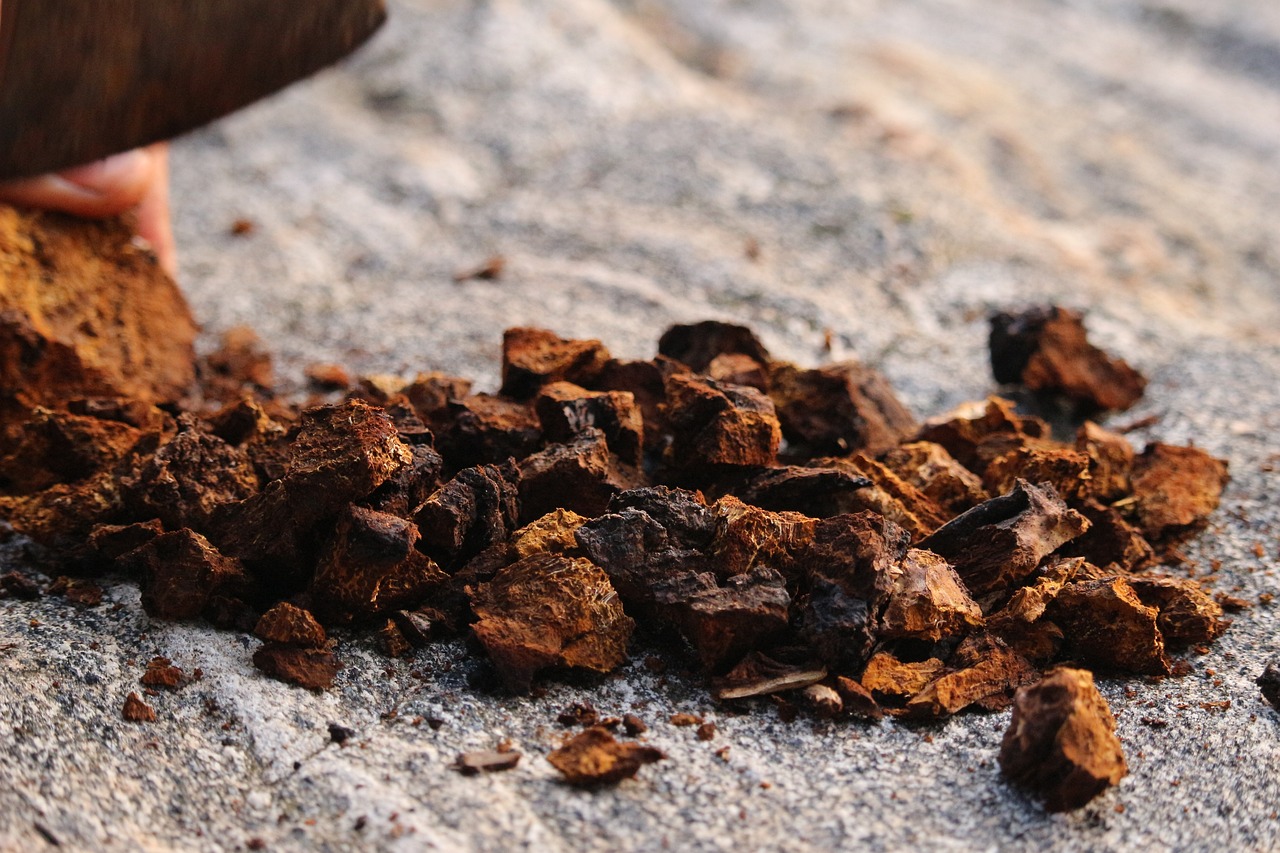
I have been drinking wild chaga tea for the last two years. I credit this as one of the best decisions of my life. Chaga (Inonotus obliquus) is a sterile, black conk. Often labeled as a “mushroom”, chaga shows a more complicated anatomy. It is considered a fungus and parasite — for one, it thrives best on the barks of birch trees. Its appearance is that of burned charcoal because of its high melanin content. On the inside, it is bronze in color, or something like that. This conk can be found thriving naturally in the wild and extremely cold weather, mainly in Northern Canada and Russia, with Northern Siberia possessing exceptional quality chaga. So if you are looking for the real, unadulterated deal, these are the places to scout out as the source of origin.

Shopping around for or obtaining chaga that grew on birch trees from Siberia may sound simple enough, yet seems to present more of a challenge to producers. I’ve personally discovered most chaga sold on the market are subpar quality, lacking in the description and benefits promised. To be chaga, it must consist of the hard sclerotium structure, yet most labels on chaga products state either the fruiting body or mycelium as the prime source of their ingredient. The ultimate way to tell whether or not your chaga product is authentic is if it lists sclerotium (plural: sclerotia), preferably from either Siberia/Russia/Canada; and an adequate amount of betulinic acid obtained from growing on white birch trees (specifically the Betula pendula, Betula pubescens, Betula papyrifera and/or (from Japan) Betula platyphylla Suk species). Golden birch (a.k.a. yellow birch) of the Betula alleghaniensis species may also have a high concentration of betulin.

One reason why getting authentic chaga may seem like asking for blood is because finding and marketing chaga is as difficult as if asking for blood. With wild chaga only growing on one (1) in every ten thousand (10,000) birch trees and the fact that it takes two (2) to ten (10) years to harvest chaga, it would be impossible to keep up with demand on a wholesale basis. So now we have producers instead of supplying wild harvested chaga are now providing “cultivated” inferior quality chaga grown on grains, like rice and oats, in speedy time.

True wild chaga from white trees is like a multivitamin, immune system strengthener, energizer and possible cancer/tumor fighter all wrapped into one supplement. Such contains over 215 phytonutrients which alkalizes an over acidic body. Such also contains, among other things:

1. B vitamin constituents, especially of riboflavin (B2) and niacin (B3). Such also contains pantothenic acid constituents (B5), which is very good for the adrenal glands. Since the adrenal glands regulate the immune system, that system will also greatly benefit.

2. Vitamin D constituents, thus helping to boost and regulate the immune system, and increasing your ability to fight colds and the flu.

3. Phenols/phenolic compounds, are plant micronutrients known for their protective effect on DNA and against oxidation. Chaga contains pigment-like phenols known as the chromogenic complex. This chromogenic complex is abundant and only known to exist in the chaga conk. Siberian chaga is particularly abundant with this.

Chaga also contains flavonoids, which are water-soluble poly-phenolic compounds.

4. Enzymes, such as Superoxide Dismutase (SOD). Chaga is exceedingly high in SOD when compared to other nutritional supplements. SOD is an antioxidant enzyme which halts iron oxidation, especially from a free radical known as singlet oxygen. Superoxide dismutase turns the superoxide (free radicals) back into oxygen and water. Bottom line: SOD protects your cells’ mitochondria and DNA from damage.

5. Essential minerals, such as magnesium, potassium, and calcium.

6. Ionized trace minerals, such as copper, zinc, manganese and iron.

7.  Various other powerful plant-nutrients, such as:

a) Betulin: is an abundant extract — a pentacyclic triterpenoid — from the outer bark of birch trees and provides metabolite compounds (betulinic acid/lupeol) which are highly antimutagenic, highly antiviral and highly anti-tumor. It has been used successfully to shrink some types of cancerous tumors.

b)  Polysaccharides. These compounds are long chain carbohydrate molecules that have the ability to stimulate the immune system. They also pinpoint and serve as a carrier of nutrients to the tissue regions of the body most needed.

  • Beta-glucans. This is a most beneficial polysaccharide (glucose polymer) found within the cell wall of chaga, that strengthens the immune system, and that is associated with one of chaga’s prime medicinal properties.

c)  Saponins. These are bitter-tasting  sugars attached to another organic molecule. No one really seems to be quite sure what saponins do exactly, but in moderation, they appear to contain both anti-allergenic and anti cancer properties.

d)  Phyto-sterols. Sometimes, the appearance of sterol in a product may be a good or bad thing. It’s unclear the benefits of sterols in chaga, but it may include improving one’s cholesterol efficiency and providing antiviral properties.

Chaga is also good for people with stomach issues. Inflammatory Bowel Disease such as Crohn’s and Ulcerative colitis may see improvement. So would those with stomach ulcers and diseases of the duodenum, liver and spleen.

•••

Word of caution:

Chaga is safest used in tea form or tincture (dual extract). It has the ability to lower platelets, thus thinning the blood. So people on blood thinners should be aware.

It has the ability to accumulate (soluble) oxalates, and thus kidney stones. So those with kidney issues should be aware.

It lowers blood glucose. So those on blood sugar medication should be aware.

•••

The chaga conk is very unique and versatile in many ways, being anti-cancer, anti-tumor, anti -inflammatory, anti-aging, anti-diabetic, anti-viral, anti- bacterial, anti-fungal and even brain protecting. It is said to even contain a DNA structure that is 30 percent more human than plant. There is much more to learn and discover about this fascinating  specimen of nature.

To receive the full potency and benefits of chaga you can obtain the dual extract version, that uses both hot water and alcohol to extract all of the valuable nutrients chaga is known for. If you are uncomfortable with even a small amount of alcohol, you may obtain the single hot water extract tea version. Where you will find the unadulterated, wild chaga, listed below: