The Best Diet in the World

•••


We’ve heard of the Paleo diet, the Mediterranean diet, the South Beach diet, the Carnivore diet, the Ketogenic diet, the Atkins diet, the Raw Food, Vegan diet, the Traditional Vegetarian diet and a host of other diets. But which diet is the best diet in the world? Relax! There is no best diet in the world. Every food you put in your mouth is a poison, including all fruit, all vegetables, all herbs and spices, all minerals and all vitamins. Yes, eggs are poison, grass fed/grass finished liver is definitely a poison. Seafood is poison. Spinach and watercress and broccoli are poisons. Yet these are our only options. Even pure water is a poison. Even breathing in oxygen is poison. The question is not what is the best diet in the world — everybody is different and every food must be tailored to the individual’s needs and constitution.

The best diet in the world is knowing which food to take at what time, and how much of it. For one individual, a 95% whole-food plant-based diet may be necessary to heal their heart disease or congestive heart failure; for another person, a 20% animal based, organ meat diet may be needed to help heal their bloated, leaky gut, with small intestinal bacterial overgrowth (SIBO). But the general rule we know is that, a well balanced diet must constitute a variation of animal protein and plant carbohydrates and protein, with an adequate amount of healthy fats — if there is such a thing as healthy fats!

The average, athletic human can only digest max 40 grams of animal protein per day — not per meal, but per day. Yes we need animal protein — but not too much of it. A 100% vegetarian diet may seem like a good idea at first, but such a restricted diet will eventually put that individual at high risk of health problems later down the road. It may take 4 years, or it may take 40 years before the poisons start manifesting. Same thing, a 100% animal protein diet — the carnivore diet — (even with organ meat) is going to affect that individual later on down the road. It may be noticed at 4 years — and definitely by 10 years or less. So everything must be balanced and tailored to each individual’s anatomical, molecular, genetic, enzymatic, and physiological constitution.

A raw vegan diet may be excellent for someone who has abused their body with a high animal protein diet, that has clogged their arteries, raised their LDL cholesterol and caused them to develop type II diabetes. However, a continuation of this diet without cease for 10 years may result in toxic plant poisons building up in that individual’s blood, tissues and lymphatic system.

A carnivore diet may seem to heal someone’s Crohn’s disease after 4 months, but the continuation of this restriction diet may result with an exhausted and compromised immune response — not to mention the damaging effects on tissues, connective tissues and basal wall membranes of their capillaries, with all that indigestible protein collagen clogging those said connective tissues and basal wall membrane — depriving them of adequate blood supply and oxygen.

So we may not know what the best diet in the world is — it depends on many factors of the individual. Some peoples’ bodies may need more cooked vegetables, some more raw, some organ meat, others may need lots of specific fruit and fiber. What we do know as a general guideline is that the human body was definitely designed to eat no more than 40 grams of animal protein per day — because our stomach acid is weak in comparison, and because animal protein encourages high amounts of histamine — especially fried — which is not that all good. Our bodies were also meant to consume a fair amount of leafy greens — both raw and cooked. We also need clean water — preferably spring water with natural minerals. And we also need a small amount of agreeable fats to make bile in our liver, and to digest the fat soluble vitamins.

I do not recommend dairy, with the exception of grass fed butter. Grass fed butter is rich in vitamins A and B12. It also has copper and other minerals — too good to give up. But milk, for example, especially non-raw, homogeneous, A1 cow’s milk, fed soy and corn, is very artery and lymphatic system clogging.

So I’ve finally figured out the name of the best diet in the world! It has no name — it doesn’t exist!

Epilepsy: Correcting the Tonic-Clonic Seizures


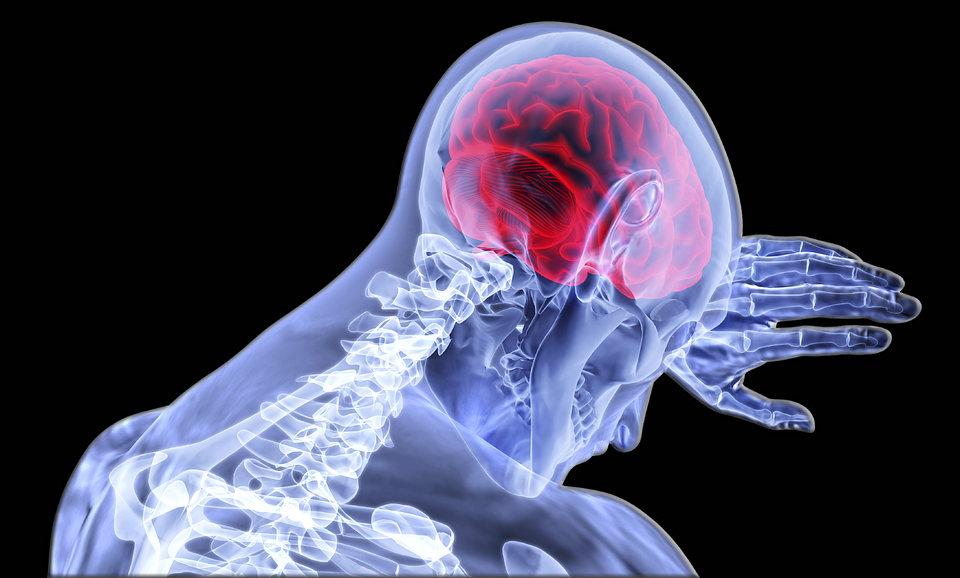
Epilepsy is a neurological disorder characterized by “abnormal” electrical discharges in the brain. It is triggered from the brain not getting enough oxygen and disparately agitating the nerves to supply more. Symptoms of the classic epilepsy include sudden, unpredictable or “unprovoked” seizures and other health issues, that occur on a chronic basis. Thus the difference between epilepsy and the many dozens of other seizures is that epilepsy happens repeatedly. To heal epilepsy, high dose vitamin D3 is often recommended to actually seeing visible signs of improvement! The Ketogenic diet has also been used to curb symptoms of epilepsy in children. Here, I will dig deeper, by dealing with what I believe is the core instigator of epilepsy: too much unbound iron in the blood and tissues, too little oxygen in the cells that carry oxygen, too little magnesium and the co-enzyme B vitamins, too little natural sunlight and the benefits of natural sunlight, including vitamin D, a lack of bio-available copper, and especially a lack of sleep.

There are two distinct categories of epilepsy: Generalized onset and Focal onset. Generalized onset occurs apparently all over the brain at once, while focal onset occurs at a specific region, on one side of the brain. The most familiar form of seizure occurs under generalized onset, under the subcategory: tonic-clonic seizure. This is the most extreme form of epilepsy and involves loss of consciousness and  violent muscle contractions.

There is perhaps another category of seizure categorized as Unknown onset, that may initiate outside of the scope of the brain.

Allopathic medicine often treat epilepsy with medication, surgery or neuromodulation (nerve stimulation). In the case of medication, one, two or three anti-epileptic drugs would be initiated if the patient’s condition is receptive to such. In the case of surgery, resective surgery or laser ablation surgery would be implemented to remove a small amount of affected brain tissue or heat brain tissue, respectively. In the case of nerve stimulation, neuromodulation equipment is used to stimulate the vagus nerve in the neck, officially known as vagal/vagus nerve stimulation (VNS), or equipment is used to stimulate the brain directly where seizure occurs, officially known as responsive neurostimulation (RNS). At BIOinvigoRATE however, we always seek to exhaust all natural forms of healing before implementing allopathic methods for chronic diseases!


That free, unbound iron that is not attached to hemoglobin or anything may in fact oxidize and rust vital organs of the body, including the brain. To heal epilepsy, this rogue iron which has built up in all the wrong places and has reached the brain, needs to be eliminated from the body. One such way of doing this would be to donate blood once every six months to one year. Also using IP-6 on an empty stomach, away from food and other nutrients will help chelate and eliminate this form of destructive iron out of the body. By doing this, the brain should automatically have an increase in oxygen. (Be careful with IP-6, as it also chelates other minerals such as zinc and calcium out of the body.)

Another way to decrease iron and inflammation throughout the body is by increasing absorbable magnesium. Seek out leafy greens and other foods high in this mineral. Also supplementing would be beneficial. Magnesium glycinate or malate have a high absorption rate. Also increasing your intake of vitamin B6 in the form of P5P will automatically increase your magnesium absorption. Magnesium is very effective at decreasing whole-body inflammation. P5P will aid magnesium along that effort, along with other sources of natural B vitamins — such as found in bee pollen. It is worth emphasizing that the B vitamins are very effective toward increasing magnesium absorption and additionally, stabilizing neurological disorders!

The sun too is a wonderful healer of epilepsy, providing balance and homeostasis of all the minerals in your body, while increasing the vitamin D level naturally as well, to ideal levels. There are foods also that will aid in increasing your vitamin D level. These include irradiated mushrooms and lichens. Vitamin D turns into a hormone in the body, and is a powerful aid in regulating the immune system — thus regulating your general health to optimum performance.

Other methods that may aid in the healing of epilepsy include earthing and “tree hugging.” Earthing — exposing your bare feet to moist/wet grass (or soil/sand) is said to be very beneficial in balancing your body’s natural electrical charge. The underneath of our feet is very porous — and is susceptible to the benefits of nature and its healing powers, including the earth’s electrons. Tree hugging also rearranges your inner life forces and balance from one organism to the next — that being plant revitalizing life and homeostasis to human.

On speaking of electrical charge, the human body is operated by electricity. The mineral most responsible for this is copper. With the element carbon, and the micro-mineral copper, there is electricity. Knowing how to increase bio-available copper will also increase the electrical power of your body. Oysters and grass-fed/grass-finished liver would be excellent and appropriate sources of copper. Bio-available copper can also be obtained by supplementation. A bioavailable, chelated or ionic copper supplement may be an excellent source, temporarily.

Perhaps the greatest trigger of epilepsy is a lack of proper sleep. A lack of sleep increases stress and malfunctions the vagus nerve — that large nerve responsible for “rest and digest”. There has been one particular herb that has shown promise in utilizing the vagus nerves, thus bettering sleep, thus reducing stress; thus reducing outbreaks of epilepsy. That herb is called blue vervain. (Pregnant women, breastfeeding mothers, the “anemic” and those on blood thinners should avoid this herb however.)

In summary, epilepsy is not a permanent disease in which there is no hope. You may find relief with the right protocol. Decreasing unbound iron, increasing magnesium with P5P and other (natural-sourced) B vitamins, increasing sunlight and other natural sources of vitamin D, being out in nature, earthing and tree hugging; increasing bio-available copper, and improving sleep quality with the herb blue vervain are the most natural and effective ways I’ve discovered thus far in the quest to fight against epilepsy!

High Blood Pressure, Clogged Arteries, Heart Disease: All One Disease


If you’ve had a non-congenital heart attack, that means one thing: you have gallstones in the gallbladder and intrahepatic stones in the liver, both hard and soft! The liver is the body’s physician; if this is clogged, then it causes a cascade of all other sorts of illnesses. Heart disease is a legendary manifestation of liver problems.

When the liver is clogged, it slows down on doing what it needs to do, like keeping the blood clean. When the blood becomes polluted because of a faulty liver not rejuvenating it, then the lymphatic system also becomes clogged. The lymphatic system is part of a defense mechanism of the body known as the immune system. The immune system keeps things that want to hurt the body at bay. The blood is like a faucet while the lymphatic system is like a drainage — when the drainage gets clogged, bad things happen. When the immune system becomes defenseless, toxins from food and the environment, oxidation creating free radicals, pH imbalance from a stressful internal environment, and bacteria and other pathogens who love stressful environments begin to invade the body internally. The liver should actually be considered a part of our immune system, therefore.

When the liver loses its functionality, the blood takes a hit, then the lymphatic system takes a hit, then the kidneys take a hit. Then the tissues and other organs take a hit. Then cholesterol and inflammation start forming. The undigested protein, along with rogue calcium start clogging vital organs and the arteries that supply them. Then arteries start stiffening. Then blood pressure starts rising. Then the heart becomes larger, trying desperately to keep up with a demanding situation. Then what we know as heart disease starts manifesting. The ultimate penalty to this cascading, stressful event is heart disease, then inevitably, a heart attack.

But it all started with what went into our mouths — the foods we ate — the foods that our liver didn’t like and found hard to process. Simultaneously, the stress of it all caused a naturally confident liver to become shy and timid, and lose its ability to express itself. The liver —  the largest organ internally — becomes weak and angry.

Most high blood pressure — 98 percent of it — are categorized as idiopathic, meaning medical science has no idea what’s causing it. Medical science is baffled by high blood pressure because they are only focused on the blood. Medical science is not looking at the entire picture — the cascading events leading up to hypertension.

Heart problems, such as palpitations, are liver, bile and gallbladder problems rather than directly heart problems! If you have heart problems, you have a broken washing-machine, and the dirty clothes are piling up! The broken washing machine is your liver filled with stones — intrahepatic stones. The pipeline to the washing machine is your gallbladder. It is clogged with stones and sludge too. The detergent that should be running in the washing machine is bile, but since it has become thick or clumpy, with cholesterol-backup and other toxins, it doesn’t flow anymore. The dirty clothes is your heart, which is being affected. In order to clean your clothes (the heart), you must first fix the broken washing machine (the liver) and the pipeline (the gallbladder).

What physicians are apparently not taught in Medical School is that it requires 11 oxygen molecules to make one cholesterol molecule. Now what is that mineral that carries oxygen? Iron. So when cholesterol is being oxidized, what that really means is that it’s being rusted by – a buildup of, you guessed it — IRON!

So, how to fix the washing machine breakdown?
Bitters! The liver loves bitters. If you fix the liver, you automatically fix the gallbladder. If you fix the gallbladder, you automatically fix the bile problem. Bile will start flowing again. We make a lot of bile each day, or at least, we should — up to 4 cup or more, per day!
So there is hope. There are ayurvedic herbs and other things that will fix liver problems and gallbladder problems and dissolve intrahepatic stones in the liver and gallstones in the gallbladder. Among the best are:
1. Kutki: very good at healing most liver problems.

2. Guduchi: very good for the liver, spleen, pancreas and blood — full of macro and micro nutrients. Good to add it with ginger. 

3. TUDCA: which is a water soluble bile acid, will dilute thick bile in the liver and gallbladder, making it flow more efficiently.
Specifically pertaining to the heart and for relief of chest pain, you must watch what you eat — being sure to favor leafy greens and stems and root vegetables. Leafy greens are healing because they were once out in the sun, absorbing its nutrients and life. In addition to changing your diet, drinking adequate spring water or pure coconut water to hydrate your cells and avoiding stress are practical things to improve liver function. There are also specific herbs and supplements that will speed up the recovery of high blood pressure, clogged arteries, chest pain, atrial fibrillation and general heart disease. Among the best are:

1. Arjuna: Above all — this ayurvedic herb has become my number one go-to for heart conditions. I’ve suffered chronic chest pain for over 20 years, and arjuna is most effective and long lasting at resolving that issue for me.
Arjuna works by improving the left ventricle function of the heart. The left ventricle is that chamber of the heart responsible for “pumping” oxygenated blood back into the rest of the body.

2. Hawthorn flower/leaf/berry:

(The flower is the most effective part that heals the heart.) This herb also subsides chest pain, enhancing heart muscle contractility and improving blood flow to the heart. Not all hawthorn sold on the market are effective — you must be sure to obtain quality brands. Hawthorn Supreme from Gaia Herbs is a good brand.

3. Ubiquinol: This is the absorbable form of Co Q10. Your body converts Co Q10 (otherwise known as ubiquinone) into ubiquinol. Uniqunol energizes the cells of the heart’s many mitochondrias. Take100 mg per day.

4. Dan Shen: This herb — also known as Salvia miltiorrhiza  — is found in traditional Chinese medicine — it actually dissolves blood clots, and reduces arterial plaque. (Do not take this herb if you are on any anticoagulation medication, as it may exacerbate the anticoagulation effects and lead to excess bleeding!)

5. Grapefruit inner of peel/Mesocarp/Albedo (must be organic) or grapefruit pectin. Good for lowering oxidized cholesterol, and keeping the arteries clean, grapefruit  pectin can also be purchased in supplement form, but tends to be adulterated because of the expense in making pure pectin. Pectasol-C seems to be a good choice though. (Avoid mixing anything grapefruit with prescription drugs, since it inappropriately magnifies the effects of these drugs!)

6. Pure pomegranate juice is said to lower high blood pressure in about two weeks. Organic pomegranate peel may be even more effective for heart conditions. Powerful polyphenol compounds called ellagitannins, punicalagins and anthocyanins may reduce inflammation throughout the body. These and other polyphenolic compounds may reduce blood pressure, plaque buildup and chest pain.

7.  Vitamin K2 (MK-7) in the trans form. Vitamin K2 is very different in function from Vitamin K1. Vitamin K1 is involved in blood clotting, while K2 is involved in removing calcium from all the wrong places of the tissues and arteries, and putting it in all the right places, such as bones and teeth. Calcium acts as a cement in the body, hardening at whatever site it lay. Too much of it in the arteries will harden, stiffen and clog them, setting the stage for heart disease. But K2 keeps it away from all these soft, sensitivity places; and puts it where it belongs.

There are many versions of K2. It is important that you get it in the more absorbable and longer lasting form of MK-7, which is found in natto — a Japanese fermented soybean product.

8. Food-base vitamin E: Vitamin E keeps the blood vessels nourished, thus helping to prevent both oxidation or new clot formation. Vitamin E also supports the muscular system of the body, including the heart — which is some 95% muscle. But be sure to supplement on only food based vitamin E, found notably in such foods as asparagus and — in moderation — organic sunflower seeds. Supplement-wise, Selenium E by Food Research contains adequate amounts of vitamin E made from real food.

9.  Magnesium Taurate: The left atrium of the heart is concentrated with magnesium more so than any other part of the human body. That is the part of the heart that prepares oxygenated blood to be “pumped” back into the rest of the body!

Magnesium works slowly in rebuilding a damaged heart. Don’t expect to see a relief of chest pain after taking magnesium for 2 days. We lose magnesium slowly, daily and yearly. Though it is critically important to every cellular process in the body, and life is useless without it, and the body needs lots of it, it may take years of continuous supplementing to help heal a defected heart.

A small amount of vitamin B6 in the form of P5P and/or coconut oil greatly enhances the absorption of magnesium into the cells! Super Magnesium Taurate from Green Organic is an excellent choice.

10.  Boluoke: This patented product is a naturally sourced lumbrokinase enzyme(s) made from real earthworms — good at dissolving clots and fibrins, thereby increasing blood circulation and oxygen to tissues. It may also reduce chest pain quickly. I put this last on the list of 10 because, it is expensive. To work, this product must be taken on an empty stomach,  away from food.


And there is that hardly ever noticed, but inextricable relationship between heart disease and lung disorder. This is because just as blood flows through the circulatory system of the heart, it also must flow through the pulmonary system, which is the lungs. That is why slow, deep breathing can lower blood pressure in minutes!

One technique to strengthen the heart is to sleep at night with your face covered in blanket, or sheet. Doing this will make you inhale more of your own carbon dioxide, slowing down your breathing. While oxygen is good for you during the day — speeding up your breathing, carbon dioxide, though acid forming, is good for relaxing you at night! It slows your breathing, improves lung function and heals your liver.

There are also herbs to better optimize lung function, such as mullein, African geranium, rosemary, astragalus and guduchi.


The longer you wait to resolve health issues of the heart naturally, the longer it will take to fix even after you decide to do all these right things. So if you have a heart condition, treat it as an emergency, and deal with it with deliberate priority. And the sooner you will begin the healing process before it becomes too late.  These supplements and procedures I’ve listed will help set you on the right road.


Other things that may help with heart and circulatory conditions are:


One or More Avocado(s) Per Day: Good or Bad?

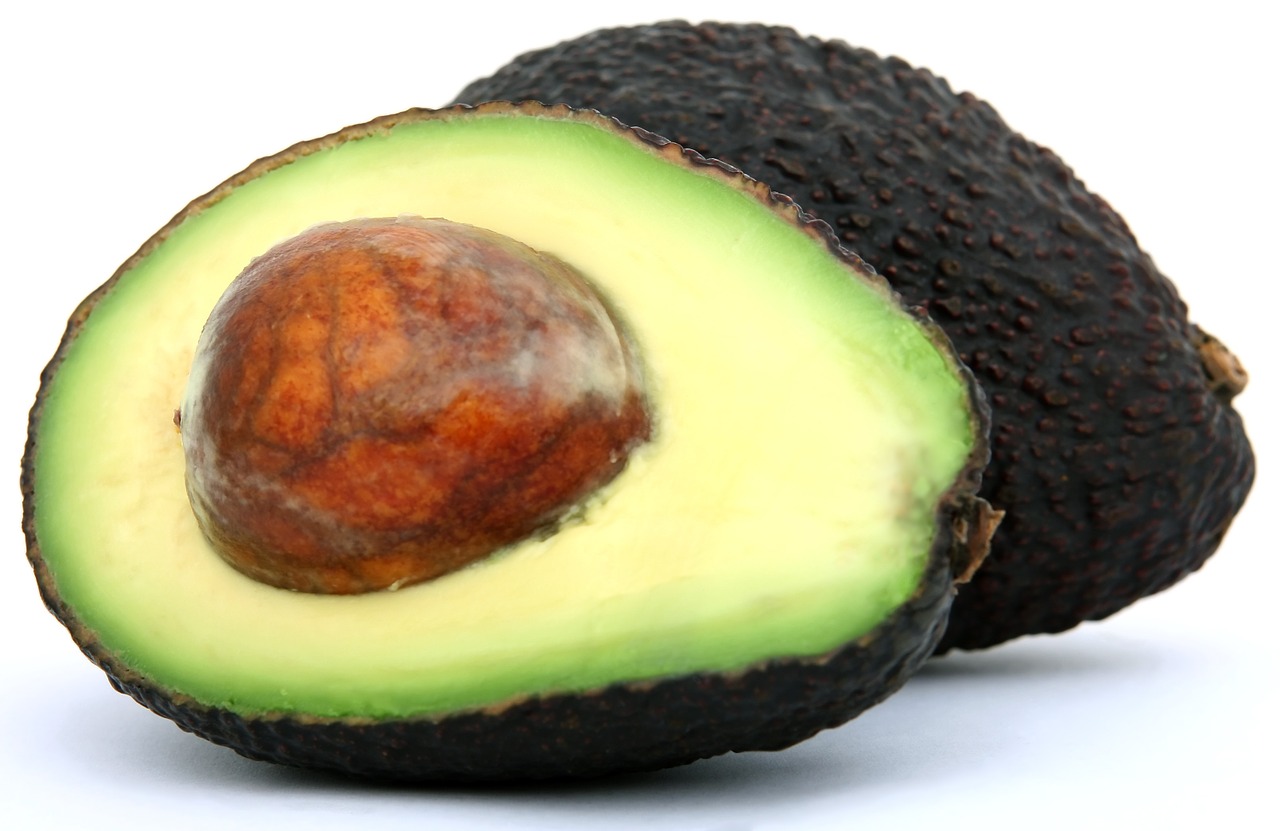
Many things that are bad for our bodies disguise themselves as being good. Lots of people drink coffee because it makes them feel good. Proponents of eating a whole or more avocado daily argue that it contains lots of vitamins and minerals like potassium, so it must be good — and, the more the better. What they fail to realize is that avocado also contains sulfur — though sulfur is needed for our bodies, it takes specialized enzymes to metabolize it. Many peoples’ digestive system are compromised, not able to break down sulfur into a constructive form their bodies can utilize, but instead accumulating the mineral to toxic levels, attracting binding heavy- metals and microbes.

The over-consumption of avocado can mimic good health within our bodies for months or even years without any apparent side effects. This positive reaction is not because of the avocado itself — but comes from the increased activation of our immune system to fight the ill-effects of the substance. You may develop clearer thought and clearer skin tone, thinking that it’s because you are doing a good thing.

Avocado is a complicated and fatty, fruit-berry. It should not be consumed everyday. It should be treated more as a medicine than as a food source. (If there is mixed message in the Science World about the effects of avocado, that should raise a red flag to us consumers.)
Only about 1/4 of an average-sized avocado should be consumed within a meal/day. Furthermore, it is ill-advised to consume this fruit-berry more than three/four times per week. So, if you desire avocado, 1 average-sized avocado should last you for the entire week.
Avocado is a sinister fruit, with a double-edged sword. A little of it can be OK, while too much can become, eventually dangerous!
For some people, avocado can be dangerous at any amount — these people should avoid avocados completely. I’ve witnessed some utter the adverse reactions they’ve had to this berry, that ceased only after they discontinued use.
We should listen to our animals — if things such as xylitol and avocado are harmful to them, so too could these things be harmful to us!

The sinister way in which avocado is grown is another dead giveaway that something is not right — that something is not natural. Avocados have become a hybrid fruit with critical changes to its molecular structure throughout the centuries and even more so throughout recent years. The massive amount of water needed to grow this tree, and the destruction of pine trees in replace of these avocado plants is another sinister indicator that something is not natural.
Scientific review of the effects, good or bad, of avocado long-term, is incomplete. For that reason alone, one should consider it wise to limit their intake of avocados!

Ovarian Cyst: What Culprit is Behind it?


Cysts are sac-like fluid formed on the ovary/ovaries. Differing in types and specific location, the most common forms of ovarian cysts are follicle cysts. Cysts in general develop as a result of severe lymph congestion. Example, ovarian cyst form when there is lymphatic congestion in the cysterna chyli vessels located in the abdominal cavity. Cysts are formed to protect the nearby organ/tissue from the acidity caused by the unhealthy toxins produced by foods being digested/metabolized, namely dairy, eggs, vegetable-oils, trans-fats like margarine, and the highly praised omega 3 fatty acids.

If you have a cyst, then most likely there is congestion of your liver and gallbladder with gallstones also. To effect healing your body, we will need to start with what we believe are the most important, to least important.
1. Cleanse your liver and gallbladder.
a. Eat one orange (or more) per day around 9-11 am. This clears excess estrogen. Oranges are most digestible in the mornings at this time period.
b. Use TUDCA after meals. This bile acid will help clear the gallstones/gall-sludge.
c. Take the ayurvedic herb called kutki. It will process healing your liver.

2. Decongest your lymphatic system. Either Red Root or Manjistha are good for unclogging the lymphatic system.

3. Clear your body of excess sulfur. Excess sulfur causes your body to hold unto heavy metals. Molybdenum will clear excess sulfur. Take 6 times the normal dose for about two weeks. (Keep in mind that molybdenum can interfere with copper absorption, so you will need to make sure you’re getting enough copper-rich food, like oysters; or you’re supplementing with ionic copper.)

4. Clear your body of heavy metals. Modified Citrus Pectin will bind to these heavy metals, increasing the body’s ability to eliminate them through the digestive tract.

5. Destroy pathogens. Pau d’arco tea and olive leaf extract are excellent natural antibiotics to destroy pathogens, including resistant bugs.

6. Reduce bloating. P5P — the active co-enzyme form of vitamin B6 — will reduce edema.

7. Clear congestion and infection in your head. A few drops of 3% food-grade hydrogen peroxide in each ear once or twice per year will aid in this effect.

8. Boil water for 20 minutes. Put in thermos, and take hot one or two sips every half an hour, throughout the day, to cleanse your internal organs/tissues on a cellular level.

Ovarian cysts are most often caused by consuming dairy — specifically milk products, such as milk itself, cheese and ice cream. This then thickens mucus. This then clogs the lymphatic system, which is responsible for draining and removing metabolic wastes and dead cellular debris. It’s interesting to note that all milk contains pus.
Sea kelp is good for this condition as well. Also is detoxified iodine temporarily. If you have hyperthyroidism, you should avoid iodine to prevent your thyroid from swelling. In this case, you will want to add more food-sourced selenium and natural vitamin C. To speed up healing, we must emphasize:

1. Avoid dairy. This may prevent ovarian cysts in the first place.

2. Manjistha — as mentioned — is an ayurvedic herb that will unclog the lymphatic system, thereby eventually dissolving the cyst, and other ailments, caused by congestion.

3. Increase your copper intake. Most female problems are initiated by insufficient copper levels. Copper regulates hormonal balance. Good sources of natural copper include organic bee pollen, amla or acerola berry, oysters, and organic grass-fed/ grass-finished liver.

Tuberculosis (TB): What it is, and what to do about it.


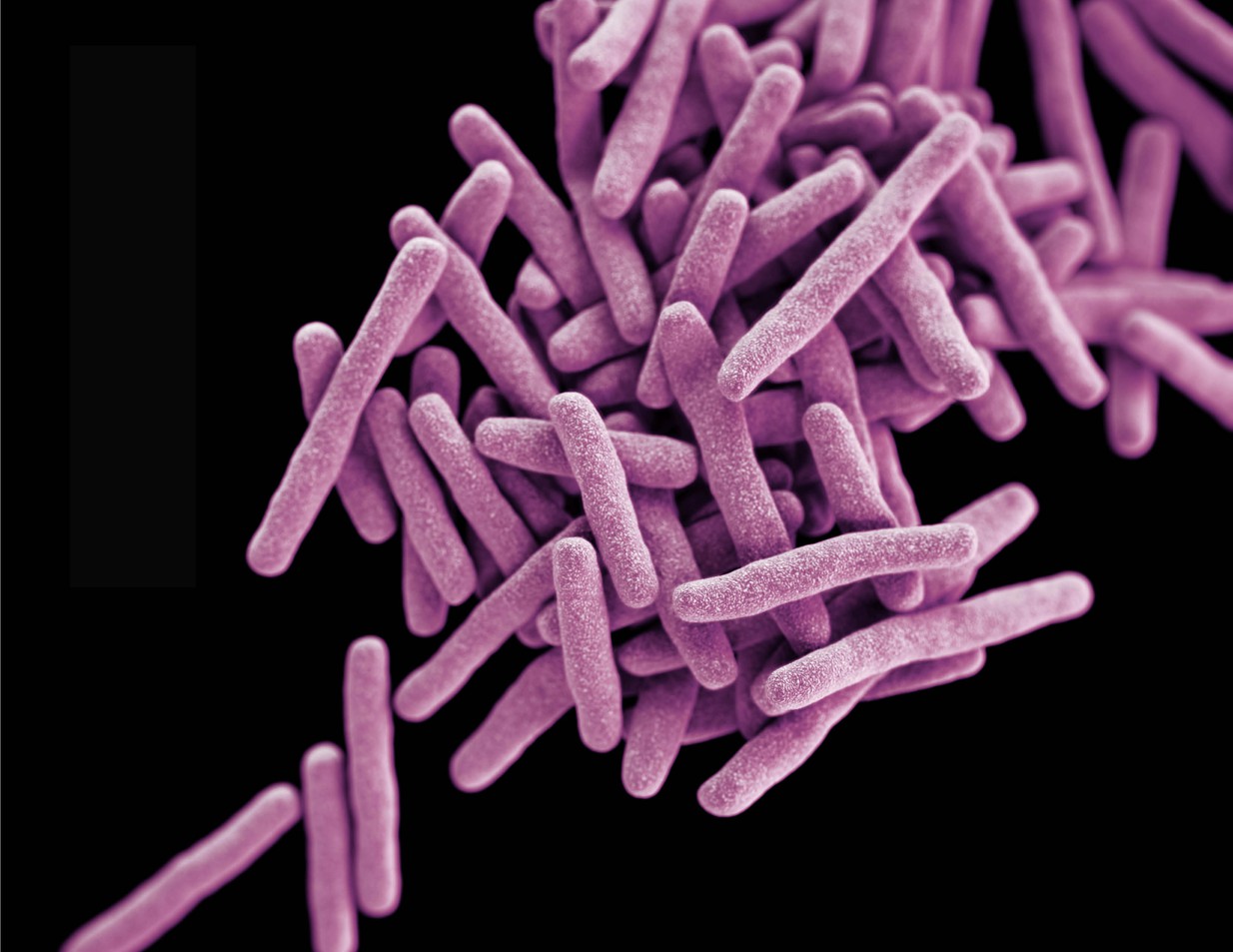
Tuberculosis a.k.a. TB is an infectious and potentially fatal disease caused primarily by what science has identified as a bacterium —Mycobacterium tuberculosis. It is named so because it is aerobic and creates tubercles in the nodules of the lungs, especially the upper oxygen-rich lobes of said organ. The most common form — pulmonary tuberculosis — is caused by inhaling said bacteria in the air from any source already infected. The bacteria can spread to other parts of the body via the lymphatic system. Historically, tuberculosis was catastrophic before the rise in vaccination, medication and milk pasteurization. There has been a resurgence due to modern issues, such as HIV, organ transplant and diabetes. Here, at BIOinvigoRATE, we will discuss what tuberculosis is and what we should do to prevent and reverse the disease.

There are two notable stages of TB: latent TB and active TB disease. Many people with latent TB show no signs of sickness, and may not infect others, and may not — themselves — even be aware they may be infected with the bacterium! That scenario may go on for decades, or for life. Those with active TB disease however, will show the classical signs: persistent coughs (with blood) that lasts for weeks, night sweats, chest pain, weakness and fatigue, chills, lack of appetite, weight loss and so on. In fact, TB was once called consumption because of its weight loss and wasting away characteristics of those who contracted it.

Tuberculosis is easy to catch as it may be, for some people, hard to avoid. Avoiding those who talk a lot or open their mouths a lot would be a good rule of thumb to abide by in avoiding this disease. Avoiding those that spit, sneeze, shout, sing and speak out loud would be the sure precaution that would prevent infection from this disease. There is another little known form of TB bacteria — Mycobacterium bovis — that is spread by the substance of infected cattle. We must therefore avoid unpasteurized milk and cheese products of which the source of origin is unknown.

When our body is infected with bacteria, the immune system sends its first line of defense — macrophages — large white blood cells that engulf the bacteria. However, TB bacteria works differently than other bacteria and is made up of different complex, waxy surface material than other bacteria, making it difficult for our immune cells to disrupt them. Additionally, TB bacteria will then turn the table by changing the structure and chemistry of these macrophages and using them as a source of energy, resource, duplication and transportation. This is one of the biggest mysteries of active TB bacteria and why it has become so drug resistant!

The big questions that arise from the behavioral pattern of active TB are: How does the TB bacteria know to use our own immune cells for its benefit? Why does the TB bacteria want to use our immune cells for its benefit. And who taught TB bacteria everything it knows to use our immune cells for its benefit? It is from these questions why getting rid of TB infection takes so many months, uses so many medications, involves so many research, costs so much money, and has taken so many lives!

Tuberculosis is notoriously associated with low vitamin D, which then causes many medical practitioners to recommend vitamin D supplements to their patients. But, as an example, a lot of people who get sick during the winter months do not get sick primarily because they have low vitamin D levels — but because their immune system is compromised! Low vitamin D is only an indication of a compromised immune system. Yes, patients may feel better replacing D3 synthetically, but that doesn’t fix the problem.
TB is not a low vitamin D problem. It is an iron toxicity and acidity problem in the lungs and surrounding area, causing bacterial infection/infestation! Taking high doses of D3 supplement will cover the problem — then make it worse!

The vitamin D from the sun is different from the vitamin D3 in supplements. True sunlight — the UV-B rays and others — has a strong impact in healing many diseases, including TB. In contrast, supplementing 20,000 IU of D3  (even with K2-MK7) will make you feel better, while simultaneously making your health worse. While supplemental D3 is increasing your D3 level, it is also DEPLETING your magnesium level, your vitamin A level, your copper level and your zinc level — the very things that are MOST needed with TB infection! If you are infected with the tuberculosis bacteria, then take off your outer clothes and sunbathe in the sun!

Also consider D3 supplements, but from real food source, like lichens; rather than the cholecalciferol made from sheep-wool wax, and that is used in rat poison! Irradiated mushrooms may also be a choice to consider. So would a vitamin D lamp.

There are also many herbs that may show promise in building back up the immune system of someone with TB and in eradicating its bacteria! Pelargonium sidoides, a.k.a. African geranium — my first choice — should be one to seriously consider. Other immune system building herbs are guduchi, andrographis, astragalus, pau d’arco, mullein, elderberry, olive leaf extract and eclipta alba. All of the aforementioned herbs have two things in common: they destroy bacteria and reduce inflammation. They also restore lung vitality. They are also loaded with immune support nutrients. Still other herbs that may be helpful are: rosemary, manjistha, Jamaican sarsaparilla and burdock root. Often, finding the right combination of herbs can do wonders in obliterating TB or any other stubborn disease!

Vitamin D Toxicity


You will not overdose on vitamin D from the sun — it just will not happen. The sun regulates not only the cholecalciferol (vitamin D) formed from cholesterol in your skin; but it also regulates everything else: your vitamin A, B, C, E, K, Magnesium, Calcium, Potassium and other minerals and trace minerals. The sun is not just doing one thing — it’s doing and providing many things.

It is dangerous to be taking high doses of vitamin D3 supplements isolated without a complete supplement profile. Even taking  D3/K2 -mk7 is still not good enough. Too much vitamin D3 will automatically lower your vitamin A level. Look up symptoms for a vitamin A deficiency. Furthermore, when vitamin A becomes deficient because of the over-using of vitamin D3, then the stored mineral copper becomes depleted/dysregulated in the liver. Copper is the spark plug of the body. Even some auto-engine spark plugs are made with copper. Even vitamin C is made up partially with an enzymatic copper-carrier, called tyrosinase. Vitamin C, which is most abundant in the adrenal glands, will not work without copper. Thus you have thyroid and hormonal dysfunctionality thinking that it’s an iodine deficiency, when really it’s a copper deficiency, traced back to taking too much supplementation D3. Many women are taking HRT or bio-identical hormones, when all they really need is 2 mg of copper daily.

Taking cod liver oil — which contains both vitamin A and D — will prevent this cascade somewhat because of the retinol (vitamin A) content of cod-liver oil. However, cod liver oil has its own problems, and retinol in supplement form is a poison toxin, that should only be taken for a short period of time, if at all.

Vitamin D is indeed good and necessary for many biological functions — such as helping to regulate the immune system and keeping white blood cells healthy and active. Low vitamin D levels are associated with inflammation and bone pain. I personally supplement with lichens or mushrooms to achieve a healthy vitamin D status. And of course, I try to get as much sunlight as possible and as needed. These are all natural ways to increase vitamin D levels in the body gently, and without trauma.

Some health professionals are saying that the only toxic effect of too much supplement vitamin D is that of raising calcium levels in the blood, leading to a condition known as hypercalcemia! (This also increases the risk of developing kidney stones.) Wait! But there are other issues. The process of turning cholecalciferol into hormone D — a.k.a. vitamin D — is a complicated process, that requires a lot of energy. That energy is spelled: m.a.g.n.e.s.i.u.m. That means a lot of magnesium is being sacrificed to accommodate the complex process of making active vitamin D that is useful to the body. That burning up of magnesium causes calcium to proliferate, since magnesium is needed to regulate calcium.

That complicated process involves turning cholecalciferol (“vitamin D”) into calcidiol by the liver, which is then turned into an active hormone D form, calcitriol, primarily by the kidneys, which then binds to what is called the vitamin D receptor (VDR), which binds to what is known as the retinoid X receptor (RXR), which then binds to vitamin A (retinol). Vitamin D is not really active and is essentially useless without vitamin A.

As previously mentioned, too much vitamin D supplementing reduces retinol (vitamin A) in the liver. Retinol is needed to activate ceruloplasmin — the protein that transports bio-available copper. If retinol is reduced, then bio-available copper is reduced. If copper is reduced, then unbound iron builds up in the blood, since copper controls/regulates iron. If unbound iron builds up, then there is inflammation and rusting of the organs, especially the liver, spleen, stomach, heart and even brain. Don’t believe me?

I ask that anyone who has been taking high doses of vitamin D3 10,000 IU (even with K2-mk7) or more, get a ferritin test. If the test shows over 100, you have a problem. If it shows over 300, you have a serious problem: way too much unbound iron wreaking havoc and causing inflammation, and even autoimmune diseases: the birth of autoimmune diseases!

Colostrum’s Health Benefits: The Myth of the Century


Colostrum: the pre-milk fluid produced in the mammary glands of mammals — specifically here, bovines — just before and immediately following giving birth. A new fad has emerged among adult humans consuming bovine colostrum. But is colostrum for regular human adult use — is that a good thing?

I took colostrum for six weeks, then suddenly, I stopped! Something sinister was going on in the works.
I talked about human DNA methylation — a process which scientists estimate happens either more than one (1) billion times or more than ten (10) billion times each second within our cells. Human growth hormones carry different codes that differ from cows. (The nutritional requirements for even an infant child is different from that of an adult.) These codes translate into epigenetic and (then maybe) genetic changes within our cells. It is unpredictable if, when, how much, how soon and even how human DNA will be affected, and if so, how permanent these changes may affect our health in the future.

There is indeed short-term gain from taking colostrum — but at the risk of long-term damage. A product that boosts or activates the immune system does not mean that product is a good thing. The immune system activates suddenly when it perceives a foreign threat. From this activation, other benefits may happen, but it is often not permanent, and may make a bad situation worse. What may seem as a boost of energy or a relief of IBS may be the slow workings leading to cancer or a heart attack!

It seems to me that continuous use of colostrum may increase mTOR activity, causing a type of growth factor to accelerate in the body. For example, a 60 to 80 pound calf will grow multiple times its weight by the end of weaning off of its mother’s milk. When an adult human male consume bovine colostrum, unwanted growth may accelerate in all the wrong places — like the prostate. Even consuming human mother’s milk will make a human adult person sick. The truth is, the nutritional requirements for babies and adults are different. A human infant ideally have 10 times more copper ratio in its liver to an adult, forming the missing core of its undeveloped immune system. Bovine colostrum may contain a mineral ratio balance that is incompatible for an adult human.

I must therefore conclude that bovine colostrum is for the development of newborn calves, and may be constructive only for that purpose. Continuous consumption of this genetic sensitive product may indeed not be suitable for or compatible with human DNA.

Cancer: Learn How to Beat It!


Cancer, also called malignancy, is a disease in which normal cells turn into defected cells — dividing rapidly and steadily, and in the process, destroying body tissue. Cancer is really a metabolic dysregulation, more specifically, a cellular mitochondrial dysfunction, caused from lack of certain nutrients, an increase in toxins, and thus a massive reduction in energy output. There are over 100 known types of cancers, depending on their  location. Here, I will discuss how cancer is formed and the things we need to do to prevent such.

A cell becomes cancerous when its oxygen requirement is reduced by around 35 percent (or more). Causes for this loss of oxygen is proposed to be an imbalance of mineral ratio in the cells, an imbalance of hormonal ratio surrounding the cells, and especially high levels of unbound iron (cancer cells have up to 15 times more [free] iron receptors than normal cells), and other heavy metals hijacking the cell. Such other heavy metals include cadmium, arsenic and mercury. These all contribute to a reduction of cellular metabolism and ATP.

Cancer cells’ ATP is significantly reduced compared to normal cells. For example, a normal cell may produce up to 36 ATP with a single molecule of glucose, while a cancer cell output may only be 2 ATP through anaerobic glycolysis. There lies the mystery why cancer cells must duplicate so rapidly: to increase ATP totality from some form of glycolysis!

Moreover, a cancer cell can be compared to a gluttonous or desperate thief — it uses just about anything to survive or thrive: anaerobic glycolysis, aerobic glycolysis, fermentation, glucose, glutamine, iron, cadmium, lactate, omega-3 and omega-6 fatty acids, and more.

Our immune system normally keeps cancer cells in check, even those in the millions and hundreds of millions. But when these cells proliferate into two or three billion at a given site, a tumor is forming, and the immune system’s ability to fight or keep them under control becomes compromised.

The environment around cancer cells become very acidic, causing inflammation to the affected, surrounding tissues and organs. It is said that the cancer cells themselves are not particularly acidic — but create an acidic environment by their activities. Depending upon what part of the body we’re talking about, a (cancer) tumor can grow in an acidic environment, while another may for various reasons prefer an alkaline environment.

Contrary to popular belief, the viruses, bacteria or fungi found in cancer cells are not the cause of the cancer. They merely occupy these cells because the condition of the cells allow them to flourish. These same pathogens if placed in the cells of someone with healthy, non-cancerous cells, will not survive. These pathogens do not cause cancer, but are attracted to the cancer. In fact, many of these pathogens may serve as a beneficiary to the victim of the cancer cells, keeping these cells restrained and less lethal. These pathogens when destroyed by natural antibiotics also causes the cancer cells to spontaneously destroy along with them.

The onset of the formation of cancer cells and their proliferation always begins with stress — including metabolic, physical, and especially emotional or mental stress. Stress changes the environment and pH of the cells from alkaline to acidic or from acidic to alkaline. Reducing all types of stresses also reduces the formation of all types of cancers. Reducing stress also reverses the proliferation of cancer cells. But maintaining stress can bring back cancer cells that were already eradicated. In other words, even if one gets rid of cancer, he or she could still have a reoccurrence because of not eradicating the mental stress that helped cause it in the first place.

Conventional methods used to treat cancer in allopathic medicine do more harm than good in reversing cancer cell proliferation. For example, an oncologist will tell their patients that they need to reduce the fever that was initiated by cancer. But a fever caused by cancer is a purposeful healing process jumpstarted by the immune system to burn up that cancer. Oncologists also use resources such as radiation and chemotherapy in an effort to avert the proliferation of cancer cells. But both of these methods are foreign and poisonous not only to cancer cells, but to healthy cells as well.

There are many recommendations for cancer that proponents swear by, including such controversial things as mistletoe and cannabis oil. On these, I will not focus on. But here, I will list for you a host of herbs and supplements and vitamins I feel comfortable recommending in the fight against cancer.

1. Chaparral (dried): This is one of the best, if not the best herb, to fight cancer. It boosts the immune system, increasing absorption of vitamin C in the adrenal glands and thymus. It also destroys cancer loving pathogens: it’s antiviral, antibacterial and antifungal. Indeed, it also blocks cancer cells from dividing.

2. Turmeric with coconut oil: 1/4 teaspoon. This is perhaps the second best herb for cancer! It is anti-inflammatory. Turmeric reinvigorates apoptosis in cancer cells — a process where cancer cells self-destruct, leaving normal cells intact.

3. Pau d’arco tea: This is perhaps the third best. It enhances the antioxidant effects of chaparral. It also destroys cancer-loving pathogens. (Pau d’arco should however be sourced only from the inner bark of the tree of origin.)

4. Amla: This herb containing natural and stable vitamin C will burst cancer cells that have already formed. It is one of the best herb-berry both in preventing and fighting cancer.

5. Red clover blossom: This will balance your hormones. Many cancers, such as breast and prostate, are initiated by hormonal imbalances. Should be used sparingly.

6. Guduchi: This will unclog your liver and gallbladder of gallstones. It also boosts the immune system. It cleanses the blood, preventing it from becoming too acidic.

7. Siberian chaga tea: This will help protect the mitochondria of your cells from cancer cells. Containing many important minerals, like magnesium and copper, needed to fight cancer, this fungus also boosts the cancer destroying antioxidant superoxide dismutase (SOD), destroying cancer cells, and turning superoxide back into water. Most impressive, chaga from white birch trees contain betulinic acid — which has shown great promise in inhibiting cancer cell growth.

8. Organic sea kelp: This will provide you with needed iodine (150 -250 mcg). Everyone with cancer is deficient of this trace mineral on a cellular level.

9. Vitamin D from sun exposure: Everyone who has cancer is deficient of this vitamin. As probably the most powerful hormone in the body, “vitamin D” helps to regulate the immune system and prevent tumors from forming. So consider going shirtless at least three days per week in the sun to obtain the full spectrum of healing. Irradiated mushrooms and lichens are also natural sources of vitamin D.

10. Vitamin K2 mk-7: If you take D3, you must balance it with K2 mk-7 (30 mcg). K2 should always be in its natural all-trans form, found, for example, in natto — a Japanese fermented soybean product.

11. Natural sources of B vitamins, such as Bee pollen or RNA/DNA supplementation: These will help protect your own body’s DNA, as well as help maintain mitochondrial energy.

12. Andrographis: This herb may have an anti-proliferative effect on and destroy pathogens that feed on cancer cells.

13. Olive leaf extract: This will destroy pathogens that feed cancer cells. (Beware of the Herxheimer-reaction, that may last for about one week.)

14. Coenzyme Q10 (CoQ10)/ Ubiquinol: This quinol antioxidant is found in every normal cell and is needed to liven the cell, reinvigorating its mitochondria to produce adenosine triphosphate (ATP). Cancer cells’ aerobic mitochondrial ATP is greatly reduced — though both healthy cells and malignant cells CAN rely on anaerobic glycolysis for energy, cancer cells ALSO rely heavily on the fermentation of glucose rather than the normal process of aerobic glycolysis, or its backup, anaerobic glycolysis.

15. Soursop leaf/Graviola leaf (extract): well known for supporting the body in possibly preventing cellular mutation and metastasis, especially through compounds like acetogenins. Soursop leaf has also been praised for its traditional antiviral, antibacterial, and antiparasitic qualities. For short-term use only — long-term use of graviola might lead to nerve changes, movement disorders similar to Parkinson’s disease, and potentially damage the kidneys and liver.

16. Bentonite clay: You only need perform this two or three times per month, on an empty stomach, away from food, to bind and flush out heavy metals and toxins. Great Plains bentonite is a “great” liquid brand to consider!

Now, these are the foods to eat:

1. Carrot/carrot juice: The beta carotene in the carrot will park in your cell, and the cancer cells will attack that instead of your own body. You can blend it if you like. Retain the fiber.

2. Blueberries/Bilberries: These will protect your cell’s DNA. Bilberries also contain a phytonutrient called anthocyanin, which acts as a free radical scavenger, believed to target cancer cells.

3. Broccoli sprouts: (not Brussels sprouts!) These are one of the best cruciferous vegetables to fight any cancer. Broccoli sprouts contain powerful compounds to fight many cancers, like breast, prostate and urinary cancers. Sulforaphane is one of the main compounds currently being touted by science as having an affect against these cancers.

You can easily grow your own broccoli sprouts at home by purchasing certified organic broccoli seeds. Sprouting takes between three (3) to five (5) days.

Be careful about consuming too much broccoli sprouts,  or any cruciferous vegetables,  as they can deplete iodine from your body.

4. Red cabbage: This cabbage contains lots of interesting properties to fight cancer. Like bilberries, it contains anthocyanins, to help fight cancer-generating free radical.  Additionally,  this cabbage is full of beta carotene,  vitamin C and bioavailable iron — all things needed to fight cancer.

5. Cucumber: Minerals and phytonutrients in cucumbers have been tested to be ideal in fighting cancer cells, particularly of (the hard to fight) pancreatic cancer cells. These phytonutrients include dozens of phenolic compounds,  carotenoids and the well studied cucurbitacin compound. The peel and seeds are the most nutrient-dense parts of the cucumber.

6. Organic kale: Compounds such as carotenoids and glucosinolates may help destroy many cancer cells in the body.  Additionally,  kale is abundant in vitamin C and K — vitamins essential in fighting cancer. Kale is also anti-estrogenic, which also helps fight certain cancers.

Be sure to only consume organic kale, as farming practice used to treat kale may actually be cancer causing.

Also be aware that too much kale may deplete iodine levels in some people.

Also be aware that excess kale consumption may cause bloating and create dysbiosis in the gastrointestinal tract. Cooking kale will help mitigate this.

7. Cooked tomato: contains a carotenoid called lycopene, which may have cancer and tumor suppressor abilities.

8. Mangosteen: hard to find, yet contains a unique class of antioxidant compounds known as xanthones, which may help fight cancer. Consuming excess amounts may lead to internal bleeding.

9. Bok choy: a cruciferous vegetable that contains phytonutrients — like the sulphur containing compounds glucosinolates, which convert to isothiocyanates — that may reduce cancer risk even if consumed just once per week. May be goitrogenic if consumed in excess, uncooked amounts.

10. Watercress: compounds called glucosinolates which convert to isothiocyanates may help protect against cancer.

11. Papaya: high in vitamin C and carotenoids,  like beta-cryptoxanthin and especially, lycopene, which may demonstrate anticancer activities.

12: Parsley: compounds called myricetin and apigenin may help prevent cancer proliferation.

13. Arugula: an unusual, peppery tasting, cruciferous vegetable, containing exceptional antioxidants such as erucin and glucosinolates that are believed not only to be potent cancer fighters and cancer destroyers

14. Black beans: contains antioxidants such as polyphenols and flavonoids, including anthocyanins, that may contain cancer fighting properties.

15. Natto: a fermented soybean product high in both vitamin K1 and K2. High also in manganese, iron, copper, fiber, probiotics and a unique powerful enzyme called nattokinase, which may dissolve blood clots. Thins the blood due to its ability to break down fibrin — the protein that forms during blood clotting. May help fight heart disease and certain cancers. Has an acquired taste, pungent odor. Caution if on anticoagulants, as it thins the blood.

These are the foods to limit:
Limit muscle meat
Limit fish


Avoid fried foods
Avoid chicken
Avoid eggs
Avoid milk
Avoid cheese and other dairy
Avoid all nuts
Avoid seeds, including chia- and flax seeds.
Avoid soy and tofu.
Avoid hemp
Avoid avocados
Avoid sugar alcohols
Avoid artificial honey
Avoid cauliflower. It robs your body of minerals.

•          •          •          •          •          •          •

Now, there are amazing other ways to fight cancer. I want you to research this: Ozone therapy. Ozone stimulates all the natural anti-cancer immune reactions in the body and directly is able to make cancer cells burst, killing them through the creation of lipid peroxides at the cancer cell membrane. Research the: Cold Corona Ozone generator.

Crohn’s Disease: Trauma, Immunity, and a Holistic Healing Perspective


Crohn’s disease is a chronic form of Inflammatory Bowel Disease (IBD) characterized by deep, transmural inflammation that can affect any part of the gastrointestinal tract. Unlike ulcerative colitis, Crohn’s can involve the full thickness of the bowel wall and may lead to strictures, fistulas, obstruction, and malabsorption.

Modern medicine understands Crohn’s disease as a complex immune-mediated disorder influenced by:

  • Genetic predisposition

  • Immune dysregulation

  • Gut microbiome imbalance

  • Environmental triggers

Key inflammatory mediators include tumor necrosis factor (TNF-alpha) and interleukins such as IL-12 and IL-23. Conventional treatment often includes biologics, corticosteroids, and immunomodulators, which can be lifesaving in moderate to severe disease.

What follows is not a rejection of that model — but a complementary, integrative perspective based on physiology, traditional medicine, and my personal experience.


Trauma, Stress Physiology, and the Gut–Brain Axis

The gut and brain are deeply interconnected via the gut–brain axis, involving:

  • The vagus nerve

  • The autonomic nervous system

  • Cortisol and stress hormone signaling

  • Neurotransmitters such as serotonin

Chronic stress and trauma are not established causes of Crohn’s disease. However, stress is well documented to worsen symptoms and potentially trigger flares.

From a physiological perspective, trauma may influence:

  • Cortisol regulation

  • Immune reactivity

  • Gut motility

  • Intestinal permeability

Depression can feel like stagnation of the mind. In a holistic model, that stagnation may mirror slowed digestive motility or altered autonomic balance.

My position is not that trauma causes Crohn’s outright — but that unresolved stress patterns may amplify immune dysregulation and inflammatory cascades in susceptible individuals.


Immune Dysregulation and the Microbiome

Crohn’s disease involves inappropriate immune activation against intestinal microbes. Research shows:

  • Reduced microbial diversity

  • Altered bacterial populations

  • Decreased short-chain fatty acid production (especially butyrate)

  • Increased intestinal permeability

Some individuals also experience complications such as:

  • SIBO (Small Intestinal Bacterial Overgrowth)

  • SIFO (Small Intestinal Fungal Overgrowth)

Addressing microbial balance may be an important complementary strategy alongside medical care.


Bile Flow, Liver Function, and Digestive Efficiency

The terminal ileum plays a critical role in bile salt reabsorption. In Crohn’s patients with ileal involvement, bile acid malabsorption may occur. Gallstones are also more common in Crohn’s.

From a functional digestive perspective, impaired bile flow may affect:

  • Fat digestion

  • Nutrient absorption

  • Microbial balance

  • Stool consistency

While bile dysfunction is not considered the root cause of Crohn’s disease in conventional medicine, aggressively supporting bile formation and flow may assist digestive efficiency in certain individuals.

Traditional systems of medicine emphasize bitter and sour foods to stimulate digestive secretions, including bile.


Nutrient Deficiencies in Crohn’s Disease

Malabsorption and chronic inflammation frequently lead to deficiencies in:

  • Bioavailable iron

  • Vitamin B12

  • Folate

  • Magnesium

  • Zinc

  • Vitamin D

  • Protein

These deficiencies can worsen fatigue, immune imbalance, and tissue repair.

Any integrative approach should assess and address nutrient status.


Holistic and Traditional Support Strategies

The following approaches range from traditional use to emerging evidence to personal experience. They are not substitutes for medical care.


1. Dragon’s Blood (Tincture)

Used in Traditional Chinese Medicine for gastrointestinal irritation and tissue repair. Preliminary research suggests anti-inflammatory and antimicrobial properties.


2. DGL (Deglycyrrhizinated Licorice)

Taken before meals, DGL may soothe mucosal linings and support barrier integrity.

Personally, this significantly reduced my digestive irritation.

DGL is for temporary use only. Though it is a different form of licorice, it may still lower potassium status with continuous use and lead to high blood pressure.


3. Zinc (Preferably Food-Based or Well-Formulated)

Zinc plays a key role in intestinal barrier repair and immune function. Deficiency is common in IBD. Dosage and form should be chosen carefully.


4. Guduchi + Ginger + Turmeric (with Coconut Oil)

  • Guduchi (Ayurveda): immune modulation and liver support

  • Ginger: motility and anti-inflammatory effects

  • Turmeric (curcumin): studied for anti-inflammatory properties

This combination, especially when taken with coconut oil, has been one of the most effective interventions in my personal experience.


5. Wild Chaga Tea

Chaga contains antioxidants and trace minerals. Traditionally used to support immune resilience and cellular health.


6. Olive Leaf Extract

Traditionally used for antimicrobial support. May assist in microbial balance, though resistance patterns and long-term effects are still being studied.


7. Sunlight, Vitamin D, and Circadian Rhythm

Vitamin D deficiency is common in Crohn’s disease.

Moderate sunlight exposure may help support:

  • Vitamin D production

  • Circadian rhythm alignment

  • Mood regulation

Serotonin is largely produced in the digestive tract. Sleep-wake cycles influence serotonin and melatonin balance. My personal theory is that disrupted sleep timing may interfere with optimal neurotransmitter cycling, potentially affecting mood and digestive regulation. This hypothesis requires further research but emphasizes the importance of proper sleep hygiene.


8. Vegetables and Phytonutrients

Cooked vegetables such as:

  • Watercress

  • Bok choy

  • Yu choy

  • Asparagus

  • Red cabbage

  • Parsley

  • Daikon radish

  • Kohlrabi

  • Bitter melon

provide compounds that may support detoxification pathways and immune balance.

Bottle gourd (calabash) is praised in Ayurveda for soothing digestive inflammation.


9. Sour and Bitter Foods

Granny Smith apples and bitter melon may stimulate digestive secretions, including bile flow. Bitter melon, however, is not recommended for pregnant or breastfeeding women.


10. Dietary Avoidance (Individualized)

Common irritants may include:

  • Highly processed foods

  • Industrial seed oils (canola, soy, corn, safflower)

  • Alcohol

  • Certain dairy products

  • Highly refined sugars

Tolerance varies between individuals and between flare and remission phases.


11. Coffee Enemas (With Caution)

Organic, medium roast coffee beans: used in some detox traditions rectally (as cooled tea), to ultimately stimulate bile flow. However, risks include electrolyte imbalance and infection. This practice is not widely supported by mainstream gastroenterology and should only be considered with medical guidance.


12. Digestible Oils

Coconut oil (rich in medium-chain triglycerides) may be easier to digest for some individuals. Extra virgin olive oil may also be tolerated.

Highly processed vegetable oils may promote inflammation in susceptible individuals.

Coconut oil and extra virgin olive oil should not be used for high heat cooking — only light cooking or raw. For cooking over 375°F, peanut oil would be an ideal choice.


Flares vs. Remission

Management differs depending on disease phase.

During acute flare:

  • Low-residue or gentle foods may be necessary

  • Medical supervision is critical

During remission:

  • Microbiome rebuilding

  • Nutrient repletion

  • Stress regulation

  • Gradual dietary diversification


When to Seek Immediate Medical Care

Seek urgent medical evaluation for:

  • Persistent rectal bleeding

  • Severe abdominal pain

  • Signs of obstruction

  • High fever

  • Rapid weight loss

Crohn’s disease can become life-threatening if complications develop.


Personal Reflection

I do not claim that these strategies cure Crohn’s disease. Rather, I believe that addressing:

  • Immune balance

  • Microbial ecology

  • Bile efficiency

  • Nutrient sufficiency

  • Stress physiology

  • Sleep regulation

together may help reduce symptom burden and support resilience.


Final Perspective

Crohn’s disease is a serious immune-mediated condition requiring medical oversight. Integrative strategies may complement — not replace — appropriate treatment.

This article reflects a holistic, physiological, and experiential perspective intended to broaden the conversation, not close it.


Edited or assisted by AI tools.