The Ketogenic Diet & Insulin Resistance


The facts and truths in this article are currently being verified.  Stay tuned.


A low carbohydrate, high fat, and moderate protein diet: it is the ketogenic diet! Many in the ketogenic world are observing and reporting better health: clearer thoughts, smoother skin, lowered Hba1c, lowered insulin, stabilized blood pressure, better heart function, better sight, sometimes lowered cholesterol, and a host of other health benefits, while all the while losing excess weight. From my observation and research however, there is something sinister lurking beneath the surface. Here I will discuss the truth of insulin resistance, and what is actually happening behind the scenes with those on the ketogenic diet.

Insulin is a non-steroid hormone needed for proper bodily function. Insulin resistance is when the body’s cells refuse to allow insulin to penetrate them  and bring glucose in, causing an abnormal high presence of insulin amassing in the blood. This then results in an accumulation of glucose also lingering in the blood. When someone goes on the ketogenic diet and later gets a blood test, their insulin and blood glucose level may read normal. However, as you’re about to see, there may be more to the story than meets the eye.


When someone goes on the ketogenic diet, the first weight loss is actually water loss. Carbohydrates store water, yet are classified as a non-essential nutrient by science. Is this accurate though? First of all, the hormone estrogen naturally burns glucose/sugar/carbohydrates when things are working properly. If there is reduced or no glucose to burn, then there is an effect in estrogen production — an abnormal decrease, or a paradoxical increase, from also consuming excess fat. This estrogen decrease or increase may then impede progesterone from functioning properly. Question: How many menstruating women are suffering from amenorrhea ever since going very ultra-low carb?

Carbohydrates increases hydration in the body. In fact, the two main things needed for cellular hydration are probably glucose and clean air. Our body, with the help of B vitamins, Co Q10 and other things, turns glucose into water and carbon dioxide. The air we breathe into our lungs also turns into a gel-like substance that hydrates the cells; and this hydration may be a form of structured water, more specifically known as exclusion zone (EZ) water. Drinking water does not only hydrate the body, but also flushes out metabolic toxins, through urination, sweat and exhalation. It is also needed for times when histamine is being activated and raised, to hydrate toxins in the body. Water is also needed to balance electrolytes.

Too much sugar will worsen insulin resistance, so reducing excess sugar would make sense. But is it the root cause of it? Could it be that insulin resistance is associated with gallstones, clogging the gallbladder — more so than sugar is? In other words, your liver may not be working properly due to intrahepatic stones spilling over and clogging the gallbladder that holds the bile that it produces. So, if you have insulin resistance, think that you may need to start working on your liver and gallbladder to fix the root cause of the problem. Gallstones in the gallbladder leads to all manner of other evil: Estrogen dominance, low testosterone,  clogged lymphatic system, bloating, SIBO and a fatty pancreas!

The actual truth is : Insulin resistance and diabetes are not caused by consuming too much sugar and/or carbohydrates — they may be the results of consuming too much animal proteins and fats! Animal protein raises insulin, even more than sugar does. Proteins are amino acids — which are acids. Acids need to be buffered by alkaline minerals, such as magnesium. What that means is every time you eat animal protein, magnesium, potassium and other minerals are being depleted because they must buffer all those (amino) acids. A similar principle may apply to the (fatty) acids from certain fats we consume. Now insulin comes in to the rescue — to bring down your glucose back to “normal” and we think everything is okay! The constant flow of insulin comes at a price however. It has rough edges, and can wear our sensitive inner cavity apart.

– Milk causes insulin resistance
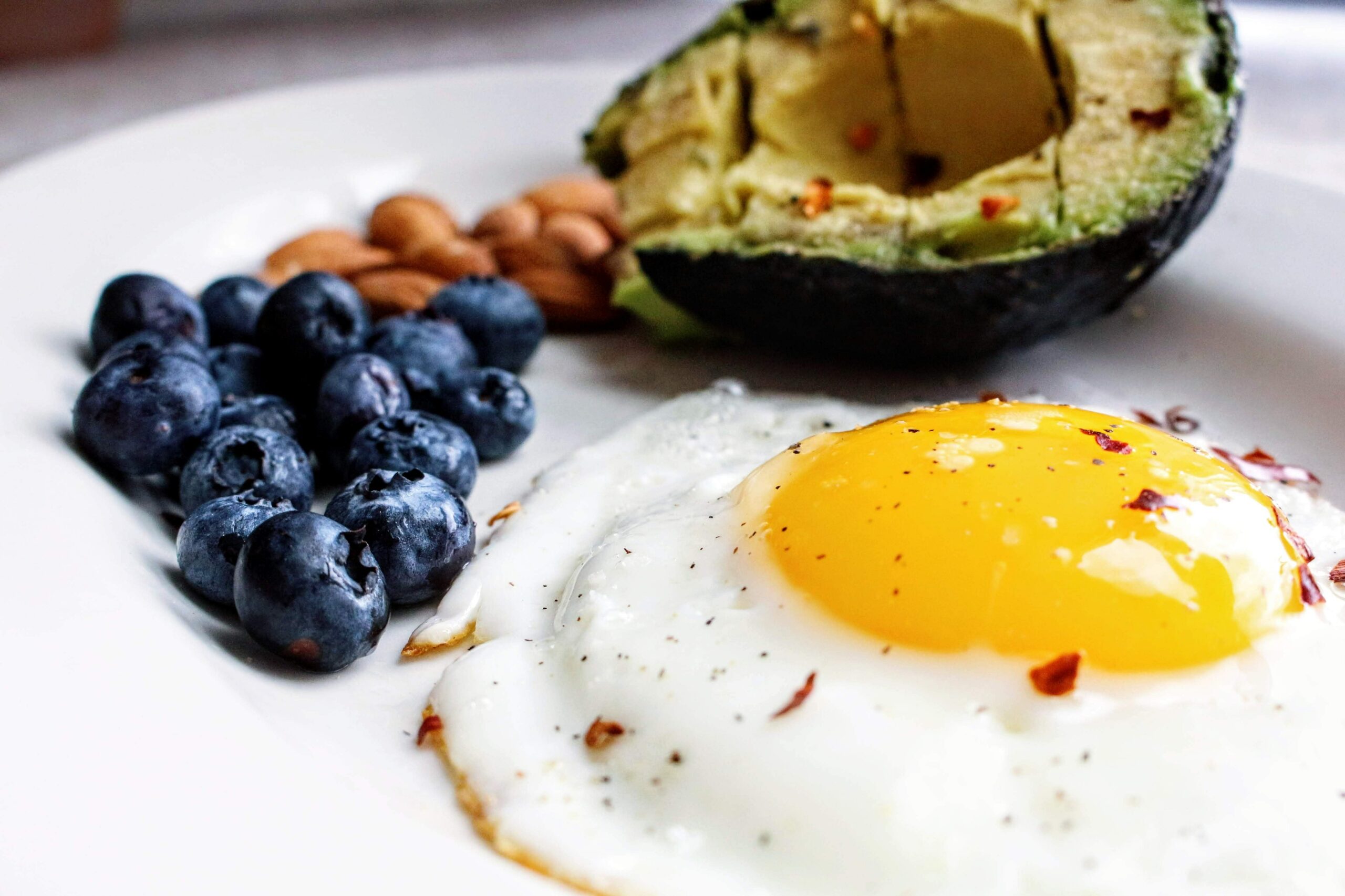
– Eggs cause insulin resistance
– Cheese causes insulin resistance
– Chicken causes insulin resistance
– Fish causes insulin resistance
– Steak causes insulin resistance
(In fact, an average serving of steak raises insulin more than 12 teaspoons of sugar!!!)
– Saturated fat causes insulin resistance
– Fish oil causes insulin resistance
– Polyunsaturated fats causes insulin resistance
– Omega-3 Fatty acids causes insulin resistance:
– DHA, ALA and EPA causes insulin resistance
– KETOSIS CAUSES INSULIN RESISTANCE.
Yes, even burning fat itself causes insulin resistance! Continue reading “The Ketogenic Diet & Insulin Resistance”

Oral Hygiene: How to Obtain and Maintain It


What causes cavities in our teeth? Is it bad bacteria? No, bad bacteria only show up after the crime scene. Then what is it? It’s our oral pH. That’s right! If our mouth is too acidic, then that changes the natural environment our teeth and gum need to thrive in. Consequently, if it’s too alkaline, then that gives way for destructive bacteria to thrive in, and once again turn its environment acidic also.

Are your teeth decaying? Are you considering a root canal? If you are, then know this: your blood is full of destructive bacteria! To prove this, then just do this: get olive leaf extract in tincture form and use it according to the label instructions. I can assure you by a few hours, you will feel as if you are sick, with a cold or something, even a sore throat maybe. This sick feeling — you probably know — is actually a good thing. It is only temporary. It’s called the Herxheimer reaction. It is the mass destruction of bad bacteria in the blood that the stomach and liver could not have neutralized.
To change the environment of your mouth to a neutral— not too acidic, not too alkaline — to prevent tooth decay, to reverse tooth decay, and gum disease, there is an old ayurvedic method that has been practiced for thousands of years: Oil pulling (a.k.a. oil swishing).
Oil pulling as we know it in the U.S.A don’t work. It uses the least effective kind of oil — coconut oil — and for too long: 20 minutes. Flossing too can be dangerous, and using a hard toothbrush can also be too abrasive . What will work?

1.  Unrefined, organic, cold-pressed (or expeller-pressed) sesame oil, first thing in the morning before you eat anything. Slowly swish one (1) tablespoon of this for no more than 3 minutes. Then spit out and (optional) rinse your mouth with salt water. Repeat if desired. Then brush teeth with (toothpaste and) a soft/medium bristle toothbrush.

2.  Wheatgrass (juice) powder, 1/4 teaspoon in 1 ounce of water — also for 3 minutes. This is many times more effective than coconut oil pulling; providing ideal pH for oral bacteria.

3.  Food-grade hydrogen peroxide (3 percent), 1/8 teaspoon in 1 ounce of water. Swish for 10 seconds, then spit out! I recommend you do this on a restricted bases, being that hydrogen peroxide kills both bad and good bacteria in your mouth. You need those good bacteria as much as you don’t need the bad ones. So I recommend hydrogen peroxide use only once or twice per month. Don’t even breathe in bottle when you open. AVOID the 35 percent hydrogen peroxide: it is too concentrated and (in my opinion) dangerous.

You should also spray your toothbrush with hydrogen peroxide each time before and after brushing teeth, as toothbrushes harbor a plethora of bad bacteria!

Instead of flossing, use a (quality brand) waterpik.

So, after swishing (sesame oil or wheatgrass) slowly for 3 minutes, spit out. Do not swallow either the sesame oil, wheatgrass mix or hydrogen peroxide. They will be filled with bacteria. Only 3 to 4 minutes is necessary. (Ten seconds is enough for the hydrogen peroxide.) Any longer will make the bacteria reabsorb back into your blood, teeth, etc. So, sesame oil in the morning, wheatgrass in the afternoon, and hydrogen peroxide once or twice per month is how I would do it. Or just choose one product of the three choices only — my personal favorite is the sesame oil swishing, followed by the wheatgrass juice mix.

Also, if your teeth is bad, your stomach, liver and blood are toxic because of toxins and nutritional deficiency. Your mouth depends on a healthy stomach to work properly. Think of your mouth as the door to a cave, the teeth are the gate,  and the esophagus and rest of the digestive system are the pathway within that cave. The exit to the cave is the anus. To keep bad things from backwashing into the entrance area (the mouth) or gate area (the teeth), we need everything else to be working properly. Use Icelandic sea kelp for your micro nutrients and wild chaga tea for your macro nutrients. And as previously mentioned, use olive leaf extract occasionally to destroy excessive bad bacteria.


In our effort to perfect oral health, we often overlook gum health. There are two diseases mainly associated with the gum. The first is caused by the build up of plaque, that then leads to the formation of a hard structure called tartar. That disease is called gingivitis! Gingivitis is inflammation of the gum. If gingivitis is not treated, it leads to the second gum disease, known as periodontitis! This second disease not only affects the gum, but also the bone structure that holds the teeth in place.

Plaque by itself is not a bad thing. It would be a terrible idea to try to continually eradicate all plaque from your mouth by using something like xylitol gum, or hydrogen peroxide, all the time. We need plaque to:

  • Provide nutrients to teeth
  • House friendly bacteria which create a proper pH of no less than 5.5 (ideally 6.9) for the mouth
  • House friendly bacteria which create their own hydrogen peroxide to drive off bad bacteria.

Plaque is only dangerous when it increases to a level intolerable for healthy teeth and gum.

To maintain proper gum health, consider a tree sap product known as:

  • Dragon’s blood (tincture).

This product will help heal receding gum that may lead to gingivitis. Add the tincture to the gum area for 30 seconds or 60 seconds. It will produce a feeling in your mouth that takes time to get use to.

To maintain proper plaque levels on the teeth or to reduce excessive plaque, consider

  • vitamin K2 MK-7, in its trans form.

This will help remove excess plaque from teeth and gum area.

To prevent gum bleeding, natural vitamin C is the remedy for that. Try

  • Amla or Acerola

So in summary, for proper oral hygiene, try:

– Unrefined, organic, cold-pressed, sesame oil (3 minutes swishing) first thing after waking up

– Wheatgrass (juice) powder (3 minutes swishing)

– Food-grade hydrogen peroxide/3% (10 seconds swishing). For short-term use only!

– Dragon’s blood tincture (30 seconds to 60 seconds swishing)

– Vitamin K2 MK-7 in its trans form. Ingest.

– Natural Vitamin C: Amla/Acerola

– Also consider ingesting icelandic sea kelp, wild chaga tea and olive leaf extract for digestive health; spray your toothbrush with hydrogen peroxide before each use, and use a quality brand waterpik instead of a regular tooth floss.

Healing Chronic Constipation


We need to move our bowels everyday, at least once a day — otherwise toxins build up, and poison our blood and tissues. These toxins are created by the fermentation of putrefying food, and the bacteria that feed on them, the metabolic waste produced by our cells, the indigestible toxins in food, and others. It is critical that these poisonous agents be removed from the bowels daily. If they are not removed on a timely basis, they reabsorb back into our blood and settle in vulnerable tissues throughout the body.

Chronic constipation can be very stressful and debilitating to the mind. It can also be very uncomfortable and painful for the body. But healing it — when you discover how — can be amazingly simple and invigorating. What many people don’t know is that the stomach, small intestine and colon are made of: muscle. When you ingest food, this muscle (called smooth muscle) pushes the food along via automatic variations of contractions and expansions. The nutrient most responsible in aiding in the automatic process is none other than vitamin B1 (otherwise known as thiamine).

I recommend you take 50 mg of this vitamin for a week or two, and I can assure you, you will never have chronic constipation again. Do NOT take it with other B vitamins at the same time during this process: B vitamins compete with each other, and reduce each other’s effectiveness if you take them at the same time.

I may not know you personally, but I can assure you, if you have had chronic constipation for many years, your brain cells are being affected. The colon has direct connection to the mind and brain. That is why depressed people often get constipated, and vice versa. I recommend you start taking these four (or five) other herbs, and I’ll tell you why:

a.) Shatavari or Triphala: Shatavari is good for maintaining a healthy colon, thus a healthy mind. It also balances the hormones.

Shatavari, used excessively, may increase estrogen levels in the body over time — so I only recommend using this for a few days at a time.

An everyday supplement that can be used to keep the bowels relatively healthy is a very popular ayurvedic herb-berry blend called Triphala. This herb-berry blend contains amla, haritaki and bibhitaki.


b.) Olive leaf extract: this herb acts as a natural antibiotic, killing bacteria, viruses, fungi/funguses such as mold and yeast, and other pathogens. Unlike synthetic drugs such as penicillin, whereby these germs can build up a resistance, they CANNOT with olive leaf extract. (Watch out for the Herxheimer-reaction. I can assure you, you will experience it for about a week. It’s natural.)

c.) Turmeric with coconut oil: This is good for the brain cells and to prevent cancer tumors from forming/developing in the colon. 1/4 teaspoon once per day, and no more. Too much of a good thing — even that can lead to bad things.

d.) Guduchi: If I could only recommend three herbs to people, this herb would be one of them.

I personally suffered from chronic constipation every time I used the restroom for the entire first 20 years of my life. It was not until I read about the muscular coordination of the digestive tract and that vitamin B1 was the solution to fix that, that I finally received relief. It took three days of me using 50 mg of B1 to resolve my chronic constipation forever. Depending on your situation, you may need to try the other supplements I recommended to resolve the further damage long term, chronic constipation may have contributed to.

Healing Parkinson’s disease

•••

Parkinson’s disease is a neurodegenerative disorder characterized by movement abnormalities, uncontrollable shaking, stiffness and lack of balance. In the later stages of this disease, dementia symptoms is likely to occur. In Parkinson’s, a large number of particular cells in the substanti nigra (dark mid-brain region) die earlier than they should. As a result, the remaining cells cannot produce enough dopamine to keep the body’s motor system running smoothly.

When two-thirds or more of the some 990 thousand neurons in the substantia nigra are damaged, Parkinson‘s is revealing. What goes up must come down, but in the case of Parkinson‘s, what goes down, is coming all the way back up — all the way into the brain. The toxic chemicals we are ingesting in the intestines is backwashing upwards. When someone has Parkinson‘s, eating healthy is no longer the main issue. Unclogging and detoxification all that toxins is. Focusing on eating healthy at this point is like putting an air-freshener next to a clogged toilet. We do need to eat healthy though, especially foods containing B vitamins, like sweet potato, black beans, asparagus and crimini mushrooms — but to really heal, we need to unclog the toilet.

Under normal circumstances, our body inevitably loses about ten percent of dopamine each decade in early adulthood — but with Parkinson’s, the level of dopamine decrease is astronomically accelerated. In the case of nourishing the substantia nigra, there is a legume called mucuna pruriens a.k.a. velvet bean – which is a bean that is a good source of L-DOPA (a direct precursor to dopamine).

If you have Parkinson’s disease, remember one thing: your digestive tract is full of old, hard feces, because you were not eliminating everyday. To activate and maintain daily bowel movement, try the ayurvedic herb shatavari. Vitamin B1 works too: 50 mg temporarily. So does high dose amla. An herb called cascara sagrada will work for really stubborn constipation!

Because you were not moving your bowels everyday, the liver clogged up with intrahepatic stones; the gallbladder clogged up with gallstones, the lymphatic system clogged up with toxins and undigested proteins from animal products, the cells’ mitochondria clogged up with heavy metals instead of minerals and vitamins needed to function. Noticing the key words: “clogged up”. These heavy metals include cadmium, cesium, aluminum, tin, mercury and iron — yes, when iron is unbound, roaming freely, it is quite destructive — reaching the level of being a heavy metal; and a very destructive one at that!
To decongestant the liver, try
– Kutki (Swedish bitters, Burdock root or Artichoke extract works well too)
– TUDCA
– IP-6 ( on an very empty stomach)
If you rather not do IP-6, donate 1 liters of blood every 6 months to a year to get rid of the free, unbound iron that is literally rusting your liver. And for those with Parkinson’s disease, the rusting has already reached the brain!
To decongest the lymphatic system, try:
Red root or manjistha. Manjistha is the lymphatic system decongestant.
To remineralize the body, try a natural source multi-vitamin/mineral, like Naturelo Whole food multivitamin.

People with Parkinson’s disease will also tend to have low vitamin D3 levels. Low vitamin D3 levels means inflammation — the body is internally hot and inflamed. The low vitamin D3 level does not only mean they need to increase their D3 level — it also means they need to increase their magnesium level. There is a co-relation between magnesium and vitamin D3. If D3 is low, then magnesium is low. If you increase magnesium, then D3 will automatically increase as well. And, naturally increasing D3 through sunlight, or through food sources like lichens or irradiated mushrooms may automatically increase magnesium levels as well.


So in summary, to reverse Parkinson’s disease, as a quick fix, try,

  • Mucuna pruriens, due to its natural dopamine content.

To maintain sustainable healing:

  • Move bowels daily. Shatavari, B1 and high dose amla helps. Cascara sagrada works for really stubborn constipation!
  • Cleanse your liver. Bitters, particularly kutki, will help. Swedish bitters, Burdock root and Artichoke extract works well too.
  • TUDCA, which is a water soluble bile acid, may increase bile flow.
  • IP-6 -inositol or donating blood will help rid excess, toxic iron inflaming the cells.
  • Red root or manjistha will help keep the lymphatic system moving.
  • A natural multivitamin, such as Naturelo Whole food multivitamin, will help remineralize the body.
  • Magnesium and natural sources of vitamin D3 will reduce inflammation, as well as restore the lack thereof of these nutrients.


The Truth about Fish Oil and Cod Liver Oil


Fish oil, like the name implies, is oil extracted from the tissues of  (oily) fish, namely among mackerel, herring and tuna. Cod liver oil, as the name also implies, is oil extracted from the liver of the cod fish. There is a similarity between fish oil and cod liver oil: they are both terrible for human consumption.

Even if one is cold-pressed, and the other is cold-pressed, extra virgin, they both quickly oxidize even in your stomach, generating destructive free radicals.
Omega 3 fatty acids being essential is a myth. The human body and brain does not need DHA or EPA from fish oil or cod liver oil. That too is a myth, and a dangerous one at that!

There are some parts of the human digestive system -specifically within the duodenum – that if you could touch it, it would burn you like fire. Ayurveda calls it “AGNI.” Fish oil comes from cold water creatures for the most part. Fish oil is too unstable for the AGNI process.

If you think you are getting a balanced source of vitamin A and vitamin D3 from cod liver oil, you are sadly mistaken. The cod liver oil of today is not the same cod liver oil your great grand-mother insisted upon. There are two main forms of vitamin A, retinol and beta carotene. The beta carotene is a pre-form which the liver has the control to convert into the necessary levels of vitamin A the body needs. Retinol is pure vitamin A without restrictions — your body can overdose on it. Our liver is designed to make retinol from carotenoids, found in beta carotene from food, and not absorb it purely from synthetic (or extracted oil) sources.  Furthermore, retinol in cod liver oil competes with vitamin D3, reducing vitamin D3 effectiveness.

And furthermore, both fish oil and cod liver oil are capable of producing a disease that is rarely, if ever, talked about in the medical community: yellow fat disease (or pansteatitis.) This disease not only affects animals, such as felines, but also affects the liver of the human body. The liver of any animal, including cod fish liver is always a toxic, poisonous organ, and should be used sparingly.

I love fish, when they are alive. The unnecessary mass destruction of the marine ecosystem is now having a powerful effect on our climate. Some tsunami and earthquakes may be at the hands of human meddling!

Aluminum toxicity: What We Need to Know


Above all, aluminum is one of the most evasion heavy metals found in our daily lives. Where is it found? Better yet — where is it not found? It is in the air we breathe, in the water we drink, in the soil, in aluminum cookware and utensils, in some sugar, salt and flour; in vaccines, medication and antacids; in antiperspirant and in processed (American) cheese. And the most obvious , it is in aluminum foil. In other words, aluminum is everywhere.

Aluminum is a drying agent, cheap and flexible — used to dry things: flour, sugar and the underarm as antiperspirant sweat suppressant. But it dries up other things we don’t want dried up, like our energy and stamina, our glutathione antioxidant, our dopamine and serotonin, 5-Htp, reducing enzymatic activity. Since it crosses the blood, brain barrier (BBB), it is a prime suspect in reduced brain function and dementia.

Getting rid of aluminum may not be as easy as one thinks. It can sometimes take years even if you are doing everything right, with the right ingredients. If you have aluminum toxicity, then this means you probably or automatically have mercury toxicity. If you have mercury toxicity, might as well we add tin toxicity, lead, thallium, cadmium, nickel, arsenic and cesium.

So aluminum affects the brain more than any other system of the body, impairing memory and cognition. It replace nutrient minerals in enzyme binding sites. When this occurs, the metal alter thousands of enzymes meant to feed the mitochondria — thus starving the cells of nutrients and functionality. We then need to talk about not autophagy, but mitophagy: the cells’ necessity to destroy mitochondria in hopes of replacing them with new and better ones.

Generally speaking, to get rid of heavy metals, you need a chelator — something that grabs the heavy metal. And you need a binder, something that directs the heavy metal out of the body.
I am currently using IP-6 and modified citrus pectin to accomplish both, at night on an empty stomach. IP-6 (aka phytic acid) must be taking away from foods and supplements because it depletes said, on contact.

How to know if you have heavy metal toxicity?

Perhaps the most convenient plus effective way to test for aluminum toxicity is a 24 hour urine collection test. Aluminum is primarily excreted by the kidneys.

Another test is the Serum Aluminum (blood test). This may not be reliable for chronic aluminum toxicity, since aluminum quickly leave the blood and accumulate in the bone and brain.

Another test is the Hair Mineral Analysis test, which may be inaccurate if the aluminum is externally adhered to the hair from air, water or cosmetics.

How to get rid of aluminum toxicity?

Since aluminum is mostly excreted through the kidneys, a proper functioning kidney is essential. Herbs such as astragalus and dandelion root will help ensure proper kidney function and excretion, respectively.

Any metal toxicity means the individual is mineral deficient. The two best minerals to help detox aluminum from the body are blatantly silica and magnesium! Interestingly, silica and magnesium are also two main minerals needed to reverse osteoporosis. Magnesium is essential for proper calcium absorption and bone health, potentially helping to balance the effects of aluminum on the skeletal system. Some studies have suggested that silica helps with bone regeneration and might help balance calcium metabolism

Silica, in its absorbable forms (silicon dioxide and orthostatic acid) may bind to aluminum, preventing it from entering cells and tissues, especially the brain. This binding effect may lead to improved excretion of aluminum through the kidneys.

Magnesium and aluminum are both metals that compete for the same receptor sites of cells. Increasing magnesium may enhance the outcome of it becoming a dominant competitive inhibitor to these sites. A decrease or depletion of magnesium increases aluminum’s chances for taking over these cellular receptive sites. Bottomline, to reduce the effects of aluminum, increase magnesium.

What about chelators?

To gently help excrete heavy metals from the body, turmeric (with black pepper or coconut oil) has been the legendary go-to for that. Turmeric is an anti inflammatory and a chelator. It also contains a moderate amount of magnesium.

Turmeric is poorly absorbed, that is why black pepper or some type of oil should be included to increase its absorbability.


Should We Be Taking Zinc Supplements?

•••

Zinc is an important trace mineral that serves both  as an antioxidant and an oxidant. It is also an essential mineral in which you can easily overdose on. If your body is having difficulty absorbing it, then it is no longer a trace mineral, but an irritant poison. Zinc is not one of those trace minerals that does wonders on its own. It serves as a structural support alongside other minerals. It is needed to help boost testosterone, sex drive, brain function; strengthen gut lining and immune system boosting. It is a helper and needs help helping.

Alas! If you have a zinc deficiency you have a mineral deficiency of every mineral in your body. Interestingly, too much zinc also depletes all minerals in your body. Zinc’s role is also a stealer of other minerals.
If you are planning on taking zinc as a supplement, beware. Those sexually active men need zinc; the standard American diet depletes zinc — but too much isolated zinc can in men cause prostate cancer. If you are taking 25 mg to 50 mg of zinc per day, beware. Copper is needed to regulate zinc and too much zinc depletes copper in the liver. This copper loss can lead to liver damage. If you have a zinc deficiency, then you have a zinc deficiency not because you need more zinc but because you need more of every single mineral that the human body requires.

Zinc is one of those mineral that is easy to lose if you are not getting enough from the diet. However, using synthetic supplement is a no no for wisdom’s sake.  I was once taking a supplement called Oysterzinc, made from real oysters obtained in the Atlantic waters on along Ireland’s coastline. But apparently, that supplement is no longer available. Now I’ve found some other zinc supplements — stated to come from real food.  One such supplement is from a company named Food Research. Their zinc product is called Zinc Complex. Another company named Nutrigold has a zinc product called Zinc Gold. Their product statement is: “Plant-based zinc from non-GMO verified, organic foods to support immune, reproductive, cognitive, gastrointestinal, and eye health.” Food Research contains 18.75 mg of zinc per capsule, while Nutrigold contains 15 mg per capsule. Since the recommended dietary intake (RDI) of zinc is only 8 mg  for women and 11 mg for men, I think the milligrams offered on these supplements are too high. So I only supplement trice per week on Food Research Zinc Complex — or the same with Nutrigold; rather than everyday. I think you should too!

So do we need to supplement on zinc? The answer is: unless it is food-based, no! This reality took months for me to personally accept. We should not be taking zinc supplements [avoid zinc oxide and picolinate especially] unless it is derived from food or whole-food supplements. It is one of those trace minerals that needs to form in the body naturally from natural things rather than be taken with artificial components. Taking high doses of isolated zinc can wreak havoc on our body’s metabolic state and deteriorate our body’s general homeostasis. Zinc is a helper trace mineral, that needs help helping!

Should We be Eating Eggs?


I am not going to lie — I love eggs, and I often find them irresistible. But is it healthy? Eggs are said to contain lots of minerals and vitamins — but what does that mean; can our bodies truly absorb these nutrients in eggs?

What we know for SURE is that eggs are indeed healthy — for the chicken who are born from them! Eggs contain a lot of vitamins, needed for the embryo that constitutes them!

In reality, eggs are allergens for many people who consume them. They are among the highest dietary source of sulfur. Our bodies need sulfur and cannot exist without it. However there is a difference between sulfur and TOO MUCH sulfur. Sulfur in foods can aggravate a chronic condition known as ulcerative colitis. Though a required mineral, reducing foods that contain high amounts of sulfur (including onions, garlic, cabbage, cauliflower and broccoli) can reduce these inflammation triggers causing  ulcerative colitis, Crohn’s disease, Irritable Bowel Syndrome (IBS) and other digestive disorders of the colon.

Cooking eggs turn them into coagulated proteins —meaning you damage or destroy the protein structure. Instead of having a three-dimensional protein, you have a two-dimensional fragment of protein, and these damaged proteins can enter the bloodstream and wreak havoc on our blood vessels and create inflammatory responses.

Egg protein, in particular, can have a gallstone attack-producing effect. They are known to bring on gallbladder attacks in patients suffering from gallbladder disease.

It is my firm opinion that eggs, for the most part, should be avoided! However, if you insist that you cannot survive without eating them, I encourage you to limit it to only ONE per day, organic and pasture-raised, cooked over-easy. Pasture-raised eggs tend to be orange in appearance rather than the dull yellow you see in conventional eggs.

Overcoming Hypothyroidism & Hashimoto’s


Hypothyroidism is an under-active thyroid condition, resulting in the thyroid gland not producing or converting enough thyroid hormones. This results in familiar and characteristic symptoms, often striking older women. The condition is said to be autoimmune if it is not resolved by iodine or selenium or any other mineral sufficiency, or if these mineral-increase causes swelling and further irritation on the thyroid. The supposed autoimmune condition of hypothyroidism is known as Hashimoto’s thyroiditis. Most hypothyroidism is elevated to the level of Hashimoto’s (9:1). Here we will discuss what is  believed to be the true cause of this and that condition, and the protocol needed to correct it, including supporting the liver, kidneys, lymphatic  system and adrenal glands,  while also supplementing on critical nutrients that had consequently been depleted.

We have hypothyroidism and/or Hashimoto’s also because we are internally inflamed and clogged with undigested protein in the vessel walls of our capillaries. Our lymphatic system becomes clogged by this build up of excess proteins — polluting the blood and affecting the sensitive thyroid. An ayurvedic herb however called manjistha will help unclog it — thus assisting and allowing proper thyroid function again. This is truly great news!


When antibodies attack the thyroid, then hypothyroidism is now officially called an autoimmune disease — Hashimoto’s.  Hashimoto’s indeed should not be labeled as an auto-immune disorder, as is widely accepted — but more accurately as an adrenal dysfunction. The thyroid makes only two TRUE hormones, while the adrenals make at least 50. The adrenal glands are in control of the immune system. If there is something wrong with your immune system, then there is something wrong with your adrenal glands. The adrenal glands consist not only of the two things on top of your kidneys — it consists of your entire skin structure. Your skin cells ARE your adrenals!

If you have developed hypothyroidism or Hashimoto’s, you surely are low on vitamin A, a.k.a. retinol. This is a vitamin that is adequately stored in a proper functioning liver,  and acts as a hormone. Thus a vitamin A deficiency may indicate liver dysfunction. This vitamin A is carried by a transport protein called transthyretin (TTR). This protein also carries T4 — the near inactive hormone made by the thyroid — a.k.a. thyroxine. If there is no vitamin A (retinol), then there may be also low or no proper T4 transportation, either from TTR damage or nutrient deficiency. Then there may be no bio-available conversion of T4 to the very active T3! To improve bio-available retinol in the blood, we need it from our diet. Grass-fed butter and grass-fed/grass-finished liver will actualize this process. So will a fruit like persimmon. Carrot(s) because of its beta carotene content, which converts to a smaller percentage of retinol in the body, is another option. So will sweet potato, and malabar, a.k.a. saan choy (an oriental leafy green). Our adrenals also love retinol.

And what else does our adrenals like? Natural vitamin C — lots of it. Natural vitamin C also has a transport protein, called tyrosinase, which carries numerous molecules of bio-available copper. If you want to feed your adrenals, then give them amla or acerola berry: all sources of natural vitamin C.

Another best thing that our adrenals like is the natural B vitamins. Bee pollen contains all the natural B vitamins your adrenals need, especial vitamin B5, which your adrenals really love. (Taste-test to make sure you’re not allergic to it though.) Bee pollen also contains bio-available copper.

Contrary to popular belief, we do not need as much vitamin D as you may think. 60-80 ng/ml of vitamin D is actually too much. Too much vitamin D creates massive amounts of hydrogen peroxide. Though hydrogen peroxide is a free radical that is needed to a certain degree, too much of it will damage your cells. A vitamin D level of 32 to 45 nanograms per milliliter is actually ideal

In dealing with inflammation, the internal body loses one mineral faster than any other — even by something as simple as stress — yet that mineral is arguably the most important: that mineral is called magnesium. When magnesium leaves, it takes other minerals like potassium and copper with it. Magnesium is like the glue that keeps all the other minerals in place and together. A loss of magnesium will eventually create an inferno of inflammation throughout the body. Not only do you need to replace magnesium daily — it must also be absorbable. If magnesium oxide or magnesium carbonate comes to mind when you think about replacing magnesium, you are sadly mistaken. The absorption rate of these forms of magnesium is pathetically low: 4% or less. Consider instead magnesium glycinate/malate/taurate/citrate.

Vitamin B6, in the form of P5P, further increases magnesium absorption throughout the body on a cellular level. So does healthier salts, namely, Kosher salt (Diamond crystal) or Pickling salt.

If there is inflammation anywhere in the body, there is almost always an ample supply of iron — but not just any iron: destructive, unbound iron, rusting the targeted tissue area. If iron is not attached to hemoglobin or whatever else it should be attached to, it roams freely, causing chaos and inflammation. The thyroid appears to be one of unbound iron’s favorite target. To reduce hypothyroidism\Hashimoto’s, a protocol to reduce this form of iron must be implemented. Consuming the vitamins and other supplements previously mentioned, in their natural form, would be a way to turn unbound iron back into useful iron, your body can absorb properly. Another way is to take IP-6 on an empty stomach, away from food and other supplements. IP-6 is known to chelate iron, along with zinc and calcium out of the body. So naturally, you would want to consume foods with more zinc and calcium during this process.

If you have the condition listed in this article, you may consider stop taking medications, and consider the natural route. Medication has a tendency to make things feel better temporarily, while making thing worse permanently. As a start, consider:

  • A quality brand iodine supplement, like Icelandic Sea Kelp, or a natural selenium supplement like Food Research Selenium E, and note if the condition was caused by any of these popular mineral deficiencies. Otherwise, add:

Healing herbs:

  • Kutki, guduchi and/or burdock root for the liver
  • Astragalus and dandelion root for the kidneys
  • Manjistha for the lymphatic system

Nutritional Support:

  • Grassfed butter/liver: (liver should be no more than one ounce per day, or 7 ounces per week.)
  • Persimmons, carrots (not too much though), sweet potato (not too much though), malabar a.k.a. saan choy (not too much though): all of these contain high beta carotene which can convert to retinol.
  • Natural vitamin C (amla, acerola berry)
  • Bee pollen
  • Magnesium (glycinate, malate, citrate, taurate)
  • P5P

Reducing Excess, Unbound Iron:

  • IP-6 on an empty stomach

(Note: IP-6 depletes certain other minerals, like zinc. So be sure to increase sources of this and other minerals and vitamins.)


Magnesium: The King Of Minerals


As we age, unbound, free iron increases in our body while magnesium decreases. For healthy living, it should be the other way around. Increased magnesium automatically keeps potassium from depleting. There lies the heart connection. Magnesium is not involved in over 300 enzymatic processes — it’s more like over 3000! If you know about methylation, you will know the power of magnesium, and P5P, and copper, and zinc, and manganese, and molybdenum! The number one thing that is depleting magnesium in health conscious people today is taking too much Vitamin D3. If you are taking D3/K2-MK7 without adding magnesium, it would be better had you not taken the former(s). Vitamin D3 depletes retinol (vitamin A), which then depletes ceruloplasmin (a protein needed to transport copper), which then depletes bioavailable copper, which then causes unbound iron buildup and rusting of the blood and organs — because copper regulates iron. Which then causes a great depletion of magnesium!

I’ve seen statistics estimating that 60 percent of the population is deficient in magnesium; and I’ve seen others raising it to 85 percent. In reality though, I believe the entire human race is deficient in magnesium! Yes, even 100 percent of all people may be deficient in this important mineral. Even those eating the healthiest foods in the world are deficient. Even those supplementing in high doses are deficient. Magnesium is very easy to lose, like water vapor is very easy to dissipate. Even stress depletes magnesium. Even thinking too hard depletes magnesium. Heat depletes magnesium in our body. Cold depletes magnesium. Exercise depletes magnesium. A sedentary lifestyle depletes magnesium. Consuming the wrong type of magnesium depletes magnesium. Too much or too little of any other mineral or vitamin depletes magnesium. Inflammation anywhere in the body uses magnesium like gasoline, depleting it. Just being alive depletes magnesium.

Magnesium is so important for so many things and is needed in so many things. Our cell’s mitochondria needs magnesium to work at all . The enzymes used to create energy during ATP, from cellular respiration, need magnesium. Potassium and sodium depend on magnesium. Progesterone and all other hormones need magnesium as a co-factor. If you have low progesterone, you have low magnesium. To even sleep properly, you need magnesium. Serotonin, dopamine and melatonin depend on magnesium.

Supplementing magnesium via vegetables is surprisingly not easy. Supplementing it with chlorophyll is also impractical. What is chlorophyll — what does it look like? If you think it’s that green liquid thing you see in bottles, you are sadly mistaken. Chlorophyll does not come in liquid form! Currently, I am taking magnesium glycinate/malate combination, about 500 mg, per day — because they are among the most absorbable forms of magnesium. If you think something like magnesium oxide is absorbable, you are sadly mistaken. You would be lucky to receive even a rate of 4% absorption.

There are other absorbable forms of magnesium besides glycinate and malate, that can be taken — such as magnesium citrate, found in Natural Calm Canada. I personally would rotate between the different forms of absorbable magnesium rather than stick to just one brand. And there is mineral water. Spring water has an affinity to magnesium— it loves this mineral. Decocting or infusing herbs in hot water extracts the magnesium into the water.

You could get magnesium from such herbs as turmeric, guduchi, fenugreek, eclipta alba, saffron, olive leaf extract and many more. However, herbs are designed to be used sparingly— typically 1/4 teaspoon per day, or less.

People’s bodies are not aged by time, but by a depleting of magnesium (and others), an increase in unbound iron; and the build-up of toxins and heavy metals in our cells and tissues, and even by the oxidation of fatty acids.

But what if you can’t tolerate magnesium?

If you cannot tolerate magnesium, that means you cannot tolerate oxalates, which means you are eating too much high oxalate foods or your liver is producing too much oxalates. We have heard of calcium oxalates — but we hardly ever hear of magnesium oxalates.
Furthermore, if you cannot tolerate too much magnesium, that means you are low in potassium as well, and there is a severe electrolyte imbalance.

Solution simple: AVOID high oxalate foods such as soy, raspberries, nuts, seeds, spinach, swiss chard, okra, beet greens, chocolate, etc.
INCREASE your potassium with yam, coconut water, etc.
Take magnesium in more absorbable forms, such as cream, spray and Epsom salt baths, bypassing the liver and kidneys.
The glycine in magnesium glycinate can aggravate the condition. So consider a more tolerable form, like magnesium malate. The malate, or malic acid, in magnesium malate actually helps neutralize or gently excrete oxalates.
Drink spring water, which contains natural magnesium.
Do a liver and kidneys cleans with artichokes and dandelion root.

Suggestions on quality magnesium brands: