The Proper Way(s) to Hydrate Your Body


Congratulations — you have decided to add adequate water to your daily hydration routine! If someone simply recommends for you to drink five, six or eight glasses of water per day to hydrate your body, don’t listen to them! Hydration entails much more than that. I 100 percent (%) agree that hydration should equal both clean water mixed, with minerals. And when I say minerals, I’m not just talking about salt, like some people are. Ultra-pure water is very corrosive — the same corrosion that happens when the power of river-water breaks up rocks into sand particles, over time. Ultra pure water strips away things — like the delicate mucus membrane that lines the wall of the stomach and intestines, while also depleting the body of minerals it already has. Ultra pure water also acts like a bleach, making things so clean, that it dissolves the color of the surface it comes in contact with. In this article, I will therefore discuss the best ways to hydrate or rehydrated the human body, and without all those ill-effects.

Many people falsely believe they have found the Holy Grail of hydration by adding reverse osmosis (RO) or distilled water to their hydration routine. These methods remove toxins, but also remove necessary minerals out of the water, with reverse osmosis using a semipermeable membrane to filter out contaminants, and distillation involving boiling water to evaporation, leaving dissolved solids behind. Though these processes of removing contaminants from water is worthy of praise, the additional removal of needed minerals should raise the alarm; and calls for a plan B. That plan B involves properly replacing these needed minerals.

If you think you have nothing to worry about drinking ultra pure water, such as RO or distilled water, and you will continue to do so without worry or regret, you are sadly mistaken. The human body runs on minerals. These are what keeps us alive. The heart runs on minerals like potassium and magnesium. If your body runs out of these minerals, then the cells that depend on them will not only run out of energy — they will run of of life and die.

Our blood mimics ocean water?

I’ve been hearing this argument about blood mimicking the electrolyte balance of the ocean. That sounds good on paper. But the reality is the ocean is four times saltier than human blood. That is why we can’t drink ocean water — it will dehydrate us quickly, while destroying our kidneys!

Yet some companies offer hydration drinks called hypertonics, heavily and disproportionately mixed with sodium.

Since salt keeps water outside of the cells, and potassium encourages water into the cells, potassium would therefore be the preferred mineral for hydration. Sodium/salt has a tendency of holding onto water; plus a tendency of causing edema and high blood pressure, and potassium loss.

I find coconut water very hydrating, with a potassium/sodium ratio of 10:1, meaning potassium is 10 times higher!

Like I said, I am a little skeptical about the argument of blood mimicking ocean water — we cannot drink ocean water because it’s too salty.
I would prefer the less sexy argument that mimics the sodium -potassium pump — where sodium ions are pushed out of the cells during ATP to make room for potassium ions into cells. And that is what hydrates cells!

In simple terms, if all of this is confusing, it is potassium that is needed to hydrate cells.

So — though a good start and heading towards the right track — probably the view of hydrating the blood is too broad to talk about in terms of hydration — so maybe we should talk about hydration within cells, where real hydration ultimately takes place.

Main minerals needed for hydration:

As previously mentioned, potassium is the main mineral needed to hydrate within the cells. Other important minerals are: magnesiumchloride and copper. Magnesium helps keep potassium in place or to stay in place (to hydrate cells), and chloride — which is 60 percent of salt — works with sodium, to maintain the correct pressure between cells and the surrounding fluid. Copper is needed to ignite the electrical (electrolyte) system within each cell. And sodium is needed for extra-cellular hydration.

Be careful with electrolyte drinks!

Science defines three types of dehydration: isotonic, hypertonic and hypotonic.

Isotonic dehydration involves a mineral plus water loss that is equal to each other. Hypertonic dehydration involves water loss greater than mineral loss. And hypotonic dehydration involves a mineral loss greater than water loss. The common denominator used as a mineral is usually sodium.

Using these as examples, companies tailor drinks that maintain water retention by increasing particular electrolytes, especially sodium, to curtail hypertonic dehydration. This may be useful for someone who has just lost a lot of water through heavy exercise and sweat — but not useful (even dangerous) for the common person, who didn’t dehydrate from sweat loss.

Electrolyte drinks are also heavy on sugar, which increases energy, but in the long term, may also increase cellular dehydration.

What water is best for hydration?

The safest way to rehydrated your body is to consume water that comes already with natural electrolyte balances. It is called spring water.

Another natural way to rehydrate is with pure coconut water, with no sugar added.

If there are concerns about the containers these water sources comes in, consider plastic bottle alternatives, such as plant-based carton or glass.

Another way to hydrate is to filter and boil for 20 minutes, tap water. The clock begins as boiling starts!

Adding sea buckthorn berry oil occasionally as a supplement will help hydrate the mucus membrane of your internal tissues, like that of the stomach, intestines and vaginal area.

In simple terms:

If you are confused about what this article is suggesting for you to do, simply start adding spring water or coconut water to your hydration routine. Or if you’re using RO or distilled water, simply start adding mineral drops — particularly potassium and magnesium — to buffer the ill-effects of ultra-pure water. You may also filter and boil tap water for 20 minutes. And occasionally add sea buckthorn berry oil as a supplement to hydrate your internal mucus membrane.

So, how much water should we drink per day?

The amount of water needed for each adult person must be tailored to each individual need. What may work for one person, may be too much or too little for another. Using common sense, drinking gallons of water per day may be a dangerous routine for anyone to follow; and also making it a habit of drinking only one glass of water per day may be dehydrating for anyone and everyone. If I must give a number, I’d guess on average if you’re 100 pounds, somewhere around 4 to 5 cups of water may be necessary; and if you’re around 200 pounds, 6 to 8 cups of water may be necessary. As a visual guide, if your urine is too clear, you may be over-hydrating; if it is too dark (yellow), you may be under-hydrating.

Conquer High Cholesterol


We cannot deny the truth that even more than half of all people who suffer heart attacks have “normal” or lower cholesterol levels; or the truth that most elderly people live longer and healthier lives with higher cholesterol levels; or the fact that every cell plasma membrane in our body is made up of cholesterol and that most cholesterol in the body is purposely produced by the liver to help build hormones (including all steroid hormones), vitamin D metabolism, and bile acid production. And we simply cannot deny the truth that much of the human brain is actually made up of cholesterol and that low cholesterol is indicative of depression and memory loss. With all that said though, too much of the “wrong” type of cholesterol, especially when it’s oxidized, is believed to be a major contributor to plaque formation in the arteries, leading to a dreaded condition known as atherosclerosis. This article was a great challenge for me, especially in finding the way to put things in simple terms — but here, I will discuss all the basics of cholesterol in the body, its protein carriers and exactly what we should do to normalize and utilize cholesterol in our body.

Defined as a waxy, whitish-yellow and fat-like substance, cholesterol exists in two forms in the body — and only two: free cholesterol and cholesteryl ester. Free cholesterol is exactly what it sounds like: cholesterol that is in its free state; coming from the fats in our diet, devoid of any enzymatic reaction or protein attached to it. This free cholesterol acts as an antioxidant, fighting cancer, infection and inflammation. Cholesteryl ester — the second form — is what happens to free cholesterol when it is processed in the body from all the enzymatic activities and protein attachments, to make it acclimated and useful to the body’s metabolism. The proteins that carry cholesterol come in many groups. They are officially called lipoproteins because, they contain both lipids (fats) and protein that hold and carry cholesterol. These lipoproteins are classified into: (a) Chylomicrons, (b) Chylomicron remnant, (c) vLDL, (d) IDL, (e) LDL, (f) HDL, (g) Lp(a).

Chylomicrons are unprocessed lipids that come from our diet — the food and fats we eat. They mostly consist of triglycerides. vLDL is the lipoprotein that is produced specifically in the liver, from processed chylomicron remnants. They are still full of triglycerides. LDL is what is produced from enzymatic processes when the triglycerides are removed from IDL and vLDL particles. These LDL mostly contain cholesterol — the same cholesterol that is sometimes oxidized in our arteries, and starting the formation of plaque. HDL — made in the liver and intestine — is the aged-form of LDL, that has been reduced in size and is densely packed mostly with protein. This is the lipoprotein that goes through arteries easily and picks up triglycerides and cholesterol from the various parts of the body and blood, sending them back to the liver to be recycled or excreted out of the body via bile. Lp(a) is basically the same as LDL but has an additional protein called apolipoprotein(a) attached to it. A very sticky lipoprotein, and associated with very atherogenic activity, Lp(a) has a strong genetic factor, and mostly affects people of African ancestry. All of these lipoproteins can be damaging to our arteries, including the so called “good” cholesterol carried by HDL.

To be clear, lipoproteins like LDL and HDL are not cholesterol! They are what they sound like: lipid/fat attached to proteins. (These are lipid/fat that bind to a special protein called apolipoprotein.) LDL and HDL are lipoprotein particles that hold and transport cholesterol. Calling LDL or HDL  “cholesterol” is like calling an elevator transporting people an, “elevator people”. It is an “elevator transporting people”, just like “LDL cholesterol” is really, “LDL transporting cholesterol”. If there is no cholesterol in the LDL, then it is still an LDL particle regardless, with or without cholesterol — same as an elevator is still an elevator whether or not it is transporting anyone. When you hear of arteries being clogged with LDL cholesterol, oftentimes, these LDL are detached from the cholesterol — forming separate oxidized LDL as well as oxidized cholesterol. LDL and cholesterol only become plaque when they are oxidized. This formation is what leads to what we know as arteriosclerosis or hardening of the arteries.

All lipoproteins can be damaging to the arteries. For example, LDL comes primarily in two patterns: Pattern A — which is large and buoyant; and Pattern B  — which is small, hard and dense. It is this Pattern B that is the “bad cholesterol” associated with plaque formation. MGmin-LDL is another particular form of LDL that is quite sticky, and capable of easily forming plaques in the arteries. HDL comes also in two main forms: A1 — which is considered the desirable form; and A1/A11 — which may serve no discernable purpose in helping the arteries. And further, HDL that carries the apolipoportein C-III is actually quite damaging to the arteries. So HDL type also does matter! (So consider, then, getting the advanced lipid profile, to distinguish these differing patterns of lipoproteins and cholesterol however.)

But what is plaque — and how is it formed. And why is it formed?

When our arteries are damaged by the foods we eat, the toxins we inhale or absorb through our skin, then these toxins damage the inner layers of the blood vessel walls. These toxins bruise the arteries that supply nutrients to the organs because arteries are much more susceptible to injury more so than veins are. When the endothelial layers of these arteries are damaged, then a signal is given, and small oxidized LDL cholesterol comes in to patch up these damages. Then another signal is given for macrophage cells sent by the immune system to engulf these oxidized LDL — the development of what we call foam cells. Then fibrin comes in to clot the area. Then calcium along with other cellular debris byproduct come in to harden and stabilize the region. This is a survival mechanism initiated by the body to prevent a sudden heart attack! But as this progression goes on unimpeded, the arteries begin to narrow, and blood flow becomes jeopardized.

But what should our cholesterol numbers be then? When you get a lipid test, you want your LDL to range anywhere between 130 – 150, 139 being the sweet spot least associated with heart disease, for those not on medication. Your HDL should not be below 40, for below 40 is the start of potential heart disease. And if you are female, that HDL should not be below 50. In fact you may want HDL ideally between 55 and 65. Lp(a) level — which currently is hardly ever tested — should normally be less than 10 mg/dL. ApoB (a.k.a. ApoB100) is the main structural protein of LP(a), which in high levels, is associated with a greater risk for strokes and heart attacks. Normal levels range between 50 to 80 mg/dL. You also want your triglycerides to be below 150, and even more preferably below 100.

But what exactly causes our arteries to bruise in the first place that would cause the need for cholesterol and LDL plaque formation? It is the oxidized fats and oil that we consume — oxycholesterol — that is rancid from the beginning, that causes chaos. It is the chronic lack of certain nutrients in our diet. It is the excess sugar and the insulin resistance that builds in our blood. It is the high animal protein diet that we consume that our pancreas and lymphatic system cannot handle, and that creates high homocysteine levels. And it is the heavy metals and other toxins, like glyphosate and fluoride that we put in our system. These are the causes that wreak havoc on our blood vessel walls.

Personally though, my cholesterol levels were very high over a year ago, especially my LDL section of cholesterol. So I went on a quest, to eat healthy, reduce sugar and reduce excess animal protein, and to avoid all the toxic chemicals and heavy metals found in food and drinks, and even in the air. Then one year later, I rechecked my cholesterol numbers. They were almost exactly the same! My cholesterol numbers did not improve even though I was supposedly doing all the right things! What gives!?

Fixing high cholesterol can be very tricky, and involves specific planning and  following a specific protocol. First, you must find the things that remove excess cholesterol. Then you must find the things to heal the wounded blood vessels. Then you must find the things that prevent the blood vessels from wounding in the first place.

Removing high cholesterol from your blood should never be your primary goal — which is actually the only goal of most cholesterol-lowering drugs. That is why those on these drugs never fix their heart disease problem. In fact, lowering cholesterol for these people is like taking a bandaid off of a wound that never heals! If you remove cholesterol from the arteries, then you must replace that cholesterol with what the arteries need to become healthy again. Furthermore, these medications do not remove the undesirable Pattern B LDL and its cholesterol — but they remove the very needed Pattern A LDL and its cholesterol, creating a worse situation.

So, what will remove the bad type of LDL and bad type of any lipoprotein or cholesterol, what will heal the arteries, and what will prevent this cascade from reoccurring again are the real questions!

To stop the body from producing excess bad cholesterol, black garlic, grapefruit pectin and (a limited small amount of) plant sterols will do that! To heal the damaged arteries, an ayurvedic herb called amla will do that, along with an absorbable form of magnesium, like malate, glycinate, taurate or citrate. To prevent excess bad cholesterol from building in the blood, an ayurvedic herb called kutki will do that — opening up the bile ducts, thus preventing cholesterol and bile from getting stuck in the liver, gallbladder and, consequently, the blood.


So fixing high cholesterol is an at least four steps:

1. Removing bad cholesterol through black garlic, grapefruit pectin and a small amount of plant sterols. Black garlic contains compounds that directly impact the well-being of blood vessel walls. I do not recommend regular garlic or raw garlic, which can actually damage the blood vessels even more. Also, plant sterols containing beta-sitosterol, beta-sitostanol, stigmasterol, and avenasterol will also lower cholesterol numbers. But this must be done on a limited basis — safely about twice per week — else plant sterols may have an opposite effect, increasing heart disease symptoms. The best natural source of plant sterols is probably sea buckthorn berry oil, which may be used more frequently.

2. Using amla because it contains natural vitamin C and copper, which are the nutrients needed to fix damaged blood vessels. In fact, an unusual rise in LDL or decrease in HDL is a sure indicator that natural vitamin C and copper needs to be increased in the diet! Acerola may work as well — at doses of about 500 mg per day.

3. Adding an absorbable form of magnesium, such as magnesium taurate, will actually mature LDL into HDL. In other words, magnesium increases the good HDL particles carrying cholesterol back to the liver for excretion!

4. Adding the bitter herb kutki stimulates bile flow. This bile flow frees trapped cholesterol from building up in the blood. It also prevents the liver from over-producing too much cholesterol. Kutki also prevents cholesterol from becoming oxidized. Other herbs that may help include artichoke extract and burdock root.

Update: Recently, I’ve found an ayurvedic herb that shows power in healing many heart ailments. It may even lower oxidized LDL and its cholesterol. That herb is called Arjuna (Terminalia arjuna).


I cannot recommend red yeast rice or niacin for cholesterol problems. Some red yeast rice products contain mycotoxins, such as citrinin, which is damaging to the liver. Niacin in high doses can create a situation of insulin resistance — the very thing someone with high cholesterol is trying to avoid. And though niacin may raise HDL numbers, it may be the ineffective form of HDL that’s being raised!

Even the plant sterols that I do recommend, should be short term — 3 months — twice per week, since plant sterols are poorly understood, and can cause a condition known as sitosterolemia in people with genetic defects.

Osteoporosis: The Root-Cause


A condition whereby the bone becomes brittle and weak, developing tiny holes, and causing the potentiality of fracture — that is osteoporosis. This is the dis-ease that works silently and stealthily — causing no pain — until suddenly, there is a fracture! I have found osteoporosis, and its forerunner osteopenia, are caused by the most fascinating of reasons. And it’s not a need for more dietary calcium, as is widely believed amongst allopathic practitioners.

Our liver is the singular, largest organ within our body. Its priority is to store, to detoxify and to produce bile. This bile is stored in the gallbladder, ready to be triggered into the bile duct when especially fat is ingested. If the bile provided for fat breakdown is insufficient, then the fat remains undigested, causing a cascade of malfunction initiating in the small intestines, then in other parts of the body. When fat is not absorbed, a mineral like calcium is not absorbed either. This is because the body needs fat-soluble vitamins, like vitamin D, to adequately absorb calcium. When there is no fat to absorb vitamin D, then there is no vitamin D to adequately absorb calcium! The blood then seeks its necessary requirements of calcium from the bones. This cascade is the birth of osteopenia!

But what causes the liver to malfunction and minimize its production of bile, thus creating the consequences of undigested fat, inadequate vitamin D metabolism; and the ultimate lack of calcium absorption? It is stones formed — intrahepatic stones and gallstones, made up of (the same) calcium deposits, cholesterol and heavy metals, clogging the liver from performing its natural duty. Among the heavy metals, unbound iron is often the greatest offender.

The elderly tend to be set and stubborn in their ways. A stubbornness towards  taking calcium is no exception. Someone they love and trusts told them calcium was the best thing for bone and osteoporosis. Be patient with them — I too use to think calcium was the Holy Grail of minerals. But of course, it’s not — I was wrong.

Anyone taking high doses of calcium supplements may soon suffer from depression. They will suffer from depression not because of their osteoporosis, but because an increase in calcium decreases magnesium, and that creates a magnesium to calcium ratio imbalance. A magnesium- calcium imbalance is the root of depression. We should be taking magnesium to regulate calcium, and NOT calcium supplements to regulate anything.

But what is bone?

Bone is a living tissue, breaking down and regenerating itself on a microscopic level at any given moment. It is highly made of protein collagen. Protein collagen is soft, but made harder and flexible by calcium and other minerals.  The hardest structure of bone however is mainly made of calcium and phosphorus (phosphate) in a separate mineral combination form called hydroxyapatite. This inorganic hydroxyapatite is what people usually think of when they think of bone.

But even more, what is inside bone?

Bone marrow!

What minerals are in bone marrow?

Vitamin A, vitamin K2, copper, manganese, magnesium, silica, selenium, iron — correct?

Collagen protein and bone marrow are made of many things — the least of which is calcium.

Silica is more important than calcium for bone health, and is needed for bone density, flexibility and even for calcium absorption. Silica, or its more absorbable form — orthosilicic acid — needs stomach acid to work. To those who are taking antacids, beware. Antacids neutralize stomach acid and mineral absorption!

The mineral boron is also well known by science to play an important and critical role in both bone and joint health and proper functioning. Boron activates cells known as osteoblast, which are responsible for creating new material to build new bone.

The main culprit for osteoporosis is an iron toxicity in the liver, wreaking havoc on bile production. Unbound iron may also be leaching into bone marrow and the bone itself, puncturing little holes and making bones brittle. Our diet should only consist of 1 mg of iron per day. Look around the elderly’s kitchen — don’t be surprised to see stuff loaded with enriched wheat flour, which basically means, synthetic iron and synthetic B vitamins. To get rid of this excess iron, you need ionic boron!

Menopausal women are susceptible to osteopenia and osteoporosis due to hormonal levels dropping significantly. Men with low testosterone are also vulnerable to osteopenia and osteoporosis.

Contrary to popular belief, milk may not make the bones strong from calcium. Milk contains phosphorus. Phosphorus competes with calcium for absorption — phosphorus often being in the winner. Be careful with the over-consumption of phosphorus. All forms of sodas are culprit.

So what have we learned? To fix osteoporosis:

We need to fix the liver to jump-start the adequate production of bile again

We need to remove gallstones and intrahepatic stones

We need to stop taking calcium and things that contains synthetic iron such as breakfast cereals.

For liver health and revitalization, an ayurvedic herb called Kutki has been renowned for rejuvenating a dying liver. A bile acid supplement called TUDCA can increase bile flow.

Start taking magnesium (glycinate or malate), vitamin K2-MK7 in the trans form, bioavailable boron (such as Vibrant Health Super Natural Boron), bioavailable silica (such as bamboo extract or Florasil) and something with natural copper in it (like black sesame seeds). These are the critical nutrients needed to build strong bones again. Natural vitamin C contains copper. Acerola or amla are excellent sources.

Though vitamin D is necessary for calcium absorption, I recommend obtaining this vitamin naturally, by exposing your bare skin to sunlight around noon — for 20 minutes for light skin people, and up to 1 hour for darker skin. You may also obtain vitamin D from rich food sources, like mushrooms exposed to sunlight, salmon and lichens. Interestingly, taking magnesium will automatically increase your vitamin D absorption — thus calcium absorption!

Can’t Sleep? Try These!


The liver is most active at night, at which time, it holds more blood than any other organ of the body! The human body typically needs 8 hours of sleep in complete darkness. For a relatively healthy adult, 6 hours may be sufficient! Melatonin (which is a hormone that gets you to sleep) is produced from your body’s serotonin accumulation. Serotonin starts its conversion into melatonin between the hours of 9:30 p.m. and 10 p.m. And it continues throughout till about 2 a.m. The best hours of sleep are between the hours of 10 p.m. and 6 a.m.

We (all) actually should be sleeping around 6 to 8 hours per night — especially between the hours of 10 p.m and 2 a.m; when the liver is recycling old cells and other toxins. 12 a.m being the end of deep sleep, it is imperative to be sleeping well before this time to receive the full health benefits of deep sleep before midnight. Just like around 11a.m to 1 p.m are the best time period to eat lunch, being digestive enzymes are most active at these times due to solar activity and influences, so is sleep necessary especially around 11 p.m and 1 a.m to destroy old, damaged cells in the body, in a process known as autophagy. The body disposes about 30 to 60 billion cells each day (don’t worry, we have up to 100 trillion more). If these cells are not destroyed, but instead live on, they can become cancerous. Sleep and darkness with melatonin are needed for this process. This is why sleep is so important.

As a quick-fix for insomnia, I have personally discovered and recommend taking 5-HTP (made from Griffonia simplicifolia extract) for a deep, restful sleep. This herb increases a more absorbable form of the neurotransmitter, serotonin, in the brain, supposedly causing a decrease in depression. It will jumpstart your body with more natural melatonin — since metabolized serotonin inevitably turns into melatonin. Take this supplement with your last meal of the day. You are preparing your body for a long fast each time you go to sleep, so avoid eating a large meal 4 hours or more beforehand of sleeping. 5-HTP should be used sparingly and only temporarily. It should not be used with other neurological drugs.

Another herb that is very effective at calming the nerves and increasing the ability to sleep restfully is called blue vervain. While adrenaline keeps us up — or wakes us up — blue vervain works on the parasympathetic nervous system, that makes us relax.  It can be consumed multiple ways: as tea, tincture, cream or capsule. My personal preference is to use it as a non-alcoholic tincture one hour before bed. Pregnant women, breastfeeding mothers, the “anemic” and those on blood thinners should avoid this herb however.

Another sleep-aid supplement would be quality, organic reishi mushrooms of the Ganoderma lingzhi species (not the G. lucidum species). This is the species used in Asia, and is of better quality to the European G. Lucidum species. Also be cautious of taking this mushroom if you are on any medication, especially for low blood pressure, diabetes or any autoimmune disorder. Rare symptoms of dry mouth, headaches, rash and stomach issues have occasionally been reported. Pregnant women, also, should avoid this mushroom. Most products sold of this mushroom are not authentic and is of low quality — so be sure to do your research.

Another more practical and efficient way to effect sleep is by consuming an absorbable form of magnesium a few hours before bedtime, such as glycinate or taurate. This mineral is not only effective at making you sleep, but it also balances all other hormonal networks needed for sleep, while also reducing symptoms of depression. In those who are deficient, it lowers blood pressure and relaxes the muscles, thus enabling more effective and restful sleep.

What too is most likely lacking in the case of insomnia or restless sleep is your body’s reserve of natural vitamin C. Our adrenal glands need and store more vitamin C than any other part of the body. They use it to regulate cortisol and other hormones. When you lack vitamin C, cortisol is increased, causing an imbalance between melatonin (produced by the pineal gland in the brain, the retina of the eyes and other places) and cortisol. Cortisol is actually competing with melatonin for space, thus reducing melatonin’s complete metabolism. Like magnesium, vitamin C is also effective at balancing neurology and depression. Sources of natural vitamin C include amla berries and acerola berries, which can be purchased in supplement form. Oranges and red peppers have traditionally been thought of as good sources of natural vitamin C as well.

To improve your sleep, also keep away from the television or other such devices for at least two hours before bed. The number one cause of stress and increase in cortisol is actually watching too much tv, via television, tablet or phone. Our subconscious mind actually counts all those thousands of images coming into our eyes every second.

It should be obvious to note that if you have a sleeping problem, that you should avoid stimulants like caffeine at all cost. Avoid coffee at least 10 hours before sleep!

If you wake up at night to urinate, that means that your insulin level may be high. Reduce sugar. It also means your adrenaline is high. That is why folks often find themselves waking up at 2:30 a.m — when night-time adrenaline peaks — and not be able to get back to sleep. Avoiding drinking anything close to bedtime would help. That herb blue vervain will also calm your nerves, thus pacifying your production of adrenaline.

Please review here why I don’t recommend synthetic melatonin 💤

So in summary, the common denominator with insomnia appears to be an underlying state of depression. To effect more restful and timely night sleep, try:

  • 5-HTP (100 mg) temporarily, as a quick fix
  • Blue vervain, which will effectively help you sleep
  • Authentic, organic reishi mushroom (of the Ganoderma lingzhi species)
  • An absorbable form of magnesium (400 mg)
  • Natural vitamin C, e.g., amla, acerola, or camu camu

  • (Avoid) electronic devices at least two hours before bedtime
  • (Avoid) caffeine hours before bedtime.
  • (Avoid) drinking before bedtime to avoid waking up to urinate.

Restless Leg Syndrome: The Cause and the Correction


Restless leg syndrome (RLS) is a condition whereby there is an irresistible urge to move the legs due to dis-ease of the legs and feet. This simple act of moving the legs, or similar body part, effectively causes temporary relief of symptoms — an itch you cannot scratch, the feeling of tiny creatures crawling in your legs. The RLS condition most often occur at rest, and often at night, thereby preventing the person from being able to rest or sleep. Medical science has termed this condition as idiopathic, meaning of unknown cause.

I speculate the origin of this dis-ease may reside in the world of liver and gallbladder malfunction, leading to:

– heavy metal toxicity, mainly unbound iron toxicity disguised as iron anemia, caused by a lack of especially bioavailable copper to regulate the iron

– a lack of vitamins, namely certain B vitamins, especially thiamine (B1) and folate (B9),

– a lack of natural vitamin C that would otherwise maintain collagen, prevent bleeding and balance other minerals, and

– a lack of absorbable magnesium to buffer inflammation and toxicity. (Some people have claimed spraying magnesium on their legs and feet gave them almost instant relief.)

This liver and gallbladder malfunction then lead to neurological effects, and disturbances of the magnetic field of the body. Some people have even reported a relief of symptoms just by rubbing dry soap on their calf area and feet. Could it be the ingredients in soap are acting like a buffer to the magnetic disturbances — could it be a grounding effect to static electricity?

When the body becomes acidic, inflamed and heated, this attracts not only cholesterol (oxidized or otherwise), but also pathogens to the area site. The affected area literally becomes a breeding ground for bacteria, viruses or fungi, caused by said toxicity and chronic lack of nutrients.

If you are having restless leg syndrome, then you are most likely suffering from a liver problem to some degree. The liver is not metabolizing the nutrients out of the foods you eat properly, and the bile from the gallbladder is not properly binding toxins to be expelled out of the body. This then leads to a build up of toxins, and clogging of the gallbladder with stranded toxic bile.

Many of us have liver congestion due to the fact that the gallbladder is filled with gallstones — not allowing bile to flow and recycle properly to digest and metabolize our foods.
There are two ayurvedic herb, namely, kutki and guduchi, that heal most liver problems, gallbladder dysfunctionality and even spleen and pancreatic malfunctions.
A defected liver causes a mineral deficiency of every kind. Vitamin B deficiency is surely partly due to the fact that your liver is not working properly.
I recommend taking natural vitamin B found in either of these two forms:
1. Bee pollen
2. RNA/DNA (RNA/DNA is made from brewer’s yeast, which contains natural B vitamins.)

In addition I recommend taking:
P5P: This is the co-enzyme form of vitamin B6 which is involved in more than 200 metabolic processes. It is the most absorbable form of vitamin B6. It also aids with magnesium absorption.
I also suggest taking:
grass-fed butter, which will provide you with natural vitamin B12.

So in summary, your restless leg syndrome may be caused by a defected liver, clogged gallbladder, heavy metal toxicity, iron build up, mineral deficiency, acidity, inflammation, and pathogenic infection. For these, take:

• Kutki for the liver (1/4 teaspoon), or

– Guduchi for the liver (1/4 teaspoon)

• Ionic or chelated copper to help regulate unbound iron (1.5 mg to 2.5 mg)

• Bee pollen for the B vitamins, or

– RNA/DNA for B vitamins

• P5P for extra absorbable B6 (25 – 50 mg)

• Grassfed butter for B12

• Acerola or amla for natural vitamin C

• Magnesium glycinate or malate (400 mg or more), and

• Natural antibiotics, such as olive leaf extract, pau d’arco and oil of oregano to destroy pathogens.

Skin Rashes from Sun Exposure: How to Deal with It


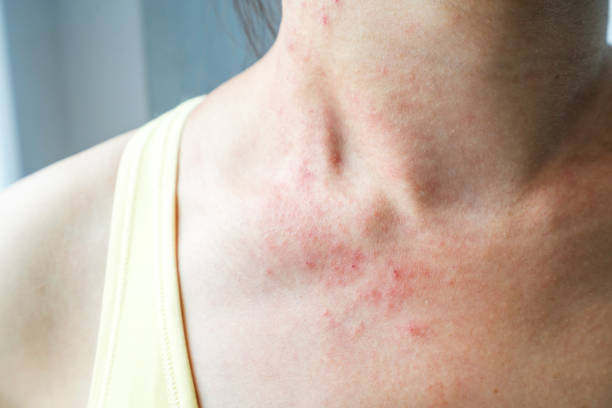
If you suffer skin sensitivity from sun exposure, the sun is not your problem: your liver, colon, lymphatic system and kidneys are your problem. They are not doing a good job, for whatever reason, detoxifying your body. It could be due to chronic constipation, gallstones in the gallbladder, lack of bile flow, unbound iron in the blood, metabolic wastes and dead cellular debris building up in the lymphatic system. It could also be chronic nutritional deficiency. It could be heavy metals such as aluminum, cadmium, mercury or lead. It could even be the very minerals and vitamins meant to nourish your body, acting as toxins. However, the cascade almost always starts with gallstones originating from the liver clogging up the gallbladder and obstructing bile-flow.

If you are not moving your bowels everyday, undigested food will rot, and toxins will build up. These undigested food releases putrefying toxins in the bloodstream, then the tissues and organs. If the body is unable to digest food protein, for example, it will store it as collagen fiber in the blood vessel walls. If it is unable to store as such, then this protein is converted into nitric-, sulfuric- and phosphoric- acids — similar to battery acid. Your body then becomes more acidic, creating an ideal environment for pathogens. If you have chronic constipation, you must increase your vitamin B1 level, until problem is resolved.

Many people with this condition will discover that they may have low vitamin D levels. If you do have a low vitamin D problem, what that really means is that you have a low magnesium and high calcium problem. Please read that again. The vitamin D in your body is actually keeping low on purpose to save you from calcium toxicity, and magnesium deficiency. Your body is inflamed internally. What you really need to do is increase your magnesium level. In fact, the root of depression is an imbalance between the calcium/magnesium ratio.

Okay, your skin is reacting to the sun, even though the sun is supposed to be a natural healer. The reason for your rashes is because your liver is no longer able to detoxify toxins efficiently, causing your blood and lymphatic system to become “polluted.” These pollutants/toxins then lodge in the basal wall membrane of your capillaries, depriving your skin of oxygen and nutrients.

Your skin essentially can’t “breathe” because of these toxins clogging it. Ideally, the sebaceous glands in your skin produces a fluid called sebum. This fluid nourishes the hair follicle and adds luster to the hair. It also serves as a natural anti-pathogenic agent for the skin. The lack of it will hasten dry, sensitive skin.

Here’s also what I would do in order of importance to help heal a sun sensitive skin — these may work for other skin conditions such as acne, psoriasis, etc:

  • Wild Siberian chaga
  •  Guduchi
    Add 1/4 teaspoon each of these in hot water… Or boil them for an hour or so. Sip hot in a thermos throughout the day. I personally do this three times per week. Discard the sediment that settles on the bottom. Wild Siberian chaga is better than any other type. Both guduchi and chaga heals the liver.
  • Manjistha: this herb WILL unclog any congestion in your entire lymphatic system. Red root is also another good herb for this. I use them often, when needed.
  • Magnesium glycinate/malate 400mg daily. These absorbable forms of magnesium will increase your vitamin D3 level EVEN if you stop supplementing on D3.
  • Grass-fed/grass-finished (organic) liver. This contains natural vitamin A, B12, choline, iron, folate, zinc, copper. Consume 4 to 6 ounces about once per week — even if you are vegan/vegetarian. You can also buy desiccated grass-finished liver online.
  • Atlantic oysters. These contain ideal levels of copper, zinc and selenium. Try this also once per week.
  • Organic bee pollen. This contains natural B vitamins and copper. Taste test on your tongue first to make sure you’re not allergic. Natural vitamin B is needed for so many things.
  • Natural vitamin C found either in amla or acerola. I consume these supplements almost everyday. They heal damaged, oxidized tissues.
  • Try to donate about 1 liter of blood once every six months to a year. You are iron toxic. Iron toxic means you have a lot of unbound iron, acting as a heavy metal or free radical, destroying your tissues. Unbound iron is not attached to hemoglobin, or anything, like it should be. Glaucoma is an iron toxicity problem. Unbound iron has an affinity for lodging itself in the liver, and destroying it, and causing skin problems.

In summary, to alleviate skin rash caused by sun exposure to the skin:

– Be sure to be moving your bowels daily ( Vitamin B1 helps)

– Try chaga/guduchi tea for its whole-body healing effect

– Try manjistha for your lymphatic system

– Try magnesium to reduce inflammation

– Eat grass-fed/finished liver once per week for its rich mineral content

– Eat oysters once per week

– Try organic bee pollen for its copper and B vitamin content

– Try natural vitamin C (amla/acerola) for wound healing and nourishment

– Donate blood once or twice per year.


Update:

I’ve recently discovered another herb that appears to possess protection against the effects of Sun-induced damage, specifically against Ultraviolet-induced damage to the skin, when taken orally. Skin damage was reduced from both UVA and UVB radiation. That herb is called polypodium leucotomos.

It is also said to be effective against some cases of psoriasis, while also boosting the immune system. 


Healing Lyme Disease


Lyme disease is a condition with various flu-like symptoms, along with various other aches and pain, that comes about ultimately from a weakened immune system. It is often attributed to a bacterium from tick bite.

Lyme disease is more of a symptom to a disease rather than the disease itself. The actual disease is a weakened immune system and methylation defect. Supposedly, you could be bitten by a tick, and then have the bacteria lay dormant for years, even decades, without you even knowing you were ever bitten or infected. A detox cleanse or a weakening of the immune system can then suddenly bring the infection to life.

Beside through skin, nose or mouth, the pathway to pathogenic infections for many people also comes through another source: the ears! Our ears have minimum defense against many and any pathogens. Many people think that to destroy these pathogens they must alkalize their body. Actually, many pathogens thrive in alkalinity and push away acidity. Thus, to “acidify” your ears, consider using 3% food grade hydrogen peroxide ten minutes before taking a shower. You can use a dropper to administer the peroxide. 3% only. You can do this once every six months.
Second way to acidify the body from pathogens is to acidify the stomach, by using a tablespoon of apple cider vinegar in a cup of water before meals. Do this for about 3 weeks. (Continuous use of apple cider vinegar is not recommended. Such can damage the fragile tissues of the esophagus and the duodenum. It can also damage teeth enamel.)

Next, you need to remineralize your body. Simply put, methylation is a process that keeps us alive and well, and that happens intricately in our cells, chemically adapting the structure of our DNA with the use of nutrients, enzymes and co-enzymes. Among the main players in the process are the genes S-Adenosyl methionine (SAM-e), S-Adenosyl-l-homocysteine (SAH), and Adenosylhomocysteinase (AHCY). During the methylation process, SAMe sends SAH to the AHCY enzyme. If AHCY is defected (these defects are labeled heterozygous or homozygous), it will not let SAH through, thus causing a toxic buildup of SAH. Toxic levels of SAH can actually shut down the entire methylation process! AHCY also becomes defected when it is lacking its co-factors: magnesium and manganese. The Lyme bacteria — Borrelia burgdorferi and rarely, Borrelia mayonii — feed on and deplete these minerals from your body. Also another enzyme, SOD2 (superoxide dismutase 2, a.k.a. manganese-dependent superoxide dismutase) which is responsible for protecting the mitochondria, needs manganese to work efficiently. One study found that this bacterium substitutes manganese for iron in its diet, and that this pathogen is the first known organism to live without iron. You however only need about 2 mg of manganese per day to be up to par. (Too much manganese, on the other hand, can be dangerous.)

Other cofactors are depleted from someone with Lyme disease. These include zinc, copper, taurine, vitamin D3 and vitamin C. Instead of purchasing these separately, you can obtain a natural supplement that contains all of these minerals, vitamins, amino acids, etc. One such supplement is called Naturelo One Daily multivitamin. When choosing a vitamin supplement, it is important to insure that it is from natural sources, and not synthetic. It should contain beta carotene rather than retinol, P5P rather than B6, folate rather than folic acid, organic kelp rather than iodine, and cherries or berries rather than ascorbic acid for vitamin C. Naturelo contains all these natural sources.

If your vitamin D3 level is inadequate, consider natural vitamin D3 found in sunlight or natural food sources. The sun is a natural healer, capable of rearranging minerals in the body, taking them to places they need to be and away from other places they are less needed. This thus balances hormones. Consider at least 20 minutes of sunlight 3 or 4 times per week, exposing the fattier parts of your body. The best time to effectively absorb the UV-B rays from sunlight are between the hours of 10:30 am to 2:30 pm. If sunlight is not practical, consider food sources found in various mushrooms and lichens.

To further boost your immune system, consider taking pau d’arco tea for about one to two month, along with wild oregano oil, olive leaf extract and andrographis. These act as powerful natural antibiotics, capable of destroying a plethora and wide range of pathogens. I’ve heard some people say this method alone resolved their Lyme disease issues. Be warned of a flu-like symptom known as the Herxheimer-reaction. This comes about due to the sudden mass die-off of these pathogens, and the destruction of the tissue-cells they infected.

Collagen is also depleted with Lyme disease. Natural vitamin C will rebuild this. Among the best source is amla (berry). A second source is acerola (berry).

If you are having heart palpitations or high blood pressure, then the problem originated from a defected liver, not the heart! Consider going to Chinatown and purchasing one of their most famous herb products: Dan Shen. Use it for two months and see what happens to the palpitations! Also consider pure pomegranate juice and Ubiquinol in conjunction.

In summary to effectively heal Lyme disease, try:

– 3% hydrogen peroxide in the ears once every six months.

– A natural multivitamin such as Naturelo One Daily, which contains magnesium and manganese

– Natural sunshine for its vitamin D and other healing powers

– Natural antibiotics such as Pau D’arco tea, oil of oregano, olive leaf extract and andrograp‌his

– Natural vitamin C found in amla or acerola.

Epilepsy: Correcting the Tonic-Clonic Seizures


Epilepsy is a neurological disorder characterized by “abnormal” electrical discharges in the brain. It is triggered from the brain not getting enough oxygen and disparately agitating the nerves to supply more. Symptoms of the classic epilepsy include sudden, unpredictable or “unprovoked” seizures and other health issues, that occur on a chronic basis. Thus the difference between epilepsy and the many dozens of other seizures is that epilepsy happens repeatedly. To heal epilepsy, high dose vitamin D3 is often recommended to actually seeing visible signs of improvement! The Ketogenic diet has also been used to curb symptoms of epilepsy in children. Here, I will dig deeper, by dealing with what I believe is the core instigator of epilepsy: too much unbound iron in the blood and tissues, too little oxygen in the cells that carry oxygen, too little magnesium and the co-enzyme B vitamins, too little natural sunlight and the benefits of natural sunlight, including vitamin D, a lack of bio-available copper, and especially a lack of sleep.

There are two distinct categories of epilepsy: Generalized onset and Focal onset. Generalized onset occurs apparently all over the brain at once, while focal onset occurs at a specific region, on one side of the brain. The most familiar form of seizure occurs under generalized onset, under the subcategory: tonic-clonic seizure. This is the most extreme form of epilepsy and involves loss of consciousness and  violent muscle contractions.

There is perhaps another category of seizure categorized as Unknown onset, that may initiate outside of the scope of the brain.

Allopathic medicine often treat epilepsy with medication, surgery or neuromodulation (nerve stimulation). In the case of medication, one, two or three anti-epileptic drugs would be initiated if the patient’s condition is receptive to such. In the case of surgery, resective surgery or laser ablation surgery would be implemented to remove a small amount of affected brain tissue or heat brain tissue, respectively. In the case of nerve stimulation, neuromodulation equipment is used to stimulate the vagus nerve in the neck, officially known as vagal/vagus nerve stimulation (VNS), or equipment is used to stimulate the brain directly where seizure occurs, officially known as responsive neurostimulation (RNS). At BIOinvigoRATE however, we always seek to exhaust all natural forms of healing before implementing allopathic methods for chronic diseases!


That free, unbound iron that is not attached to hemoglobin or anything may in fact oxidize and rust vital organs of the body, including the brain. To heal epilepsy, this rogue iron which has built up in all the wrong places and has reached the brain, needs to be eliminated from the body. One such way of doing this would be to donate blood once every six months to one year. Also using IP-6 on an empty stomach, away from food and other nutrients will help chelate and eliminate this form of destructive iron out of the body. By doing this, the brain should automatically have an increase in oxygen. (Be careful with IP-6, as it also chelates other minerals such as zinc and calcium out of the body.)

Another way to decrease iron and inflammation throughout the body is by increasing absorbable magnesium. Seek out leafy greens and other foods high in this mineral. Also supplementing would be beneficial. Magnesium glycinate or malate have a high absorption rate. Also increasing your intake of vitamin B6 in the form of P5P will automatically increase your magnesium absorption. Magnesium is very effective at decreasing whole-body inflammation. P5P will aid magnesium along that effort, along with other sources of natural B vitamins — such as found in bee pollen. It is worth emphasizing that the B vitamins are very effective toward increasing magnesium absorption and additionally, stabilizing neurological disorders!

The sun too is a wonderful healer of epilepsy, providing balance and homeostasis of all the minerals in your body, while increasing the vitamin D level naturally as well, to ideal levels. There are foods also that will aid in increasing your vitamin D level. These include irradiated mushrooms and lichens. Vitamin D turns into a hormone in the body, and is a powerful aid in regulating the immune system — thus regulating your general health to optimum performance.

Other methods that may aid in the healing of epilepsy include earthing and “tree hugging.” Earthing — exposing your bare feet to moist/wet grass (or soil/sand) is said to be very beneficial in balancing your body’s natural electrical charge. The underneath of our feet is very porous — and is susceptible to the benefits of nature and its healing powers, including the earth’s electrons. Tree hugging also rearranges your inner life forces and balance from one organism to the next — that being plant revitalizing life and homeostasis to human.

On speaking of electrical charge, the human body is operated by electricity. The mineral most responsible for this is copper. With the element carbon, and the micro-mineral copper, there is electricity. Knowing how to increase bio-available copper will also increase the electrical power of your body. Oysters and grass-fed/grass-finished liver would be excellent and appropriate sources of copper. Bio-available copper can also be obtained by supplementation. A bioavailable, chelated or ionic copper supplement may be an excellent source, temporarily.

Perhaps the greatest trigger of epilepsy is a lack of proper sleep. A lack of sleep increases stress and malfunctions the vagus nerve — that large nerve responsible for “rest and digest”. There has been one particular herb that has shown promise in utilizing the vagus nerves, thus bettering sleep, thus reducing stress; thus reducing outbreaks of epilepsy. That herb is called blue vervain. (Pregnant women, breastfeeding mothers, the “anemic” and those on blood thinners should avoid this herb however.)

In summary, epilepsy is not a permanent disease in which there is no hope. You may find relief with the right protocol. Decreasing unbound iron, increasing magnesium with P5P and other (natural-sourced) B vitamins, increasing sunlight and other natural sources of vitamin D, being out in nature, earthing and tree hugging; increasing bio-available copper, and improving sleep quality with the herb blue vervain are the most natural and effective ways I’ve discovered thus far in the quest to fight against epilepsy!

High Blood Pressure, Clogged Arteries, Heart Disease: All One Disease


If you’ve had a non-congenital heart attack, that means one thing: you have gallstones in the gallbladder and intrahepatic stones in the liver, both hard and soft! The liver is the body’s physician; if this is clogged, then it causes a cascade of all other sorts of illnesses. Heart disease is a legendary manifestation of liver problems.

When the liver is clogged, it slows down on doing what it needs to do, like keeping the blood clean. When the blood becomes polluted because of a faulty liver not rejuvenating it, then the lymphatic system also becomes clogged. The lymphatic system is part of a defense mechanism of the body known as the immune system. The immune system keeps things that want to hurt the body at bay. The blood is like a faucet while the lymphatic system is like a drainage — when the drainage gets clogged, bad things happen. When the immune system becomes defenseless, toxins from food and the environment, oxidation creating free radicals, pH imbalance from a stressful internal environment, and bacteria and other pathogens who love stressful environments begin to invade the body internally. The liver should actually be considered a part of our immune system, therefore.

When the liver loses its functionality, the blood takes a hit, then the lymphatic system takes a hit, then the kidneys take a hit. Then the tissues and other organs take a hit. Then cholesterol and inflammation start forming. The undigested protein, along with rogue calcium start clogging vital organs and the arteries that supply them. Then arteries start stiffening. Then blood pressure starts rising. Then the heart becomes larger, trying desperately to keep up with a demanding situation. Then what we know as heart disease starts manifesting. The ultimate penalty to this cascading, stressful event is heart disease, then inevitably, a heart attack.

But it all started with what went into our mouths — the foods we ate — the foods that our liver didn’t like and found hard to process. Simultaneously, the stress of it all caused a naturally confident liver to become shy and timid, and lose its ability to express itself. The liver —  the largest organ internally — becomes weak and angry.

Most high blood pressure — 98 percent of it — are categorized as idiopathic, meaning medical science has no idea what’s causing it. Medical science is baffled by high blood pressure because they are only focused on the blood. Medical science is not looking at the entire picture — the cascading events leading up to hypertension.

Heart problems, such as palpitations, are liver, bile and gallbladder problems rather than directly heart problems! If you have heart problems, you have a broken washing-machine, and the dirty clothes are piling up! The broken washing machine is your liver filled with stones — intrahepatic stones. The pipeline to the washing machine is your gallbladder. It is clogged with stones and sludge too. The detergent that should be running in the washing machine is bile, but since it has become thick or clumpy, with cholesterol-backup and other toxins, it doesn’t flow anymore. The dirty clothes is your heart, which is being affected. In order to clean your clothes (the heart), you must first fix the broken washing machine (the liver) and the pipeline (the gallbladder).

What physicians are apparently not taught in Medical School is that it requires 11 oxygen molecules to make one cholesterol molecule. Now what is that mineral that carries oxygen? Iron. So when cholesterol is being oxidized, what that really means is that it’s being rusted by – a buildup of, you guessed it — IRON!

So, how to fix the washing machine breakdown?
Bitters! The liver loves bitters. If you fix the liver, you automatically fix the gallbladder. If you fix the gallbladder, you automatically fix the bile problem. Bile will start flowing again. We make a lot of bile each day, or at least, we should — up to 4 cup or more, per day!
So there is hope. There are ayurvedic herbs and other things that will fix liver problems and gallbladder problems and dissolve intrahepatic stones in the liver and gallstones in the gallbladder. Among the best are:
1. Kutki: very good at healing most liver problems.

2. Guduchi: very good for the liver, spleen, pancreas and blood — full of macro and micro nutrients. Good to add it with ginger. 

3. TUDCA: which is a water soluble bile acid, will dilute thick bile in the liver and gallbladder, making it flow more efficiently.
Specifically pertaining to the heart and for relief of chest pain, you must watch what you eat — being sure to favor leafy greens and stems and root vegetables. Leafy greens are healing because they were once out in the sun, absorbing its nutrients and life. In addition to changing your diet, drinking adequate spring water or pure coconut water to hydrate your cells and avoiding stress are practical things to improve liver function. There are also specific herbs and supplements that will speed up the recovery of high blood pressure, clogged arteries, chest pain, atrial fibrillation and general heart disease. Among the best are:

1. Arjuna: Above all — this ayurvedic herb has become my number one go-to for heart conditions. I’ve suffered chronic chest pain for over 20 years, and arjuna is most effective and long lasting at resolving that issue for me.
Arjuna works by improving the left ventricle function of the heart. The left ventricle is that chamber of the heart responsible for “pumping” oxygenated blood back into the rest of the body.

2. Hawthorn flower/leaf/berry:

(The flower is the most effective part that heals the heart.) This herb also subsides chest pain, enhancing heart muscle contractility and improving blood flow to the heart. Not all hawthorn sold on the market are effective — you must be sure to obtain quality brands. Hawthorn Supreme from Gaia Herbs is a good brand.

3. Ubiquinol: This is the absorbable form of Co Q10. Your body converts Co Q10 (otherwise known as ubiquinone) into ubiquinol. Uniqunol energizes the cells of the heart’s many mitochondrias. Take100 mg per day.

4. Dan Shen: This herb — also known as Salvia miltiorrhiza  — is found in traditional Chinese medicine — it actually dissolves blood clots, and reduces arterial plaque. (Do not take this herb if you are on any anticoagulation medication, as it may exacerbate the anticoagulation effects and lead to excess bleeding!)

5. Grapefruit inner of peel/Mesocarp/Albedo (must be organic) or grapefruit pectin. Good for lowering oxidized cholesterol, and keeping the arteries clean, grapefruit  pectin can also be purchased in supplement form, but tends to be adulterated because of the expense in making pure pectin. Pectasol-C seems to be a good choice though. (Avoid mixing anything grapefruit with prescription drugs, since it inappropriately magnifies the effects of these drugs!)

6. Pure pomegranate juice is said to lower high blood pressure in about two weeks. Organic pomegranate peel may be even more effective for heart conditions. Powerful polyphenol compounds called ellagitannins, punicalagins and anthocyanins may reduce inflammation throughout the body. These and other polyphenolic compounds may reduce blood pressure, plaque buildup and chest pain.

7.  Vitamin K2 (MK-7) in the trans form. Vitamin K2 is very different in function from Vitamin K1. Vitamin K1 is involved in blood clotting, while K2 is involved in removing calcium from all the wrong places of the tissues and arteries, and putting it in all the right places, such as bones and teeth. Calcium acts as a cement in the body, hardening at whatever site it lay. Too much of it in the arteries will harden, stiffen and clog them, setting the stage for heart disease. But K2 keeps it away from all these soft, sensitivity places; and puts it where it belongs.

There are many versions of K2. It is important that you get it in the more absorbable and longer lasting form of MK-7, which is found in natto — a Japanese fermented soybean product.

8. Food-base vitamin E: Vitamin E keeps the blood vessels nourished, thus helping to prevent both oxidation or new clot formation. Vitamin E also supports the muscular system of the body, including the heart — which is some 95% muscle. But be sure to supplement on only food based vitamin E, found notably in such foods as asparagus and — in moderation — organic sunflower seeds. Supplement-wise, Selenium E by Food Research contains adequate amounts of vitamin E made from real food.

9.  Magnesium Taurate: The left atrium of the heart is concentrated with magnesium more so than any other part of the human body. That is the part of the heart that prepares oxygenated blood to be “pumped” back into the rest of the body!

Magnesium works slowly in rebuilding a damaged heart. Don’t expect to see a relief of chest pain after taking magnesium for 2 days. We lose magnesium slowly, daily and yearly. Though it is critically important to every cellular process in the body, and life is useless without it, and the body needs lots of it, it may take years of continuous supplementing to help heal a defected heart.

A small amount of vitamin B6 in the form of P5P and/or coconut oil greatly enhances the absorption of magnesium into the cells! Super Magnesium Taurate from Green Organic is an excellent choice.

10.  Boluoke: This patented product is a naturally sourced lumbrokinase enzyme(s) made from real earthworms — good at dissolving clots and fibrins, thereby increasing blood circulation and oxygen to tissues. It may also reduce chest pain quickly. I put this last on the list of 10 because, it is expensive. To work, this product must be taken on an empty stomach,  away from food.


And there is that hardly ever noticed, but inextricable relationship between heart disease and lung disorder. This is because just as blood flows through the circulatory system of the heart, it also must flow through the pulmonary system, which is the lungs. That is why slow, deep breathing can lower blood pressure in minutes!

One technique to strengthen the heart is to sleep at night with your face covered in blanket, or sheet. Doing this will make you inhale more of your own carbon dioxide, slowing down your breathing. While oxygen is good for you during the day — speeding up your breathing, carbon dioxide, though acid forming, is good for relaxing you at night! It slows your breathing, improves lung function and heals your liver.

There are also herbs to better optimize lung function, such as mullein, African geranium, rosemary, astragalus and guduchi.


The longer you wait to resolve health issues of the heart naturally, the longer it will take to fix even after you decide to do all these right things. So if you have a heart condition, treat it as an emergency, and deal with it with deliberate priority. And the sooner you will begin the healing process before it becomes too late.  These supplements and procedures I’ve listed will help set you on the right road.


Other things that may help with heart and circulatory conditions are:


Vitamin D Toxicity


You will not overdose on vitamin D from the sun — it just will not happen. The sun regulates not only the cholecalciferol (vitamin D) formed from cholesterol in your skin; but it also regulates everything else: your vitamin A, B, C, E, K, Magnesium, Calcium, Potassium and other minerals and trace minerals. The sun is not just doing one thing — it’s doing and providing many things.

It is dangerous to be taking high doses of vitamin D3 supplements isolated without a complete supplement profile. Even taking  D3/K2 -mk7 is still not good enough. Too much vitamin D3 will automatically lower your vitamin A level. Look up symptoms for a vitamin A deficiency. Furthermore, when vitamin A becomes deficient because of the over-using of vitamin D3, then the stored mineral copper becomes depleted/dysregulated in the liver. Copper is the spark plug of the body. Even some auto-engine spark plugs are made with copper. Even vitamin C is made up partially with an enzymatic copper-carrier, called tyrosinase. Vitamin C, which is most abundant in the adrenal glands, will not work without copper. Thus you have thyroid and hormonal dysfunctionality thinking that it’s an iodine deficiency, when really it’s a copper deficiency, traced back to taking too much supplementation D3. Many women are taking HRT or bio-identical hormones, when all they really need is 2 mg of copper daily.

Taking cod liver oil — which contains both vitamin A and D — will prevent this cascade somewhat because of the retinol (vitamin A) content of cod-liver oil. However, cod liver oil has its own problems, and retinol in supplement form is a poison toxin, that should only be taken for a short period of time, if at all.

Vitamin D is indeed good and necessary for many biological functions — such as helping to regulate the immune system and keeping white blood cells healthy and active. Low vitamin D levels are associated with inflammation and bone pain. I personally supplement with lichens or mushrooms to achieve a healthy vitamin D status. And of course, I try to get as much sunlight as possible and as needed. These are all natural ways to increase vitamin D levels in the body gently, and without trauma.

Some health professionals are saying that the only toxic effect of too much supplement vitamin D is that of raising calcium levels in the blood, leading to a condition known as hypercalcemia! (This also increases the risk of developing kidney stones.) Wait! But there are other issues. The process of turning cholecalciferol into hormone D — a.k.a. vitamin D — is a complicated process, that requires a lot of energy. That energy is spelled: m.a.g.n.e.s.i.u.m. That means a lot of magnesium is being sacrificed to accommodate the complex process of making active vitamin D that is useful to the body. That burning up of magnesium causes calcium to proliferate, since magnesium is needed to regulate calcium.

That complicated process involves turning cholecalciferol (“vitamin D”) into calcidiol by the liver, which is then turned into an active hormone D form, calcitriol, primarily by the kidneys, which then binds to what is called the vitamin D receptor (VDR), which binds to what is known as the retinoid X receptor (RXR), which then binds to vitamin A (retinol). Vitamin D is not really active and is essentially useless without vitamin A.

As previously mentioned, too much vitamin D supplementing reduces retinol (vitamin A) in the liver. Retinol is needed to activate ceruloplasmin — the protein that transports bio-available copper. If retinol is reduced, then bio-available copper is reduced. If copper is reduced, then unbound iron builds up in the blood, since copper controls/regulates iron. If unbound iron builds up, then there is inflammation and rusting of the organs, especially the liver, spleen, stomach, heart and even brain. Don’t believe me?

I ask that anyone who has been taking high doses of vitamin D3 10,000 IU (even with K2-mk7) or more, get a ferritin test. If the test shows over 100, you have a problem. If it shows over 300, you have a serious problem: way too much unbound iron wreaking havoc and causing inflammation, and even autoimmune diseases: the birth of autoimmune diseases!