Defeat Diabetes

­

Diabetes — type 2 diabetes i.e. — cannot simply be defined as high blood sugar or having too much sugar in the blood. High blood sugar is only a symptom of diabetes. What diabetes really is is a metabolic dysfunction affecting the entire biological system of the body, including the endocrine system, the circulatory system and the lymphatic system. These systems malfunctioned because of a disruption of the flow of energy into cells and the metabolic waste out of cells. We often think of insulin as the hormone that guides glucose into cells. But insulin has a greater, multipurpose task — to guide potassium, magnesium and other minerals out of and back into cells. If there is not adequate potassium or magnesium in these cells, then these cells cannot utilize glucose — the birth of insulin resistance.

So, we see that insulin resistance happens for a reason — because the cells do not have the minerals to metabolize the carbohydrates and protein we digest. You might think the simple solution may be to add potassium and magnesium to our diet, so that insulin can then allow glucose into the cells. But that would be the case only if enough damage has not already been done.

In the days, weeks, months or years that cells were not allowing insulin to usher glucose into them — insulin resistance — these cells were suffering malnutrition and dying. The blood vessels on the farther regions of our body, like the toes and feet, where blood circulation was jeopardized, took the brunt of the hit. Hence we often hear of diabetics becoming amputees. During those years when these cells were suffering from malnutrition, the blood took a hit, with high levels of insulin and glucose roaming, with no place to go, and causing destruction where ever they lay. The blood then became thick. Then the liver took a hit — because the liver needs aging, thin blood to turn into bilirubin and to make bile for that liver. Then the liver took a greater hit, by becoming congested with thick glue-like bilirubin from thick blood, that was not properly becoming the constituent of bile.

Furthermore, the cholesterol ingested from food and made by the liver piled up with no where to go due to the lack of proper bile formation and flow. Then the bile in the liver and gallbladder became sludge. Then the sludge became intrahepatic stones, and extrahepatic stones in the gallbladder. Then the gallbladder became clogged, unable to release bile for digesting fats and other nutrients from foods. Then the cholesterol that constituted a part of bile raised circulating cholesterol numbers because of being stuck in bile. Then our triglycerides — the stored sugars in fat cells — started rising in the liver and in the blood. So now, not only do we have high blood sugar and high insulin, but we also have high blood cholesterol, high bilirubin, high triglycerides, and yes, eventually even high blood pressure!

Then that clogged blood and clogged liver now clogs the pancreas. Now the pancreas which delivers enzymes and hormones across its narrow pancreatic duct or directly into the bloodstream, begins to misfire, producing either too much insulin and then as time goes by, too little insulin. Now not only do we have a fatty liver, from high triglycerides forming — we now have a fatty pancreas, an exhausted fatty pancreas working on overdrive.

Now the lymphatic system which usually drains large metabolic waste, and large protein debris, turns into a highway with a major traffic jam at all of the hundreds of major lymph nodes. This is manifested visibly with an enlarged stomach, and a stiff neck desperately needing a massage.

Then the kidneys — which do the hardest work – filtering junk from the blood, take a hit. They can no longer filter these large particles and other toxins that should have been processed already by the liver, the pancreas and the lymphatic system. The kidneys then become like a clogged fishing net that is unable to drain out the seaweeds of filth caught in the mesh lines of its net. Now we have high uric acid building up in the kidney walls and the ureter, leading to sciatic pain for some people. Now we have kidney stones slowly forming, constituting mainly of calcium, for some other people.

So now we see that diabetes is not just a high blood sugar problem — it is an internal pandemic of great bodily proportion. Reducing sugar intake at this point will not fix the problem — it only delays it. Fixing the problem involves nourishing the cells with the nutrients they need, like potassium, magnesium, copper, zinc and sodium, while simultaneously repairing the damages that cascaded from a lack of such nutrients, and the great damages that high insulin and glucose in the blood created.

Fixing this internal diabetic pandemic involves reshaping a fatty liver into a healthy liver, a fatty pancreas into a vibrant pancreas and opening the pancreatic ducts and bile ducts that have been clogged with sludge or gallstones; and removing uric acid or kidney stones from the walls of the kidneys. All of this involves eating healthy foods, staying properly hydrated, staying away from unhealthy foods and unhealthy drinks, using herbs and other supplements that nourish the body instead of harming it.

These herbs that help the system work properly again include bitters, like artichoke, kutki, guduchi, andrographis, ginger, bitter melon and others like them. Manjistha is needed to help clear the traffic jam in the lymphatic system. Things that help the system also include lumbrokinase enzymes to help rebuild and clear up the pancreas. (Boluoke is a patented lumbrokinase enzymes product made from real earthworms.) Dandelion is also needed for proper kidney function, and olive leaf extract for the blood.

In dealing with slowing the rate of glucose absorbing or building in the blood, there are excellent herbs to deescalate the process of hyperglycemia, namely fenugreek (my favorite); quality, organic jiaogulan tea (gynostemma pentaphyllum) and banaba leaf (not banana).

There are vitamins that will help metabolize glucose more efficiently, especially vitamin B1 (thiamine), which is greatly depleted when there is too much sugar in the blood. So we need to replace this vitamin. Brands like allithiamine or thiamax in small doses, for a short period of time, would be ideal.

There are minerals that will help metabolize glucose more efficiently, especially chromium, potassium and magnesium. A natural food-base source of chromium is: Nutrigold Chromium Gold. Potassium rich food include yam and coconut water. Magnesium is found in leafy greens and supplements like magnesium malate or taurate.

But what are the main culprits that causes us to develop diabetes in the first place? Perhaps that answer lies in the world of consuming excess animal products, like muscle meat, fish, chicken, eggs and milk. These foods when used in excess, and especially when fried, often, cause insulin to raise higher than even consuming sugary foods. Furthermore, often eating these foods fried or grilled create damaging advanced glycation end-products (AGEs) to develop in the blood and clog blood vessels and capillaries from receiving the nutrients they truly need.

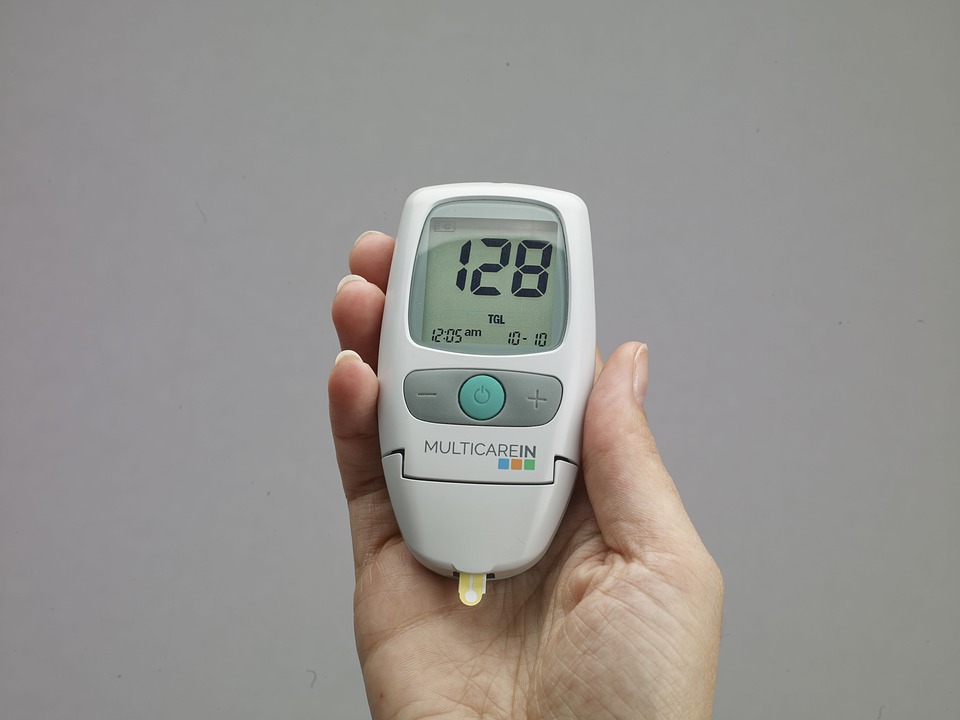
But how do we know we have diabetes in the first place? Good question! Frequent thirst and irritating nightly urination are classical indicators. Diabetes is a silent killer, and most people who have it, or are developing it, do not know either, until some dramatic event calls them into action. Most doctors test glucose levels which indicate the amount of glucose in the blood at that specific moment. But the glucose test can be deceptive. It may show normal even when something is terribly wrong. A more accurate test is the HbA1c test. This test tests for glucose attached to haemoglobin in blood from the prior two or three months. An ideal number should be between 4% to 5.6%. And 5.7% to 6.4%  indicates pre-diabetes. And 6.5% or greater is full blown diabetes. Another test is called the HOMA-IR (i.e. Homeostatic Model Assessment of Insulin Resistance). This tests for the amount of fasting insulin in the blood, that your body needs to keep your blood sugar levels in check. An ideal number should be less than 1.0. The normal HOMA-IR value for a healthy adult ranges from 0.5 to 1.4. And 2.0 to 2.9 indicates some insulin resistance. And 3.0 or greater is full blown insulin resistance! High fasting insulin is indicative of inflammation. Inflammation raises LDL cholesterol.

So where should we start in preventing or reversing diabetes?

  • To manage excess glucose and excess insulin in the blood immediately, use chromium, vitamin B1 and fenugreek, as mentioned above.
  • Other powerful herbs to manage high glucose include jiaogulan, guduchi and bitter melon.
  • To fix the liver, try a bitter herb, like artichoke extract or kutki.
  • To keep the lymphatic system flowing, try manjistha.
  • To fix the pancreas, try lumbrokinase enzymes, specifically Boluoke, which is a natural product and not synthetic.
  • To heal the kidneys, try dandelion root.
  • To revitalize the blood, try olive leaf extract. 
  • And of course, eat properly, avoiding the wrong type of milk, excess animal muscle meat, and avoid excess fried foods, while simultaneously increasing magnesium and potassium rich vegetables like bok choy, yu choy, asparagus, yam, black beans, kohlrabi, parsnip, (crimini) mushrooms and black garlic.

Addendum:

  • Intermittent fasting done correctly will also help
  • So does exercise
  • So does reducing stress, thereby improving sleep quality
  • Aim for less than 50 mg of total sugar per day
  • Keep in mind that the most effective herbs for high blood sugar and high insulin are: jiaogulan, bitter melon, guduchi, and fenugreek.

Heal Acne Permanently!


Acne (acne vulgaris) is manifested as a skin condition, affecting the bust of the human profile, i.e., the face, neck, chest, back and shoulders, and sometimes even extending to the buttocks — often causing extreme self consciousness and indignation to its victim. Acne is materialized when the oily secretion of sebum, that lubricates the hair follicles and skin pores become congested with dead skin and condensed sticky oil debris. Bacteria then proliferate to agitate the condition and cause further inflammation. Many of the alcohol-laden and dehydrating creams and techniques used today do more harm in exacerbating than in fixing an acne problem.

This skin disorder is often a condition caused by some sort of repressed hatred for something, or someone. Hate in traditional Chinese medicine is stored and built up in one particular organ: the liver. Furthermore, if you have strong emotions stored in the liver, then you also have clogging of that liver, with either sludge, gallstones or intrahepatic stones. If these things occur, then bile — a substance that the liver produces to digest fat — is reduced. Our liver should ideally produce one quart or over of bile per day — that’s a lot! If your liver is compromised, then you may not be even producing fifteen percent of that. If you have acne problems, most likely, you have bile problems.

Why is bile so important? Bile helps digest fat, turning it into smaller molecules so the digestive system can handle and the small  intestines can absorb it. If fat is not being digested, then retinol also is not being metabolized. Retinol is needed to nourish the skin and keep it oily. Otherwise, you have dry skin, or sticky skin, susceptible to toxins and bacteria. Furthermore, if bile is not being produced to digest fat, then the animal protein you eat is also not being digested, since protein needs fat to digest properly.

Furthermore, if bile is not being produced properly to digest fat, then calcium is not being digested and absorbed properly; then vitamin D, E and K are also not being absorbed properly. Then carbohydrates and other sugars are not being digested properly. Thus the lack of bile, caused by an angry liver, causes a cascading event leading to a toxic liver, and toxic blood, and congested lymphatic system, and toxins ultimately depositing in our skin from the inside-out. The manifestation of acne is only the visible iceberg to the real chunk of ice beneath the layers.

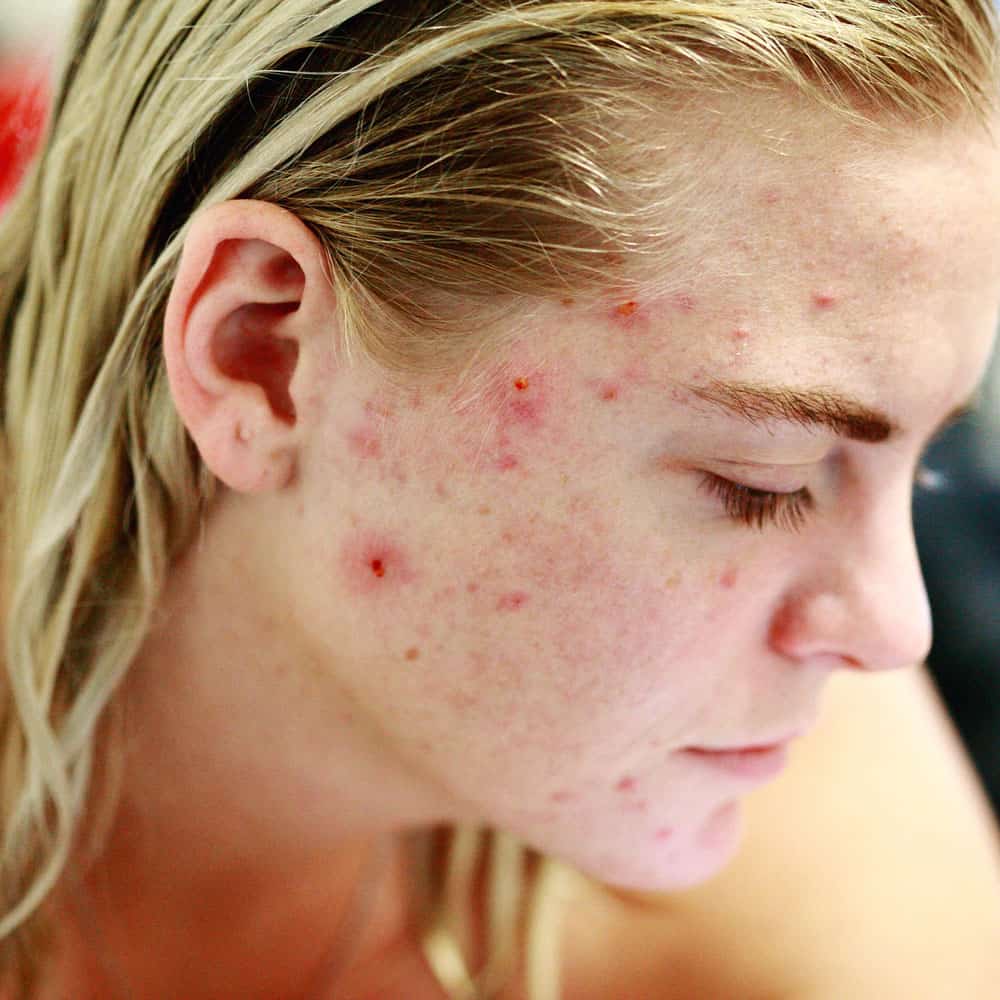
On surface, we see acne manifested as pores consisting of blackheads and whiteheads — from air and non-air exposure respectively. We also see it as nodules and pustules — bump-like growth beneath the skin and pimples with pus respectively. And then sometimes we see it as devastating cysts — a form (cystic acne) that penetrates deep from within the skin! Many suffering from this condition, in desperation, overly wash and scrub their faces hard — spreading the infection and making things worse.

So, what is the solution? There are fortunately many avenues you can take to heal acne. But your focus should be on fixing the liver, increasing bile flow, reducing anger, and cleaning toxic blood.
As a superficial quick-fix, guduchi powder mixed with amla powder into a paste will quickly heal up acne when applied for a period of time to the infected areas. As a prolonged healing process, these two herbs should be used internally, as a tea or in capsule form for a time to help heal the root of the problem.

Another topical application would be to make a paste out of a fine clay called pascalite. This clay differs from regular bentonite clay in that it doesn’t swell up when wet. It may very well remove acne when applied regularly over a period of weeks or months! You can order at pascalite.net.

As previously mentioned, since your liver is clogged, this produces toxins in the blood and clogs the lymphatic system. An herb called manjistha will reinvigorate the blood, and will help unclog the lymphatic system, so that it may drain toxins properly once again.
To speed up the process of detoxifying the blood, you can also add modified citrus pectin, which binds to toxins, and take them out of the body through the alimentary canal.

Food-wise, you want to reduce artery clogging animal muscle meat and dairy, while simultaneously start eating more grassfed/grassfinished liver (6 ounces per week). Why? This contains bioavailable retinol, copper, zinc and vitamin B12 — critical nutrients needed for someone with acne. You may also use oysters, (about 3 ounces per week) for its very bioavailable copper, zinc and selenium content. Oysters from the Atlantic ocean is ideally free from toxins.

You may also want to donate blood every six months to a year if you are suffering from amenorrhea. Bacteria thrives in a body filled with unbound iron. Unbound iron causes rust and inflammation of the organs. Donating blood will help mitigate this.

And finally as an added bonus, you may want to try organic bee pollen for its natural B vitamin content. B vitamins are essential for anyone with digestive, neurological or skin problems. Particularly vitamin B5 in a derivative form called Pantethine (in moderation) will nourish the  adrenal glands, thus reducing cortisol, thus reducing stress, thus reducing eventually, acne. (Taste test the pollen to make sure that you are not allergic.)

So in summary, acne, as well as many other skin conditions are caused by an angry liver, lack of proper bile flow, congested blood and a clogged lymphatic system. To effect healing, try

Externally: Guduchi + amla + manjistha paste to affected area: Honey or coconut oil can be used to make the paste

Externally: Pascalite clay (paste) applied for twenty (20) minutes to an hour, per day

Internally: Guduchi + amla + manjistha in tea or capsule form

– modified citrus pectin (on an empty stomach)

– Reducing muscle meat and dairy

– adding grassfed/grassfinished liver (organic)

– adding Atlantic oysters [or sesame seeds] (for copper content)

– Donating blood every six months to a year to reduce unbound iron (optional)

– adding organic bee pollen + Pantethine (for B vitamins).

My Most Cherished Herbs


Herbs are used as fragrances, spices for food and for medical purposes. It is the latter that I’m concerning about in this article. I’ve read of the many benefits herbs can be on one’s health, especially if used properly in tea-form. I’ve also been using various herbs for years, and I will say that I’ve been truly amazed at some of the results. They do work, if you know which ones to take, for what reason to take them and what time to take them.
I have a list of about fifty herbs that have more than piqued my curiosity. But for the sake of sanity, time and practicality, I have narrowed my focus on nine special herbs, that have done and can do wholesale health benefits on one’s constitution. The nine herbs I will focus in this article are:

1. Guduchi
2. Kutki
3. Manjistha
4. Red root
5. Olive leaf extract
6. Amla
7. Ashwagandha
8. Turmeric
9. Eclipta Alba

Guduchi

Of all the herbs I love, guduchi often comes to mind first when I think of a healing herb. It is like a low-dose multivitamin, filled with important minerals like magnesium, calcium, copper and selenium. It is most famous for being a prized ayurvedic herb for liver function.

Guduchi a.k.a. Tinospora cordifolia a.k.a. Amrita a.k.a. Giloy is an immune system booster. It helps increase activity of macrophage cells. It enhances the efficiency of white blood cells. It alleviates allergic rhinitis a.k.a. hay fever a.k.a. seasonal allergies. These allergies that are often a sign of a compromised immune system are sensitive most famously to pollen in the air. Guduchi reduces nasal congestion, runny nose, itchy eyes, coughing and sneezing caused by these allergens.

I personally use guduchi as a liver and kidney detoxifier, and a blood cleanser. It truly tonifies the blood, moving toxins from the extremities and placing them in a position to be detoxified by the liver and out of the alimentary canal.

Guduchi has a heating effect on the internal organs, opening up pores for better nutrient absorption, oxygen absorption and better breathing. It works wonders for asthma and respiratory infections.

Guduchi is also anti-inflammatory, reducing uric acid build-up, thus also reducing ailments like rheumatoid arthritis and gout. Other herbs like ginger and (the fruit) amla increase the effectiveness of guduchi with these conditions. Guduchi and amla powder made into a paste may alleviate many skin conditions such as acne and psoriasis.

Guduchi may also have adaptogen-like properties, able to balance hormones and reduce stress.

Guduchi has been used in folklore as a cancer cell/tumor inhibitor, capable of repairing damaged DNA and preventing damages to our DNA.

For those with high blood sugar, guduchi may be a good option. It is known to slow the rate of digestion of carbohydrates/sugar, thus lessening the body’s need for excess insulin. Be cautious when taking diabetic medications with guduchi — blood sugar may become too low.

Guduchi is best taken as an infused herb, meaning, you boil water, then pour it with the herb powder, and consume it as a tea.

Kutki

When it comes to liver health and fixing liver diseases such as fatty liver, cirrhosis of the liver and hepatitis, I cannot think of anything stronger or better than kutki. Kutki is another bitter herb that is renowned in ayurveda for reversing liver damage. If you have gallstones and liver stones, if your liver is not producing enough bile, think kutki!

Kutki a.k.a. picrorhiza kurroa is a difficult plant to grow. It is the root that is mostly used for medicinal purposes. It may take up to two years before harvesting. Beware of farmers looking for a shortcut.

Kutki protects against fatty liver of almost any cause. It’s ayurveda’s premier liver, gallbladder herb. If you are thinking about doing a liver flush, consider kutki first. It contains picroside I, picroside II and kutkin, which are compounds believed by science to be the sources of its healing power. Kutki is very effective at causing cholagogue — stimulation of bile flow from the liver into the intestines — for the digestion of fat, and the lubrication of the intestines. It may also reduce excess bilirubin and excess liver enzymes.

Kutki is both a bitter and pungent herb, which is unusual. Most herbs are either one or the other. The benefits of bitter is that it cools the body from excessive heat. The purpose of pungent is that, like hot and spicy herbs, it has a cleansing effect, without actually being hot and spicy, like hot pepper. These properties produces proper levels of stomach acid, spleen heat and detoxifies environmental toxins such as cadmium, and even food toxins in alcohol.

Secondary to helping heal the liver, kutki may reduce circulating triglycerides and oxidized LDL cholesterol — without affecting HDL levels.

Manjistha

Manjistha a.k.a. Rubia cordifolia a.k.a. Indian madder is another cherished ayurvedic herb. It specializes in reinvigorating and moving the alkaline fluid within our lymphatic system. The fluid in our lymphatic system moves in an upward direction, from our feet and legs, up toward our stomach area, where it is coiled and concentrated in a sac-like system known as the cisterna chyli. This is where lymph fluid often gets clogged. Here is where manjistha also works its magic, unwinding clogged pathways of this drainage system. Manjistha is also known for many other things consequently, being a blood purifier, and a skin rejuvenator.

Prime constituents in manjistha include purpurin, munjistin, xanthopurpurin and pseudopurpurin. Secondary metabolites include alkaloids, flavonoids, saponins, and anthraquinones. A natural antioxidant, manjistha may enhance other antioxidant markers, such as superoxide dismutase (SOD), catalase (CAT) and glutathione S. transferase (GST).

Manjistha is useful for treating calcium deficiency, relieves mentrual pain and menstrual hormonal imbalances. It is also said to destroy tumors, heal diabetic ulcers and remove gallstones.

Among the skin conditions that may see an improvement from manjistha include psoriasis, eczema, and acne. It overall may present you with a more healthy, glowing skin tone.

Manjistha seems to have an affinity for women’s health. Not only may it improve skin tone — providing a more youthful appearance — it, by removing excess heat from the body, also provides relief for liver and kidney function, and balancing hormones in the process. If you are suffering from amenorrhea, you may want to give manjistha a try. Being that it improves all moving liquid in the body — the blood, interstitial fluid, lymph, urine — no wonder how it may be good at improving our immune system and balancing hormones. It also may reverse edema.

Manjistha stem and especially root are what’s mostly used as the healing properties. Look for only organic and sustainably sourced manjistha. Manjistha root is red and has traditionally been used as a dye through various cultures — careful, as it may stain your teeth.

Red Root

Red Root a.k.a. Ceanothus (americanus) a.k.a. “Jersey tea” is a nitrogen fixing shrub. In that, it makes blood flow easier without thinning the blood. Therefore, avoid this herb if you are on blood thinners and anticoagulant. Red root is an immune system booster, capable of reducing mucus by stimulating the mucous membrane and by acting as an expectorant. It also may relieve sore throat, strep throat and the flu and cold viruses. It provides inflammation defense, microbial defense, respiratory support and lymphatic support.

Like manjistha, red root works on the lymphatic system, specifically the lymph nodes. We have over 500 lymph nodes throughout our lymphatic system. Red Root is effective against swollen, inflamed lymph nodes. It also supports and protects another important lymphatic organ: the spleen. A proper working spleen produces clean blood.

Red Root is for temporary use only. It may interfere with iron and other mineral absorption. As previously mentioned, it should not be taken with blood thinners and anticoagulant.

Olive leaf extract

Olive leaf extract is one of the safest herbs to consume on the regular basis. Prized since ancient Egypt, and perhaps before, olive leaf is indeed from the fruit tree we know so well that produces olives and olive oil. This herb is a natural antioxidant that truly boosts the immune system, helping to destroy viruses, bacteria, fungi, and parasites. Both a preventative and curative herb, olive leaf extract contains a polyphenol called oleuropein, which may manage some forms of hypertension (high blood pressure) if used regularly.  Then there are other antioxidant  metabolites produced, like hydroxytyrosol, only found in this herb.

As an antioxidant and immune system booster, olive leaf extract may inhibit the over-activation of mTOR (a cellular intermediate that helps build things like muscle and even carcinogenic agents), reduce DNA damage, increase the activity of the antioxidant glutathione peroxidase, and thus fight tumors and cells associated with cancer.

Olive leaf extract is also good for some skin conditions, especially shingles.

Olive leaf extract is NOT a full spectrum antibiotic. Don’t be disappointed if it doesn’t reduce candidiasis . Also do not take this herb with other antibiotics — they may cancel each other’s effectiveness out.

Amla

Amla a.k.a. Emblica officinalis a.k.a. Indian gooseberry is not an herb, but rather a fruit that grows on an herb tree of the same name. Amla is used for both preventative and therapeutic purposes. It contains a small amount of vitamin C. However this vitamin C is potent due to polyphenols which keeps it intact. Amla is an antioxidant which may lower inflammation, high blood pressure, high blood sugar and prevent LDL oxidation.

Amla may promote longevity through mechanisms not yet fully understood by science. What is known is that it contains tannoids which may reduce cataract and diabetic retinopathy, thus making amla somewhat neuroprotective.

In lab tests, amla decimates cancer cells, including lung cancer, breast cancer, cervical cancer, ovarian and colorectal cancer. This is partially due to the fact that it protects our DNA from heavy metal damage, and also raises intracellular levels of superoxide dismutase (SOD).

Amla is good for moving the bowels and also the lymphatic system. If you are suffering from constipation or a sluggish bowel, consider amla as a preventative and therapeutic agent for this purpose. If your lymphatic system is stagnant, higher doses of amla will eventually get it moving. Alma is included in an ayurvedic blend of berries to alleviate constipation, known as triphala.

Being a source of natural,stable vitamin C, amla is many more times potent than ascorbic acid. Ascorbic acid is falsely claimed to be vitamin C, when really it is only the outer protective coating of true vitamin C. True vitamin C contains an enzymatic form of copper known as tyrosinase, which amla does have.

Ashwagandha

Ashwagandha root is now known to be a very powerful adaptogen, meaning, it knows how to adapt the body’s stress response and homeostatic balance from external and internal influences. It reduces excess cortisol (excess cortisol may cause inflammation, raise insulin and deplete other important hormones like dopamine and testosterone).

Ashwagandha increases progesterone levels in both men and women. Progesterone burns fat — so ashwagandha burns fat by increasing progesterone. Not only does it burn fat, it also increases muscle size (especially in the quadriceps), strength and endurance. It may reduce fat  deposits at the waistline.

Ashwagandha may improve every aspect of human sexuality, increasing sexual arousal, particularly in women, being women have more progesterone than men, and ideally leading to more good estrogen in women. It also lubricates the vagina, increases — to a noticeable extent — sperm quantity and motility. Orgasm between both sexes are enhanced with ashwagandha.

You may be tempted to use ashwagandha often for the reasons stated above — however, ashwagandha is for temporarily use only. An over-consumption of this herb can cause an overreaction of everything else. It may become irritating to the stomach’s mucosal layer, causing a form of gastritis.

Ashwagandha, additionally, is good for brain function, focus and memory. It has gaba-mimicking qualities, being anti-anxiety and depression reducing. This herb is currently being tested as a natural remedy for Alzheimer’s disease. Damaged neurons are being restored in lab tests when given this herb.

Be careful where and who you buy ashwagandha from. Not all ashwagandha are equal. Some brands may provide all the benefits listed, while others — not even one. There are compounds in ashwagandha that if not dosed properly, will not provide the claimed benefits. One of those compounds is known as withanolides. Being a skeptic myself, I personally do not believe this is the main ingredient that makes ashwagandha what it is. I believe there is much more to learn about this great herb.

Ashwagandha is also a great sleep aid. This may seem contradictory, being this herb is usually used in the morning to stimulate and get us through the day. However, taking ashwagandha 2 hours before bedtime will reveal its adaptogenic effect in helping you to sleep.

As noted earlier, ashwagandha is not for everyday use. It may increase autoimmune activity and make things worse. It may worsen thyroid disorders, increasing unwanted thyroid hormonal levels. It may irritate the gastrointestinal tract and give rise to ulcers. It may decrease blood pressure and make things worse if you are already on hypertension medication. It is advised to stop using ashwagandha two weeks before surgery, as it may exacerbate bleeding. For these reasons, I believe it is best to use ashwagandha as a decocted tea, meaning, you boil the herb parts or powder in water for a period of time, let the sediments settle for discarding, and drink the hot liquid portion.

Turmeric

A very popular spice in Indian cuisine, turmeric has made its way as an in-demand herb from ayurveda. From the same family as ginger, turmeric has anti-inflammatory and pain relieving properties. Turmeric is being studied for its ability to destroy tumors and cancer cells.

Lab tests done have revealed turmeric is capable of fighting certain cancers, like prostate, colorectal and bladder cancer, arresting these cells, bursting them and causing apoptosis. Metastasis and tumor growth were reduced. The mechanism how this is done is not fully known.

Anti-inflammatory compounds in turmeric, interleukin-I and interleukin-II, control cytokines from wreaking havoc and more inflammation by lowering the body’s ability to send pain signals to the brain. This makes turmeric an ideal source for chronic pain relief, such as general arthritis, rheumatoid arthritis, osteoarthritis and fibromyalgia.

Turmeric may reduce your need for exogenous antioxidants by raising the body’s own antioxidant levels, superoxide dismutase, glutathione and catalase. This thus protects cells against DNA damage.

Turmeric may improve cognitive function — reducing anxiety and depression. It may improve memory and focus. It is actually currently being studied for its ability to reverse Alzheimer’s disease.

Turmeric when consumed is not evenly distributed throughout the body though.  It is not even absorbed easily by the body. Coconut oil or black pepper (piperine) must be added to increase turmeric’s absorption rate — and they do this quite well. Furthermore, foods containing quercetin inhibit turmeric’s absorption. And to make things even more complicated, black pepper is an allergen for many people.

Turmeric is not for daily consumption. There may be a reason why the body does not absorb turmeric well by itself. It is not one of those herbs you should take everyday. In fact, right now many people are abusing turmeric by taking too much of it. The thinking is if a little is good, a lot must be better. This is truly not the case. An over-consumption of turmeric in lab tests have resulted in increased mTOR and ACTUAL increased cancer cell formation, liver damage and decreased testosterone levels. As an herb high in oxalates, too much turmeric may chelate certain important minerals and vitamins out of the body, like copper and biotin. On a positive note though, turmeric also help chelate toxins and heavy metals out of the body, like mercury, lead and unbound iron.

1/4 teaspoon of turmeric three times per week may be the ideal, safe dosage of this herb.

Eclipta alba

Eclipta alba may never become a famous herb like the others. It is quite unique and different than any of the others listed. Also known as False Daisy, Eclipta prostrate, Bhringraj and Yerba de Tago, Eclipta alba is a species of the sunflower family and whose leaves are known as a liver tonic, a hair tonic and color rejuvenator and may even grow back hair on some people who have lost theirs. It is also an immunostimulant.

I personally have used this herb orally for many months in the hopes of obtaining my lost hair back. It did not work. I didn’t grow any extra hair, but I also didn’t loss more. To my understanding, for this herb to grow hair, it ought to be made into a paste and placed on the scalp area needed; and it should be used in conjunction with other herbs/supplements to obtain the desired effects. The petroleum ether extract of this herb has been used along with other herbs — Citrullus Colocynthis and  Cuscuta Relexa — in repeated studies to produce hair regrowth.

Eclipta Alba may benefit the liver — mainly consisting of coumestans i.e. wedelolactone polypeptides, and flavonoids. Coumestans are known to possess estrogenic activity. Wedelolactone possesses a wide range of biological activities and is used for the treatment of hepatitis and cirrhosis. Thus, Eclipta Alba may be both reparative and nourishing to a damaged liver.

This explains the other benefits associated with consuming Eclipta Alba: cooling the blood, healing eye problems, healing skin problems such as eczema and acne, antibacterial and anti-hemorrhagic. This herb is also noted to lessen anger in participants who use it. In Chinese medicine, anger is stored in the liver — if the liver is free and working properly, anger does not store, but is released.

As previously mentioned, this herb contains immunostimulatory properties. It may increase B-cell count, as well as macrophage activity. It may also even  inhibit cancer cell proliferation. Lab tests have revealed a reduction in hepatic, kidney and glioma cancer cells.

As with most herbs, there is often some compound that would prevent continuous usage. As previously mentioned, Eclipta Alba contains estrogenic compounds. This will be compromising to men whose hormonal balance is already compromised with too much exogenous estrogen. Man boobs may appear, hair loss and enlarged prostate may manifest. Also, for women, a hormonal imbalance may occur between estrogen and progesterone levels, with too much exogenous estrogen, leading to painful periods, or even amenorrhea. So for these reasons, Eclipta Alba should be used with caution and at the right time and amount.


You may have noticed most of these herbs share common denominators: they are immune system boosters, cancer fighters and liver rejuvenators! It is best to consume them either decocted or infused in tea form, and separating the tea from the residual sediments. Herbs should also be consumed ideally 3 times per week and generally no more. They also should be rotated so that our cells do not become overly adapted to them.


Caution should be taken while using herbs with any medication, if pregnant or breastfeeding and two weeks before surgery. Typical side effects — though rare — may include: nausea, vomiting, dizziness, stomach upset, skin rash, anemia, constipation and/or diarrhea.


Some of these herbs can be purchased at the recommendations below:


Restless Leg Syndrome: The Cause and the Correction


Restless leg syndrome (RLS) is a condition whereby there is an irresistible urge to move the legs due to dis-ease of the legs and feet. This simple act of moving the legs, or similar body part, effectively causes temporary relief of symptoms — an itch you cannot scratch, the feeling of tiny creatures crawling in your legs. The RLS condition most often occur at rest, and often at night, thereby preventing the person from being able to rest or sleep. Medical science has termed this condition as idiopathic, meaning of unknown cause.

I speculate the origin of this dis-ease may reside in the world of liver and gallbladder malfunction, leading to:

– heavy metal toxicity, mainly unbound iron toxicity disguised as iron anemia, caused by a lack of especially bioavailable copper to regulate the iron

– a lack of vitamins, namely certain B vitamins, especially thiamine (B1) and folate (B9),

– a lack of natural vitamin C that would otherwise maintain collagen, prevent bleeding and balance other minerals, and

– a lack of absorbable magnesium to buffer inflammation and toxicity. (Some people have claimed spraying magnesium on their legs and feet gave them almost instant relief.)

This liver and gallbladder malfunction then lead to neurological effects, and disturbances of the magnetic field of the body. Some people have even reported a relief of symptoms just by rubbing dry soap on their calf area and feet. Could it be the ingredients in soap are acting like a buffer to the magnetic disturbances — could it be a grounding effect to static electricity?

When the body becomes acidic, inflamed and heated, this attracts not only cholesterol (oxidized or otherwise), but also pathogens to the area site. The affected area literally becomes a breeding ground for bacteria, viruses or fungi, caused by said toxicity and chronic lack of nutrients.

If you are having restless leg syndrome, then you are most likely suffering from a liver problem to some degree. The liver is not metabolizing the nutrients out of the foods you eat properly, and the bile from the gallbladder is not properly binding toxins to be expelled out of the body. This then leads to a build up of toxins, and clogging of the gallbladder with stranded toxic bile.

Many of us have liver congestion due to the fact that the gallbladder is filled with gallstones — not allowing bile to flow and recycle properly to digest and metabolize our foods.
There are two ayurvedic herb, namely, kutki and guduchi, that heal most liver problems, gallbladder dysfunctionality and even spleen and pancreatic malfunctions.
A defected liver causes a mineral deficiency of every kind. Vitamin B deficiency is surely partly due to the fact that your liver is not working properly.
I recommend taking natural vitamin B found in either of these two forms:
1. Bee pollen
2. RNA/DNA (RNA/DNA is made from brewer’s yeast, which contains natural B vitamins.)

In addition I recommend taking:
P5P: This is the co-enzyme form of vitamin B6 which is involved in more than 200 metabolic processes. It is the most absorbable form of vitamin B6. It also aids with magnesium absorption.
I also suggest taking:
grass-fed butter, which will provide you with natural vitamin B12.

So in summary, your restless leg syndrome may be caused by a defected liver, clogged gallbladder, heavy metal toxicity, iron build up, mineral deficiency, acidity, inflammation, and pathogenic infection. For these, take:

• Kutki for the liver (1/4 teaspoon), or

– Guduchi for the liver (1/4 teaspoon)

• Ionic or chelated copper to help regulate unbound iron (1.5 mg to 2.5 mg)

• Bee pollen for the B vitamins, or

– RNA/DNA for B vitamins

• P5P for extra absorbable B6 (25 – 50 mg)

• Grassfed butter for B12

• Acerola or amla for natural vitamin C

• Magnesium glycinate or malate (400 mg or more), and

• Natural antibiotics, such as olive leaf extract, pau d’arco and oil of oregano to destroy pathogens.

Skin Rashes from Sun Exposure: How to Deal with It


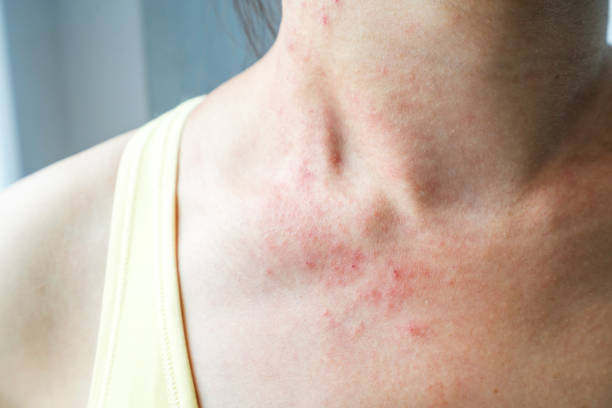
If you suffer skin sensitivity from sun exposure, the sun is not your problem: your liver, colon, lymphatic system and kidneys are your problem. They are not doing a good job, for whatever reason, detoxifying your body. It could be due to chronic constipation, gallstones in the gallbladder, lack of bile flow, unbound iron in the blood, metabolic wastes and dead cellular debris building up in the lymphatic system. It could also be chronic nutritional deficiency. It could be heavy metals such as aluminum, cadmium, mercury or lead. It could even be the very minerals and vitamins meant to nourish your body, acting as toxins. However, the cascade almost always starts with gallstones originating from the liver clogging up the gallbladder and obstructing bile-flow.

If you are not moving your bowels everyday, undigested food will rot, and toxins will build up. These undigested food releases putrefying toxins in the bloodstream, then the tissues and organs. If the body is unable to digest food protein, for example, it will store it as collagen fiber in the blood vessel walls. If it is unable to store as such, then this protein is converted into nitric-, sulfuric- and phosphoric- acids — similar to battery acid. Your body then becomes more acidic, creating an ideal environment for pathogens. If you have chronic constipation, you must increase your vitamin B1 level, until problem is resolved.

Many people with this condition will discover that they may have low vitamin D levels. If you do have a low vitamin D problem, what that really means is that you have a low magnesium and high calcium problem. Please read that again. The vitamin D in your body is actually keeping low on purpose to save you from calcium toxicity, and magnesium deficiency. Your body is inflamed internally. What you really need to do is increase your magnesium level. In fact, the root of depression is an imbalance between the calcium/magnesium ratio.

Okay, your skin is reacting to the sun, even though the sun is supposed to be a natural healer. The reason for your rashes is because your liver is no longer able to detoxify toxins efficiently, causing your blood and lymphatic system to become “polluted.” These pollutants/toxins then lodge in the basal wall membrane of your capillaries, depriving your skin of oxygen and nutrients.

Your skin essentially can’t “breathe” because of these toxins clogging it. Ideally, the sebaceous glands in your skin produces a fluid called sebum. This fluid nourishes the hair follicle and adds luster to the hair. It also serves as a natural anti-pathogenic agent for the skin. The lack of it will hasten dry, sensitive skin.

Here’s also what I would do in order of importance to help heal a sun sensitive skin — these may work for other skin conditions such as acne, psoriasis, etc:

  • Wild Siberian chaga
  •  Guduchi
    Add 1/4 teaspoon each of these in hot water… Or boil them for an hour or so. Sip hot in a thermos throughout the day. I personally do this three times per week. Discard the sediment that settles on the bottom. Wild Siberian chaga is better than any other type. Both guduchi and chaga heals the liver.
  • Manjistha: this herb WILL unclog any congestion in your entire lymphatic system. Red root is also another good herb for this. I use them often, when needed.
  • Magnesium glycinate/malate 400mg daily. These absorbable forms of magnesium will increase your vitamin D3 level EVEN if you stop supplementing on D3.
  • Grass-fed/grass-finished (organic) liver. This contains natural vitamin A, B12, choline, iron, folate, zinc, copper. Consume 4 to 6 ounces about once per week — even if you are vegan/vegetarian. You can also buy desiccated grass-finished liver online.
  • Atlantic oysters. These contain ideal levels of copper, zinc and selenium. Try this also once per week.
  • Organic bee pollen. This contains natural B vitamins and copper. Taste test on your tongue first to make sure you’re not allergic. Natural vitamin B is needed for so many things.
  • Natural vitamin C found either in amla or acerola. I consume these supplements almost everyday. They heal damaged, oxidized tissues.
  • Try to donate about 1 liter of blood once every six months to a year. You are iron toxic. Iron toxic means you have a lot of unbound iron, acting as a heavy metal or free radical, destroying your tissues. Unbound iron is not attached to hemoglobin, or anything, like it should be. Glaucoma is an iron toxicity problem. Unbound iron has an affinity for lodging itself in the liver, and destroying it, and causing skin problems.

In summary, to alleviate skin rash caused by sun exposure to the skin:

– Be sure to be moving your bowels daily ( Vitamin B1 helps)

– Try chaga/guduchi tea for its whole-body healing effect

– Try manjistha for your lymphatic system

– Try magnesium to reduce inflammation

– Eat grass-fed/finished liver once per week for its rich mineral content

– Eat oysters once per week

– Try organic bee pollen for its copper and B vitamin content

– Try natural vitamin C (amla/acerola) for wound healing and nourishment

– Donate blood once or twice per year.


Update:

I’ve recently discovered another herb that appears to possess protection against the effects of Sun-induced damage, specifically against Ultraviolet-induced damage to the skin, when taken orally. Skin damage was reduced from both UVA and UVB radiation. That herb is called polypodium leucotomos.

It is also said to be effective against some cases of psoriasis, while also boosting the immune system. 


High Blood Pressure, Clogged Arteries, Heart Disease: All One Disease


If you’ve had a non-congenital heart attack, that means one thing: you have gallstones in the gallbladder and intrahepatic stones in the liver, both hard and soft! The liver is the body’s physician; if this is clogged, then it causes a cascade of all other sorts of illnesses. Heart disease is a legendary manifestation of liver problems.

When the liver is clogged, it slows down on doing what it needs to do, like keeping the blood clean. When the blood becomes polluted because of a faulty liver not rejuvenating it, then the lymphatic system also becomes clogged. The lymphatic system is part of a defense mechanism of the body known as the immune system. The immune system keeps things that want to hurt the body at bay. The blood is like a faucet while the lymphatic system is like a drainage — when the drainage gets clogged, bad things happen. When the immune system becomes defenseless, toxins from food and the environment, oxidation creating free radicals, pH imbalance from a stressful internal environment, and bacteria and other pathogens who love stressful environments begin to invade the body internally. The liver should actually be considered a part of our immune system, therefore.

When the liver loses its functionality, the blood takes a hit, then the lymphatic system takes a hit, then the kidneys take a hit. Then the tissues and other organs take a hit. Then cholesterol and inflammation start forming. The undigested protein, along with rogue calcium start clogging vital organs and the arteries that supply them. Then arteries start stiffening. Then blood pressure starts rising. Then the heart becomes larger, trying desperately to keep up with a demanding situation. Then what we know as heart disease starts manifesting. The ultimate penalty to this cascading, stressful event is heart disease, then inevitably, a heart attack.

But it all started with what went into our mouths — the foods we ate — the foods that our liver didn’t like and found hard to process. Simultaneously, the stress of it all caused a naturally confident liver to become shy and timid, and lose its ability to express itself. The liver —  the largest organ internally — becomes weak and angry.

Most high blood pressure — 98 percent of it — are categorized as idiopathic, meaning medical science has no idea what’s causing it. Medical science is baffled by high blood pressure because they are only focused on the blood. Medical science is not looking at the entire picture — the cascading events leading up to hypertension.

Heart problems, such as palpitations, are liver, bile and gallbladder problems rather than directly heart problems! If you have heart problems, you have a broken washing-machine, and the dirty clothes are piling up! The broken washing machine is your liver filled with stones — intrahepatic stones. The pipeline to the washing machine is your gallbladder. It is clogged with stones and sludge too. The detergent that should be running in the washing machine is bile, but since it has become thick or clumpy, with cholesterol-backup and other toxins, it doesn’t flow anymore. The dirty clothes is your heart, which is being affected. In order to clean your clothes (the heart), you must first fix the broken washing machine (the liver) and the pipeline (the gallbladder).

What physicians are apparently not taught in Medical School is that it requires 11 oxygen molecules to make one cholesterol molecule. Now what is that mineral that carries oxygen? Iron. So when cholesterol is being oxidized, what that really means is that it’s being rusted by – a buildup of, you guessed it — IRON!

So, how to fix the washing machine breakdown?
Bitters! The liver loves bitters. If you fix the liver, you automatically fix the gallbladder. If you fix the gallbladder, you automatically fix the bile problem. Bile will start flowing again. We make a lot of bile each day, or at least, we should — up to 4 cup or more, per day!
So there is hope. There are ayurvedic herbs and other things that will fix liver problems and gallbladder problems and dissolve intrahepatic stones in the liver and gallstones in the gallbladder. Among the best are:
1. Kutki: very good at healing most liver problems.

2. Guduchi: very good for the liver, spleen, pancreas and blood — full of macro and micro nutrients. Good to add it with ginger. 

3. TUDCA: which is a water soluble bile acid, will dilute thick bile in the liver and gallbladder, making it flow more efficiently.
Specifically pertaining to the heart and for relief of chest pain, you must watch what you eat — being sure to favor leafy greens and stems and root vegetables. Leafy greens are healing because they were once out in the sun, absorbing its nutrients and life. In addition to changing your diet, drinking adequate spring water or pure coconut water to hydrate your cells and avoiding stress are practical things to improve liver function. There are also specific herbs and supplements that will speed up the recovery of high blood pressure, clogged arteries, chest pain, atrial fibrillation and general heart disease. Among the best are:

1. Arjuna: Above all — this ayurvedic herb has become my number one go-to for heart conditions. I’ve suffered chronic chest pain for over 20 years, and arjuna is most effective and long lasting at resolving that issue for me.
Arjuna works by improving the left ventricle function of the heart. The left ventricle is that chamber of the heart responsible for “pumping” oxygenated blood back into the rest of the body.

2. Hawthorn flower/leaf/berry:

(The flower is the most effective part that heals the heart.) This herb also subsides chest pain, enhancing heart muscle contractility and improving blood flow to the heart. Not all hawthorn sold on the market are effective — you must be sure to obtain quality brands. Hawthorn Supreme from Gaia Herbs is a good brand.

3. Ubiquinol: This is the absorbable form of Co Q10. Your body converts Co Q10 (otherwise known as ubiquinone) into ubiquinol. Uniqunol energizes the cells of the heart’s many mitochondrias. Take100 mg per day.

4. Dan Shen: This herb — also known as Salvia miltiorrhiza  — is found in traditional Chinese medicine — it actually dissolves blood clots, and reduces arterial plaque. (Do not take this herb if you are on any anticoagulation medication, as it may exacerbate the anticoagulation effects and lead to excess bleeding!)

5. Grapefruit inner of peel/Mesocarp/Albedo (must be organic) or grapefruit pectin. Good for lowering oxidized cholesterol, and keeping the arteries clean, grapefruit  pectin can also be purchased in supplement form, but tends to be adulterated because of the expense in making pure pectin. Pectasol-C seems to be a good choice though. (Avoid mixing anything grapefruit with prescription drugs, since it inappropriately magnifies the effects of these drugs!)

6. Pure pomegranate juice is said to lower high blood pressure in about two weeks. Organic pomegranate peel may be even more effective for heart conditions. Powerful polyphenol compounds called ellagitannins, punicalagins and anthocyanins may reduce inflammation throughout the body. These and other polyphenolic compounds may reduce blood pressure, plaque buildup and chest pain.

7.  Vitamin K2 (MK-7) in the trans form. Vitamin K2 is very different in function from Vitamin K1. Vitamin K1 is involved in blood clotting, while K2 is involved in removing calcium from all the wrong places of the tissues and arteries, and putting it in all the right places, such as bones and teeth. Calcium acts as a cement in the body, hardening at whatever site it lay. Too much of it in the arteries will harden, stiffen and clog them, setting the stage for heart disease. But K2 keeps it away from all these soft, sensitivity places; and puts it where it belongs.

There are many versions of K2. It is important that you get it in the more absorbable and longer lasting form of MK-7, which is found in natto — a Japanese fermented soybean product.

8. Food-base vitamin E: Vitamin E keeps the blood vessels nourished, thus helping to prevent both oxidation or new clot formation. Vitamin E also supports the muscular system of the body, including the heart — which is some 95% muscle. But be sure to supplement on only food based vitamin E, found notably in such foods as asparagus and — in moderation — organic sunflower seeds. Supplement-wise, Selenium E by Food Research contains adequate amounts of vitamin E made from real food.

9.  Magnesium Taurate: The left atrium of the heart is concentrated with magnesium more so than any other part of the human body. That is the part of the heart that prepares oxygenated blood to be “pumped” back into the rest of the body!

Magnesium works slowly in rebuilding a damaged heart. Don’t expect to see a relief of chest pain after taking magnesium for 2 days. We lose magnesium slowly, daily and yearly. Though it is critically important to every cellular process in the body, and life is useless without it, and the body needs lots of it, it may take years of continuous supplementing to help heal a defected heart.

A small amount of vitamin B6 in the form of P5P and/or coconut oil greatly enhances the absorption of magnesium into the cells! Super Magnesium Taurate from Green Organic is an excellent choice.

10.  Boluoke: This patented product is a naturally sourced lumbrokinase enzyme(s) made from real earthworms — good at dissolving clots and fibrins, thereby increasing blood circulation and oxygen to tissues. It may also reduce chest pain quickly. I put this last on the list of 10 because, it is expensive. To work, this product must be taken on an empty stomach,  away from food.


And there is that hardly ever noticed, but inextricable relationship between heart disease and lung disorder. This is because just as blood flows through the circulatory system of the heart, it also must flow through the pulmonary system, which is the lungs. That is why slow, deep breathing can lower blood pressure in minutes!

One technique to strengthen the heart is to sleep at night with your face covered in blanket, or sheet. Doing this will make you inhale more of your own carbon dioxide, slowing down your breathing. While oxygen is good for you during the day — speeding up your breathing, carbon dioxide, though acid forming, is good for relaxing you at night! It slows your breathing, improves lung function and heals your liver.

There are also herbs to better optimize lung function, such as mullein, African geranium, rosemary, astragalus and guduchi.


The longer you wait to resolve health issues of the heart naturally, the longer it will take to fix even after you decide to do all these right things. So if you have a heart condition, treat it as an emergency, and deal with it with deliberate priority. And the sooner you will begin the healing process before it becomes too late.  These supplements and procedures I’ve listed will help set you on the right road.


Other things that may help with heart and circulatory conditions are:


Tuberculosis (TB): What it is, and what to do about it.


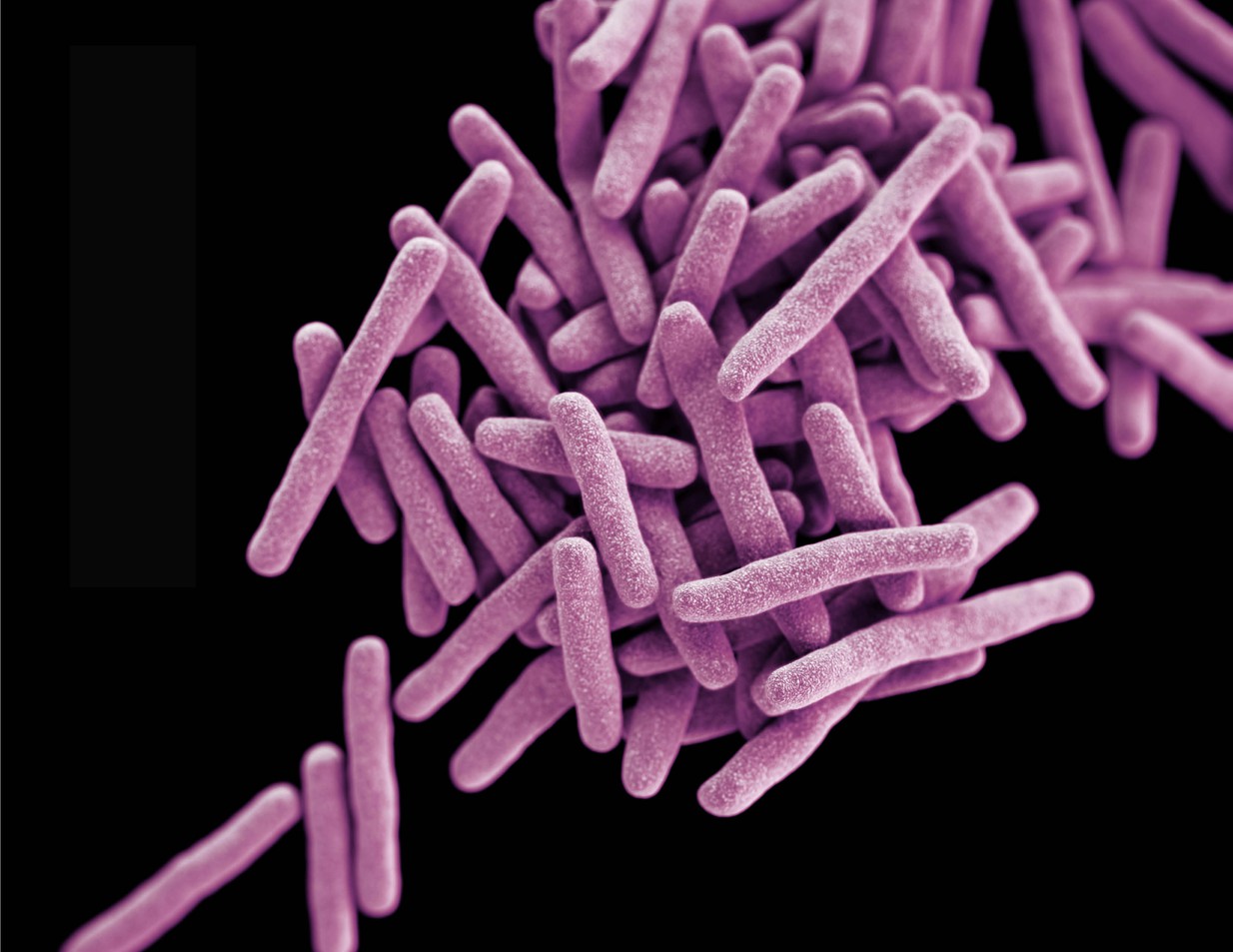
Tuberculosis a.k.a. TB is an infectious and potentially fatal disease caused primarily by what science has identified as a bacterium —Mycobacterium tuberculosis. It is named so because it is aerobic and creates tubercles in the nodules of the lungs, especially the upper oxygen-rich lobes of said organ. The most common form — pulmonary tuberculosis — is caused by inhaling said bacteria in the air from any source already infected. The bacteria can spread to other parts of the body via the lymphatic system. Historically, tuberculosis was catastrophic before the rise in vaccination, medication and milk pasteurization. There has been a resurgence due to modern issues, such as HIV, organ transplant and diabetes. Here, at BIOinvigoRATE, we will discuss what tuberculosis is and what we should do to prevent and reverse the disease.

There are two notable stages of TB: latent TB and active TB disease. Many people with latent TB show no signs of sickness, and may not infect others, and may not — themselves — even be aware they may be infected with the bacterium! That scenario may go on for decades, or for life. Those with active TB disease however, will show the classical signs: persistent coughs (with blood) that lasts for weeks, night sweats, chest pain, weakness and fatigue, chills, lack of appetite, weight loss and so on. In fact, TB was once called consumption because of its weight loss and wasting away characteristics of those who contracted it.

Tuberculosis is easy to catch as it may be, for some people, hard to avoid. Avoiding those who talk a lot or open their mouths a lot would be a good rule of thumb to abide by in avoiding this disease. Avoiding those that spit, sneeze, shout, sing and speak out loud would be the sure precaution that would prevent infection from this disease. There is another little known form of TB bacteria — Mycobacterium bovis — that is spread by the substance of infected cattle. We must therefore avoid unpasteurized milk and cheese products of which the source of origin is unknown.

When our body is infected with bacteria, the immune system sends its first line of defense — macrophages — large white blood cells that engulf the bacteria. However, TB bacteria works differently than other bacteria and is made up of different complex, waxy surface material than other bacteria, making it difficult for our immune cells to disrupt them. Additionally, TB bacteria will then turn the table by changing the structure and chemistry of these macrophages and using them as a source of energy, resource, duplication and transportation. This is one of the biggest mysteries of active TB bacteria and why it has become so drug resistant!

The big questions that arise from the behavioral pattern of active TB are: How does the TB bacteria know to use our own immune cells for its benefit? Why does the TB bacteria want to use our immune cells for its benefit. And who taught TB bacteria everything it knows to use our immune cells for its benefit? It is from these questions why getting rid of TB infection takes so many months, uses so many medications, involves so many research, costs so much money, and has taken so many lives!

Tuberculosis is notoriously associated with low vitamin D, which then causes many medical practitioners to recommend vitamin D supplements to their patients. But, as an example, a lot of people who get sick during the winter months do not get sick primarily because they have low vitamin D levels — but because their immune system is compromised! Low vitamin D is only an indication of a compromised immune system. Yes, patients may feel better replacing D3 synthetically, but that doesn’t fix the problem.
TB is not a low vitamin D problem. It is an iron toxicity and acidity problem in the lungs and surrounding area, causing bacterial infection/infestation! Taking high doses of D3 supplement will cover the problem — then make it worse!

The vitamin D from the sun is different from the vitamin D3 in supplements. True sunlight — the UV-B rays and others — has a strong impact in healing many diseases, including TB. In contrast, supplementing 20,000 IU of D3  (even with K2-MK7) will make you feel better, while simultaneously making your health worse. While supplemental D3 is increasing your D3 level, it is also DEPLETING your magnesium level, your vitamin A level, your copper level and your zinc level — the very things that are MOST needed with TB infection! If you are infected with the tuberculosis bacteria, then take off your outer clothes and sunbathe in the sun!

Also consider D3 supplements, but from real food source, like lichens; rather than the cholecalciferol made from sheep-wool wax, and that is used in rat poison! Irradiated mushrooms may also be a choice to consider. So would a vitamin D lamp.

There are also many herbs that may show promise in building back up the immune system of someone with TB and in eradicating its bacteria! Pelargonium sidoides, a.k.a. African geranium — my first choice — should be one to seriously consider. Other immune system building herbs are guduchi, andrographis, astragalus, pau d’arco, mullein, elderberry, olive leaf extract and eclipta alba. All of the aforementioned herbs have two things in common: they destroy bacteria and reduce inflammation. They also restore lung vitality. They are also loaded with immune support nutrients. Still other herbs that may be helpful are: rosemary, manjistha, Jamaican sarsaparilla and burdock root. Often, finding the right combination of herbs can do wonders in obliterating TB or any other stubborn disease!

Cancer: Learn How to Beat It!


Cancer, also called malignancy, is a disease in which normal cells turn into defected cells — dividing rapidly and steadily, and in the process, destroying body tissue. Cancer is really a metabolic dysregulation, more specifically, a cellular mitochondrial dysfunction, caused from lack of certain nutrients, an increase in toxins, and thus a massive reduction in energy output. There are over 100 known types of cancers, depending on their  location. Here, I will discuss how cancer is formed and the things we need to do to prevent such.

A cell becomes cancerous when its oxygen requirement is reduced by around 35 percent (or more). Causes for this loss of oxygen is proposed to be an imbalance of mineral ratio in the cells, an imbalance of hormonal ratio surrounding the cells, and especially high levels of unbound iron (cancer cells have up to 15 times more [free] iron receptors than normal cells), and other heavy metals hijacking the cell. Such other heavy metals include cadmium, arsenic and mercury. These all contribute to a reduction of cellular metabolism and ATP.

Cancer cells’ ATP is significantly reduced compared to normal cells. For example, a normal cell may produce up to 36 ATP with a single molecule of glucose, while a cancer cell output may only be 2 ATP through anaerobic glycolysis. There lies the mystery why cancer cells must duplicate so rapidly: to increase ATP totality from some form of glycolysis!

Moreover, a cancer cell can be compared to a gluttonous or desperate thief — it uses just about anything to survive or thrive: anaerobic glycolysis, aerobic glycolysis, fermentation, glucose, glutamine, iron, cadmium, lactate, omega-3 and omega-6 fatty acids, and more.

Our immune system normally keeps cancer cells in check, even those in the millions and hundreds of millions. But when these cells proliferate into two or three billion at a given site, a tumor is forming, and the immune system’s ability to fight or keep them under control becomes compromised.

The environment around cancer cells become very acidic, causing inflammation to the affected, surrounding tissues and organs. It is said that the cancer cells themselves are not particularly acidic — but create an acidic environment by their activities. Depending upon what part of the body we’re talking about, a (cancer) tumor can grow in an acidic environment, while another may for various reasons prefer an alkaline environment.

Contrary to popular belief, the viruses, bacteria or fungi found in cancer cells are not the cause of the cancer. They merely occupy these cells because the condition of the cells allow them to flourish. These same pathogens if placed in the cells of someone with healthy, non-cancerous cells, will not survive. These pathogens do not cause cancer, but are attracted to the cancer. In fact, many of these pathogens may serve as a beneficiary to the victim of the cancer cells, keeping these cells restrained and less lethal. These pathogens when destroyed by natural antibiotics also causes the cancer cells to spontaneously destroy along with them.

The onset of the formation of cancer cells and their proliferation always begins with stress — including metabolic, physical, and especially emotional or mental stress. Stress changes the environment and pH of the cells from alkaline to acidic or from acidic to alkaline. Reducing all types of stresses also reduces the formation of all types of cancers. Reducing stress also reverses the proliferation of cancer cells. But maintaining stress can bring back cancer cells that were already eradicated. In other words, even if one gets rid of cancer, he or she could still have a reoccurrence because of not eradicating the mental stress that helped cause it in the first place.

Conventional methods used to treat cancer in allopathic medicine do more harm than good in reversing cancer cell proliferation. For example, an oncologist will tell their patients that they need to reduce the fever that was initiated by cancer. But a fever caused by cancer is a purposeful healing process jumpstarted by the immune system to burn up that cancer. Oncologists also use resources such as radiation and chemotherapy in an effort to avert the proliferation of cancer cells. But both of these methods are foreign and poisonous not only to cancer cells, but to healthy cells as well.

There are many recommendations for cancer that proponents swear by, including such controversial things as mistletoe and cannabis oil. On these, I will not focus on. But here, I will list for you a host of herbs and supplements and vitamins I feel comfortable recommending in the fight against cancer.

1. Chaparral (dried): This is one of the best, if not the best herb, to fight cancer. It boosts the immune system, increasing absorption of vitamin C in the adrenal glands and thymus. It also destroys cancer loving pathogens: it’s antiviral, antibacterial and antifungal. Indeed, it also blocks cancer cells from dividing.

2. Turmeric with coconut oil: 1/4 teaspoon. This is perhaps the second best herb for cancer! It is anti-inflammatory. Turmeric reinvigorates apoptosis in cancer cells — a process where cancer cells self-destruct, leaving normal cells intact.

3. Pau d’arco tea: This is perhaps the third best. It enhances the antioxidant effects of chaparral. It also destroys cancer-loving pathogens. (Pau d’arco should however be sourced only from the inner bark of the tree of origin.)

4. Amla: This herb containing natural and stable vitamin C will burst cancer cells that have already formed. It is one of the best herb-berry both in preventing and fighting cancer.

5. Red clover blossom: This will balance your hormones. Many cancers, such as breast and prostate, are initiated by hormonal imbalances. Should be used sparingly.

6. Guduchi: This will unclog your liver and gallbladder of gallstones. It also boosts the immune system. It cleanses the blood, preventing it from becoming too acidic.

7. Siberian chaga tea: This will help protect the mitochondria of your cells from cancer cells. Containing many important minerals, like magnesium and copper, needed to fight cancer, this fungus also boosts the cancer destroying antioxidant superoxide dismutase (SOD), destroying cancer cells, and turning superoxide back into water. Most impressive, chaga from white birch trees contain betulinic acid — which has shown great promise in inhibiting cancer cell growth.

8. Organic sea kelp: This will provide you with needed iodine (150 -250 mcg). Everyone with cancer is deficient of this trace mineral on a cellular level.

9. Vitamin D from sun exposure: Everyone who has cancer is deficient of this vitamin. As probably the most powerful hormone in the body, “vitamin D” helps to regulate the immune system and prevent tumors from forming. So consider going shirtless at least three days per week in the sun to obtain the full spectrum of healing. Irradiated mushrooms and lichens are also natural sources of vitamin D.

10. Vitamin K2 mk-7: If you take D3, you must balance it with K2 mk-7 (30 mcg). K2 should always be in its natural all-trans form, found, for example, in natto — a Japanese fermented soybean product.

11. Natural sources of B vitamins, such as Bee pollen or RNA/DNA supplementation: These will help protect your own body’s DNA, as well as help maintain mitochondrial energy.

12. Andrographis: This herb may have an anti-proliferative effect on and destroy pathogens that feed on cancer cells.

13. Olive leaf extract: This will destroy pathogens that feed cancer cells. (Beware of the Herxheimer-reaction, that may last for about one week.)

14. Coenzyme Q10 (CoQ10)/ Ubiquinol: This quinol antioxidant is found in every normal cell and is needed to liven the cell, reinvigorating its mitochondria to produce adenosine triphosphate (ATP). Cancer cells’ aerobic mitochondrial ATP is greatly reduced — though both healthy cells and malignant cells CAN rely on anaerobic glycolysis for energy, cancer cells ALSO rely heavily on the fermentation of glucose rather than the normal process of aerobic glycolysis, or its backup, anaerobic glycolysis.

15. Soursop leaf/Graviola leaf (extract): well known for supporting the body in possibly preventing cellular mutation and metastasis, especially through compounds like acetogenins. Soursop leaf has also been praised for its traditional antiviral, antibacterial, and antiparasitic qualities. For short-term use only — long-term use of graviola might lead to nerve changes, movement disorders similar to Parkinson’s disease, and potentially damage the kidneys and liver.

16. Bentonite clay: You only need perform this two or three times per month, on an empty stomach, away from food, to bind and flush out heavy metals and toxins. Great Plains bentonite is a “great” liquid brand to consider!

Now, these are the foods to eat:

1. Carrot/carrot juice: The beta carotene in the carrot will park in your cell, and the cancer cells will attack that instead of your own body. You can blend it if you like. Retain the fiber.

2. Blueberries/Bilberries: These will protect your cell’s DNA. Bilberries also contain a phytonutrient called anthocyanin, which acts as a free radical scavenger, believed to target cancer cells.

3. Broccoli sprouts: (not Brussels sprouts!) These are one of the best cruciferous vegetables to fight any cancer. Broccoli sprouts contain powerful compounds to fight many cancers, like breast, prostate and urinary cancers. Sulforaphane is one of the main compounds currently being touted by science as having an affect against these cancers.

You can easily grow your own broccoli sprouts at home by purchasing certified organic broccoli seeds. Sprouting takes between three (3) to five (5) days.

Be careful about consuming too much broccoli sprouts,  or any cruciferous vegetables,  as they can deplete iodine from your body.

4. Red cabbage: This cabbage contains lots of interesting properties to fight cancer. Like bilberries, it contains anthocyanins, to help fight cancer-generating free radical.  Additionally,  this cabbage is full of beta carotene,  vitamin C and bioavailable iron — all things needed to fight cancer.

5. Cucumber: Minerals and phytonutrients in cucumbers have been tested to be ideal in fighting cancer cells, particularly of (the hard to fight) pancreatic cancer cells. These phytonutrients include dozens of phenolic compounds,  carotenoids and the well studied cucurbitacin compound. The peel and seeds are the most nutrient-dense parts of the cucumber.

6. Organic kale: Compounds such as carotenoids and glucosinolates may help destroy many cancer cells in the body.  Additionally,  kale is abundant in vitamin C and K — vitamins essential in fighting cancer. Kale is also anti-estrogenic, which also helps fight certain cancers.

Be sure to only consume organic kale, as farming practice used to treat kale may actually be cancer causing.

Also be aware that too much kale may deplete iodine levels in some people.

Also be aware that excess kale consumption may cause bloating and create dysbiosis in the gastrointestinal tract. Cooking kale will help mitigate this.

7. Cooked tomato: contains a carotenoid called lycopene, which may have cancer and tumor suppressor abilities.

8. Mangosteen: hard to find, yet contains a unique class of antioxidant compounds known as xanthones, which may help fight cancer. Consuming excess amounts may lead to internal bleeding.

9. Bok choy: a cruciferous vegetable that contains phytonutrients — like the sulphur containing compounds glucosinolates, which convert to isothiocyanates — that may reduce cancer risk even if consumed just once per week. May be goitrogenic if consumed in excess, uncooked amounts.

10. Watercress: compounds called glucosinolates which convert to isothiocyanates may help protect against cancer.

11. Papaya: high in vitamin C and carotenoids,  like beta-cryptoxanthin and especially, lycopene, which may demonstrate anticancer activities.

12: Parsley: compounds called myricetin and apigenin may help prevent cancer proliferation.

13. Arugula: an unusual, peppery tasting, cruciferous vegetable, containing exceptional antioxidants such as erucin and glucosinolates that are believed not only to be potent cancer fighters and cancer destroyers

14. Black beans: contains antioxidants such as polyphenols and flavonoids, including anthocyanins, that may contain cancer fighting properties.

15. Natto: a fermented soybean product high in both vitamin K1 and K2. High also in manganese, iron, copper, fiber, probiotics and a unique powerful enzyme called nattokinase, which may dissolve blood clots. Thins the blood due to its ability to break down fibrin — the protein that forms during blood clotting. May help fight heart disease and certain cancers. Has an acquired taste, pungent odor. Caution if on anticoagulants, as it thins the blood.

These are the foods to limit:
Limit muscle meat
Limit fish


Avoid fried foods
Avoid chicken
Avoid eggs
Avoid milk
Avoid cheese and other dairy
Avoid all nuts
Avoid seeds, including chia- and flax seeds.
Avoid soy and tofu.
Avoid hemp
Avoid avocados
Avoid sugar alcohols
Avoid artificial honey
Avoid cauliflower. It robs your body of minerals.

•          •          •          •          •          •          •

Now, there are amazing other ways to fight cancer. I want you to research this: Ozone therapy. Ozone stimulates all the natural anti-cancer immune reactions in the body and directly is able to make cancer cells burst, killing them through the creation of lipid peroxides at the cancer cell membrane. Research the: Cold Corona Ozone generator.

Crohn’s disease: A Disease Caused by Trauma!


If you are reading this, you may already know that Crohn’s disease is a devastating type of Inflammatory Bowel Disease (IBD), indiscriminately causing chronic inflammatory digestive problems along the gastrointestinal tract. I have experimented with numerous natural supplements —not specifically for Crohn’s — but for similar ailments, to finally seeing very satisfactory end-results. Here I will discuss these various supplements and natural healing methods, including ayurvedic herbs that have been used to heal many digestive tract ailments, — including Crohn’s — throughout the centuries, and for me personally as a beneficiary.

The complete digestive tract shares direct relationship with the brain and the way we think. Often, people with Crohn’s disease and ulcerative colitis have had a major traumatic experience or many traumatic experiences throughout their lives. These folks often live a life of severe depression. Just as depression stagnates the mind, it also stagnates the digestive tract. In the case of Crohn’s, the cecum, the beginning part of the large intestine that connects from the small intestine is often compromised with undigested food and bacteria, causing an inflammatory response. This inflammatory response radiates throughout the digestive tract, sporadically. Even worse, this inflammatory response will affect the entire thickness of the intestinal tract where it lays.

People with this disease often suffer from large amounts of intraheptic stones in the liver and extrahepatic stones in the gallbladder.  This thus causes a lack of bile availability to the gallbladder. This lack of bile then compromises the digestion of food — especially fats — in the small intestine and a lack of lubrication to the wall of the large intestine.

To start the healing process of Crohn’s disease, you must increase the proper formation of bile in the liver. This is done by consuming both sour and bitter foods. You may also increase the flow of bile by performing a series of coffee enemas.

Now I recommend a series of procedures,  starting with:

1. Dragon’s Blood tincture: A traditional Chinese medicine, this tree sap has had promising results alleviating many stomach issues, including Crohn’s and Ulcerative colitis.


2. DGL (Deglycyrrhizinated Licorice): chewed 15 minutes before each meal. DGL soothes and promotes mucosal coating for the stomach and intestinal tract. You will feel the soothing effect quickly.

3. Zinc has been tested and found to strengthen the gut lining in patients with Crohn’s disease. But most zinc supplements are not the right kind and are quite dangerous when taken in supplement form. If you decide to use zinc, it must only come from real food, and not synthetically (avoid zinc oxide and zinc picolinate, for example). A company called Naturelo sells Vegan Zinc stated to be made from real food, and another company called Nutrigold sells Zinc Gold — both made from real food!

4. Guduchi/Ginger/Turmeric combination:

Guduchi is an ayurvedic herb that helps fix many liver problems and causes bile to develop properly in the liver and flow properly from the gallbladder into the common bile duct, hence lubricating the intestinal tract for proper digestion of food.

Adding ginger enhances guduchi’s effectiveness also, particularly when it comes to healing Crohn’s disease.

Adding turmeric mixed with coconut oil may prove triple effective with guduchi and ginger. So, it’s a pinch of guduchi, ginger and turmeric mixed with coconut oil — this blend is a winner!

5. Wild chaga tea: there are compounds, minerals and vitamins in the chaga conk that will soothe the intestinal tract over time. For instance, magnesium reduces inflammation throughout the body; so does copper. The chaga conk contains all these, and much more. This conk works on a microscopic level, healing and reinvigorating the inner networks of a cell, including the cell’s energy house — its  mitochondria.

6. Olive leaf extract: This acts as a NATURAL antibiotic, killing some forms of bad bacteria, viruses, funguses such as mold and yeast, and parasites. Unlike synthetic drugs such as penicillin, pathogens WILL NOT/ CAN NOT build up a resistance to this herb. (There will be the Herxheimer-reaction for a short period of time while using this herb.)

7. Sunlight: most people with Crohn’s disease are low on vitamin D and a dysfunctioning of the hormone serotonin.
15 minutes of sun for light -skinned people and 25 minutes for darker skinned people, at least four (4) days per week, will provide about 10,000 IU’s of vitamin D per day. A lack of vitamin D can cause colon cancer and other cancers. (If you opt to take Vitamin D3 via supplements, make sure to take it with a whole-food multivitamin containing natural vitamins A, E, and vitamin K2 mk-7 to prevent kidney stones and arterial calcification.)
Serotonin, considered both a neurotransmitter and a hormone produced inside the body, is found mostly in the digestive system (95%) — and the brain (5%). Serotonin is said to improve mood and decreases symptoms of depression. However, it has actually been observed that too much (or a dysfunctioning of) serotonin causes more depression than low serotonin. My theory is this: Sunlight is a mega instigator/producer of serotonin. Darkness turns the serotonin into melatonin at night. If you are not sleeping at the right hours and for the right length of time, this old serotonin builds up and gets recycled and becomes toxic, since it was not timely converted to melatonin like it should have. If my theory is correct, it will not be unusual that low serotonin level will seem beneficial for some, while also causing problems for others, like depression and digestive issues. The problem is not with serotonin itself, but an interference of the process of serotonin being converted/synthesized  into melatonin at the appropriate time.

8. Leaves, stems and roots: compounds in dark leafy greens (and otherwise) such as cooked watercress, bok choy, yu choy, asparagus, red cabbage, parsley, daikon radish and kohlrabi will help alleviate the symptoms and causes of Crohn’s disease, over time.

As a bonus: I’ve heard Ayurveda tout the fruit bottle gourd — calabash — as a reliever of IBD symptoms, which may also improve symptoms  of Crohn’s disease.

9. Sour and bitter foods: Granny Smith apples and bitter melon will surely help stimulate the flow of bile, for example. This will in turn help to decrease the need for inflammation throughout the digestive tract caused by Crohn’s disease.

10. Refraining/avoiding: Avoid certain foods and products that may cause or increase inflammation. Avoid packaged foods, frozen foods, microwave foods, peanut products, nut butter, tomato or tomato sauce or any commercial sauce, eggs, garlic, onions, black pepper, cow’s milk and cheese, unripened banana, alcohol or any other product that may cause flare ups.  Focus on eating clean, fresh, organic foods.

11. Coffee enemas: Consider a series of coffee enemas — using organic,  medium roast coffee beans.  This may help stimulate bile production in the liver, and thus bile flow to the gallbladder. This procedure can be performed — occasionally — once or twice per week, sometimes more.

As a bonus, supplementing on a bile acid product called TUDCA during this time may enhance the production of bile flow.

12. Digestible oils: Certain oils may speed up the healing of Crohn’s disease, while others may aggravate the condition.  For example,  most people may find comfort in substituting coconut oil above all other oils,  being that coconut oil does not need bile to be properly digested and absorbed in the gastrointestinal tract. Pure, cold-pressed extra virgin olive oil may work as well. So will butter.

On the contrary,  certain other oils,  even those with omega 3 fatty acids, may not be suitable for someone with Crohn’s.  Avoid canola, soy, corn, safflower or any other “vegetable” oils, for example, which are almost always used in fastfood and other restaurants. Avoid ghee as well — very inflammatory, creating damaging end-products that are not suitable for proper digestion. Avoid margarine, butter-substitutes (imitation) and trans fats as well.

As a bonus,  I’ve heard eating an orange or drinking fresh lemon juice on an empty stomach in the mornings may help reverse some of the damages caused by unhealthy oils!

13. Shatavari: can be taken 2 hours before a meal or 2 hours after. Shatavari acts as peristalsis that pushes the entire intestinal tract, to prevent stagnation of undigested food and toxins.

Shatavari, used excessively, may increase estrogen levels in the body over time. So I recommend taking this herb only short-term, between two (2) to four (4) weeks, at a time.

***

For me personally, the combination of guduchi-ginger and chaga as a tea resolved many of my digestive ailments the way no other supplement has in the last 30 years of me trying, having failed to find something other that worked. Also DGL had a great impact in preventing me from having food allergies. However, the combination of all these recommendations, I believe, will set the path in alleviating most of the symptoms associated with Crohn’s, in my humble opinion.

Update:

I have updated this article significantly  as I learn more. If you are suffering from this disease, or whatever it is, you will most likely have to deal with bacterial overgrowth and fungal overgrowth (SIBO, SIFO, for example) as well. So consider this reality in conjunction with tackling Crohn’s disease.

Overcoming Hypothyroidism & Hashimoto’s


Hypothyroidism is an under-active thyroid condition, resulting in the thyroid gland not producing or converting enough thyroid hormones. This results in familiar and characteristic symptoms, often striking older women. The condition is said to be autoimmune if it is not resolved by iodine or selenium or any other mineral sufficiency, or if these mineral-increase causes swelling and further irritation on the thyroid. The supposed autoimmune condition of hypothyroidism is known as Hashimoto’s thyroiditis. Most hypothyroidism is elevated to the level of Hashimoto’s (9:1). Here we will discuss what is  believed to be the true cause of this and that condition, and the protocol needed to correct it, including supporting the liver, kidneys, lymphatic  system and adrenal glands,  while also supplementing on critical nutrients that had consequently been depleted.

We have hypothyroidism and/or Hashimoto’s also because we are internally inflamed and clogged with undigested protein in the vessel walls of our capillaries. Our lymphatic system becomes clogged by this build up of excess proteins — polluting the blood and affecting the sensitive thyroid. An ayurvedic herb however called manjistha will help unclog it — thus assisting and allowing proper thyroid function again. This is truly great news!


When antibodies attack the thyroid, then hypothyroidism is now officially called an autoimmune disease — Hashimoto’s.  Hashimoto’s indeed should not be labeled as an auto-immune disorder, as is widely accepted — but more accurately as an adrenal dysfunction. The thyroid makes only two TRUE hormones, while the adrenals make at least 50. The adrenal glands are in control of the immune system. If there is something wrong with your immune system, then there is something wrong with your adrenal glands. The adrenal glands consist not only of the two things on top of your kidneys — it consists of your entire skin structure. Your skin cells ARE your adrenals!

If you have developed hypothyroidism or Hashimoto’s, you surely are low on vitamin A, a.k.a. retinol. This is a vitamin that is adequately stored in a proper functioning liver,  and acts as a hormone. Thus a vitamin A deficiency may indicate liver dysfunction. This vitamin A is carried by a transport protein called transthyretin (TTR). This protein also carries T4 — the near inactive hormone made by the thyroid — a.k.a. thyroxine. If there is no vitamin A (retinol), then there may be also low or no proper T4 transportation, either from TTR damage or nutrient deficiency. Then there may be no bio-available conversion of T4 to the very active T3! To improve bio-available retinol in the blood, we need it from our diet. Grass-fed butter and grass-fed/grass-finished liver will actualize this process. So will a fruit like persimmon. Carrot(s) because of its beta carotene content, which converts to a smaller percentage of retinol in the body, is another option. So will sweet potato, and malabar, a.k.a. saan choy (an oriental leafy green). Our adrenals also love retinol.

And what else does our adrenals like? Natural vitamin C — lots of it. Natural vitamin C also has a transport protein, called tyrosinase, which carries numerous molecules of bio-available copper. If you want to feed your adrenals, then give them amla or acerola berry: all sources of natural vitamin C.

Another best thing that our adrenals like is the natural B vitamins. Bee pollen contains all the natural B vitamins your adrenals need, especial vitamin B5, which your adrenals really love. (Taste-test to make sure you’re not allergic to it though.) Bee pollen also contains bio-available copper.

Contrary to popular belief, we do not need as much vitamin D as you may think. 60-80 ng/ml of vitamin D is actually too much. Too much vitamin D creates massive amounts of hydrogen peroxide. Though hydrogen peroxide is a free radical that is needed to a certain degree, too much of it will damage your cells. A vitamin D level of 32 to 45 nanograms per milliliter is actually ideal

In dealing with inflammation, the internal body loses one mineral faster than any other — even by something as simple as stress — yet that mineral is arguably the most important: that mineral is called magnesium. When magnesium leaves, it takes other minerals like potassium and copper with it. Magnesium is like the glue that keeps all the other minerals in place and together. A loss of magnesium will eventually create an inferno of inflammation throughout the body. Not only do you need to replace magnesium daily — it must also be absorbable. If magnesium oxide or magnesium carbonate comes to mind when you think about replacing magnesium, you are sadly mistaken. The absorption rate of these forms of magnesium is pathetically low: 4% or less. Consider instead magnesium glycinate/malate/taurate/citrate.

Vitamin B6, in the form of P5P, further increases magnesium absorption throughout the body on a cellular level. So does healthier salts, namely, Kosher salt (Diamond crystal) or Pickling salt.

If there is inflammation anywhere in the body, there is almost always an ample supply of iron — but not just any iron: destructive, unbound iron, rusting the targeted tissue area. If iron is not attached to hemoglobin or whatever else it should be attached to, it roams freely, causing chaos and inflammation. The thyroid appears to be one of unbound iron’s favorite target. To reduce hypothyroidism\Hashimoto’s, a protocol to reduce this form of iron must be implemented. Consuming the vitamins and other supplements previously mentioned, in their natural form, would be a way to turn unbound iron back into useful iron, your body can absorb properly. Another way is to take IP-6 on an empty stomach, away from food and other supplements. IP-6 is known to chelate iron, along with zinc and calcium out of the body. So naturally, you would want to consume foods with more zinc and calcium during this process.

If you have the condition listed in this article, you may consider stop taking medications, and consider the natural route. Medication has a tendency to make things feel better temporarily, while making thing worse permanently. As a start, consider:

  • A quality brand iodine supplement, like Icelandic Sea Kelp, or a natural selenium supplement like Food Research Selenium E, and note if the condition was caused by any of these popular mineral deficiencies. Otherwise, add:

Healing herbs:

  • Kutki, guduchi and/or burdock root for the liver
  • Astragalus and dandelion root for the kidneys
  • Manjistha for the lymphatic system

Nutritional Support:

  • Grassfed butter/liver: (liver should be no more than one ounce per day, or 7 ounces per week.)
  • Persimmons, carrots (not too much though), sweet potato (not too much though), malabar a.k.a. saan choy (not too much though): all of these contain high beta carotene which can convert to retinol.
  • Natural vitamin C (amla, acerola berry)
  • Bee pollen
  • Magnesium (glycinate, malate, citrate, taurate)
  • P5P

Reducing Excess, Unbound Iron:

  • IP-6 on an empty stomach

(Note: IP-6 depletes certain other minerals, like zinc. So be sure to increase sources of this and other minerals and vitamins.)